


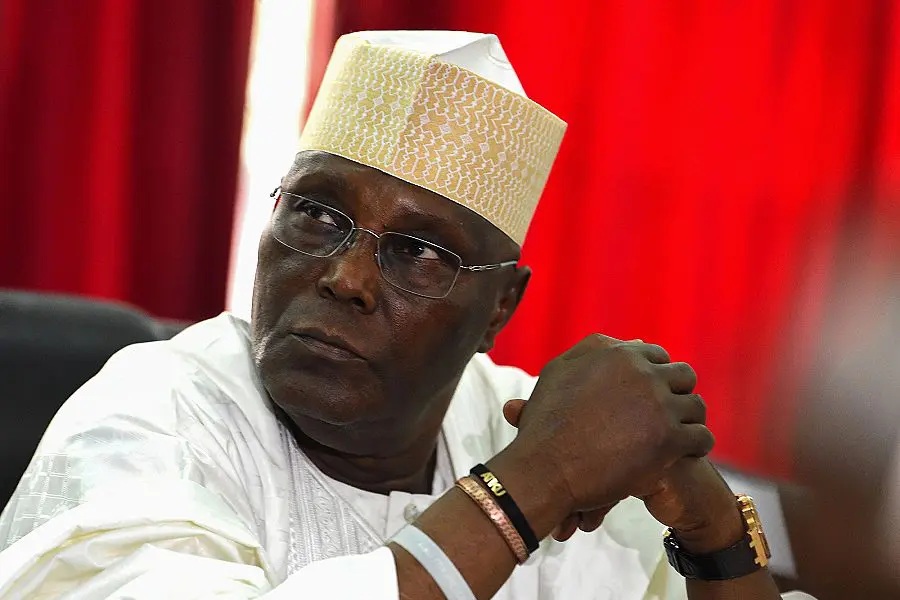
ABEOKUTA, NIGERIA — Former President Olusegun Obasanjo has described his decision to choose Atiku Abubakar as his vice-presidential running mate in 1999 as the biggest mistake of his political career.
Obasanjo made the remark while speaking at a public event in Abeokuta, Ogun State, where he reflected on key decisions taken during his time in office. According to him, although the choice was made after consultations and careful consideration, subsequent events convinced him that it was an error.
The former president said leadership often involves making difficult decisions, some of which later prove to be wrong. He noted that the experience taught him valuable lessons about political appointments and the importance of thoroughly assessing individuals before entrusting them with sensitive responsibilities.
Obasanjo and Atiku served together from 1999 to 2007 after winning Nigeria’s presidential election on the platform of the Peoples Democratic Party (PDP). While the administration initially projected unity, the relationship between the two leaders deteriorated during their second term in office over political and constitutional disagreements.

Their rivalry became one of the defining political conflicts of the era, with both men publicly exchanging accusations before eventually parting ways. Since leaving office, they have remained on different political paths, occasionally making public comments about each other and the events that shaped their administration.
Obasanjo’s latest remarks have reignited discussions about the political relationship between the former president and his one-time deputy, as well as the impact of their fallout on Nigeria’s political landscape.
Political observers say the comments could generate fresh reactions, especially as political alignments continue ahead of the 2027 general election. Neither Atiku Abubakar nor his media aides had publicly responded to Obasanjo’s statement at the time of filing this report.
The former president, however, maintained that every leader must accept responsibility for decisions made in office and learn from past experiences, adding that leadership is ultimately judged by the choices made in the interest of the nation.




