


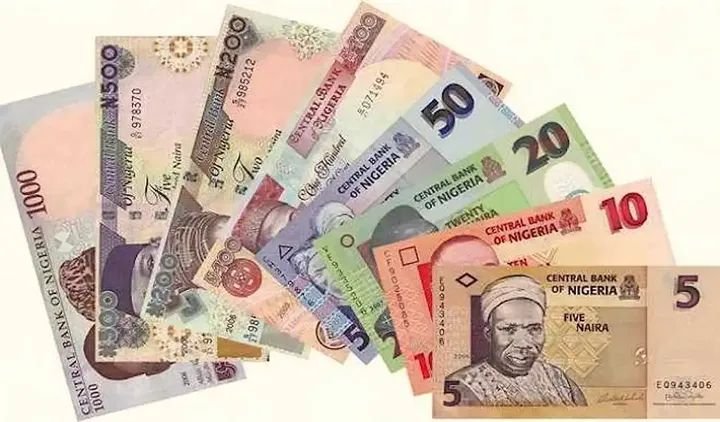
ABUJA, Nigeria — The Nigerian naira closed the month of July on a weaker note, settling at ₦1,368.22 per United States dollar at the official foreign exchange market.
The latest exchange rate represents a depreciation of the local currency, reflecting continued pressure in the foreign exchange market despite ongoing reforms by the Central Bank of Nigeria (CBN) aimed at improving liquidity and market stability.
Market analysts attributed the decline to sustained demand for foreign exchange by importers, manufacturers, investors and other businesses, coupled with limited dollar supply in the official market. They noted that although the naira weakened, the currency has remained relatively more stable compared to the sharp fluctuations experienced in previous months.
The CBN has continued implementing measures to improve transparency in the foreign exchange market, attract foreign investment and increase the availability of foreign currency. These reforms are part of broader efforts to strengthen the naira and restore confidence in Nigeria’s economy.

Economists said the long-term performance of the naira will depend on increased foreign exchange earnings through higher crude oil production, stronger non-oil exports, diaspora remittances and greater foreign direct investment.
Businesses that rely on imported raw materials and finished goods said exchange rate movements continue to affect production costs and prices. Many expressed hope that improved forex inflows and sustained policy reforms would help stabilise the currency in the coming months.
The Federal Government has maintained that its economic reforms are aimed at achieving long-term macroeconomic stability, boosting investor confidence and supporting economic growth.
As trading enters a new month, investors and financial markets will be closely watching economic indicators, oil prices and Central Bank policies for signs of improved foreign exchange liquidity and greater stability in the value of the naira.




