


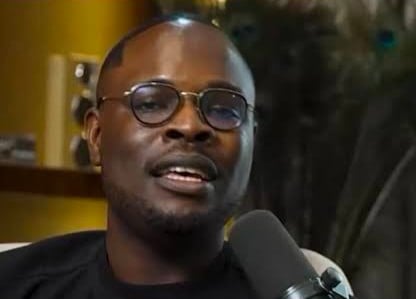
Media entrepreneur and storyteller Chude Jideonwo has opened up about living with Tourette syndrome, offering a deeply personal look into a condition that is often misunderstood and stigmatized.
Speaking candidly, he described the experience as one where his body can sometimes act independently of his intentions what he called moments when it “misfires.” These episodes, he explained, are not within his control, highlighting the reality of living with involuntary tics that can be physical, vocal, or both.
Beyond his personal journey, Jideonwo used the moment to address the broader issue of stigma, particularly in African societies where awareness of neurological conditions remains limited. He noted that many people misinterpret symptoms, often labeling individuals as attention-seeking or behaving unusually, rather than recognizing it as a medical condition that requires understanding and support.
He also emphasized the emotional toll that comes with such misunderstandings. Living with Tourette syndrome is not just about managing physical symptoms it also involves navigating public perception, self-acceptance, and the pressure to appear “normal” in professional and social settings.

Despite these challenges, Jideonwo’s openness is being seen as a powerful step toward awareness. By sharing his story, he is helping to normalize conversations around neurological and mental health conditions, encouraging others who may be struggling in silence to feel seen and understood.
Health experts often stress that while Tourette syndrome has no outright cure, it can be managed through a combination of therapy, support systems, and, in some cases, medication. Increased awareness plays a key role in improving the quality of life for those affected.
His revelation has sparked conversations online, with many praising his courage and honesty. For many, it’s not just about his diagnosis it’s about the message that conditions like Tourette syndrome should be met with empathy, not judgment.
In a society where such topics are rarely discussed openly, his voice is helping shift the narrative from silence and stigma to awareness and acceptance.


