


Dental experts are advising patients to seek immediate dental care if a dental crown becomes loose, warning that delaying treatment can expose the underlying tooth to decay, infection, and possible fracture. Although a loose crown may not always cause pain, dentists say it should never be considered a minor problem.
Prompt treatment can often preserve both the crown and the natural tooth, reducing the need for more extensive dental procedures.
What Is a Dental Crown?
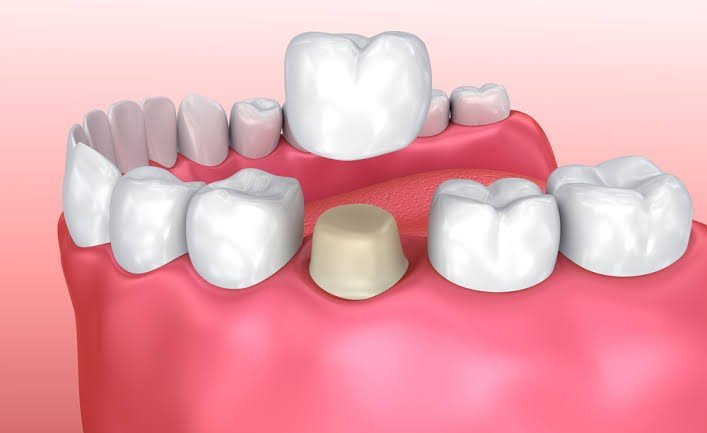
A dental crown is a custom-made cap placed over a damaged or weakened tooth to restore its strength, shape, and appearance.
Crowns are commonly used after:

- Root canal treatment.
- Large dental fillings.
- Severe tooth fractures.
- Extensive tooth decay.
- Dental implant procedures.
With proper care, crowns can last for many years.
Why Do Dental Crowns Become Loose?
Several factors can cause a crown to loosen, including:
- Wear and tear over time.
- Decay developing beneath the crown.
- Damage to the dental cement.
- Chewing hard or sticky foods.
- Teeth grinding or clenching.
- Trauma to the mouth.
A loose crown should always be assessed by a dentist.
Signs of a Loose Crown
Common warning signs include:
- Movement when chewing.
- Sensitivity to hot or cold foods.
- Pain when biting.
- Food becoming trapped around the crown.
- A crown that partially lifts off the tooth.
- An unpleasant taste or bad breath caused by trapped bacteria.
Some people notice the problem only when the crown falls off.
What Happens If You Ignore It?
Leaving a loose crown untreated may lead to:
- Tooth decay beneath the crown.
- Infection of the tooth.
- Fracture of the remaining tooth structure.
- Gum irritation.
- Complete loss of the crown.
- More expensive restorative treatment.
Early treatment usually produces better outcomes.
What Should You Do If a Crown Becomes Loose?
If your crown becomes loose:
- Avoid chewing on the affected side.
- Keep the crown safe if it falls out.
- Do not attempt to glue it back with household adhesives.
- Maintain good oral hygiene around the tooth.
- Arrange a dental appointment as soon as possible.
Temporary dental cement from a pharmacy may be used only if advised by a dental professional until you can see a dentist.
How Can You Protect Your Dental Crowns?
Dentists recommend:
- Brushing twice daily with fluoride toothpaste.
- Flossing carefully around the crown.
- Avoiding chewing ice and very hard foods.
- Wearing a night guard if you grind your teeth.
- Attending routine dental check-ups.
Regular examinations help identify problems before they worsen.
When Should You See a Dentist?
Seek prompt dental care if:
- A crown becomes loose or falls out.
- You experience pain beneath a crown.
- The crown cracks or breaks.
- You notice swelling around the affected tooth.
Delaying treatment may reduce the chances of saving the crown.
The Bottom Line
A loose dental crown should never be ignored. Although it may seem like a minor inconvenience, it can quickly lead to decay, infection, or damage to the underlying tooth. Seeking prompt dental care and following good oral hygiene practices can help extend the life of your crown and protect your overall oral health.
Disclaimer: This article is for informational purposes only and should not replace professional dental advice. Anyone with a loose or damaged dental crown should consult a qualified dentist for proper evaluation and treatment.




