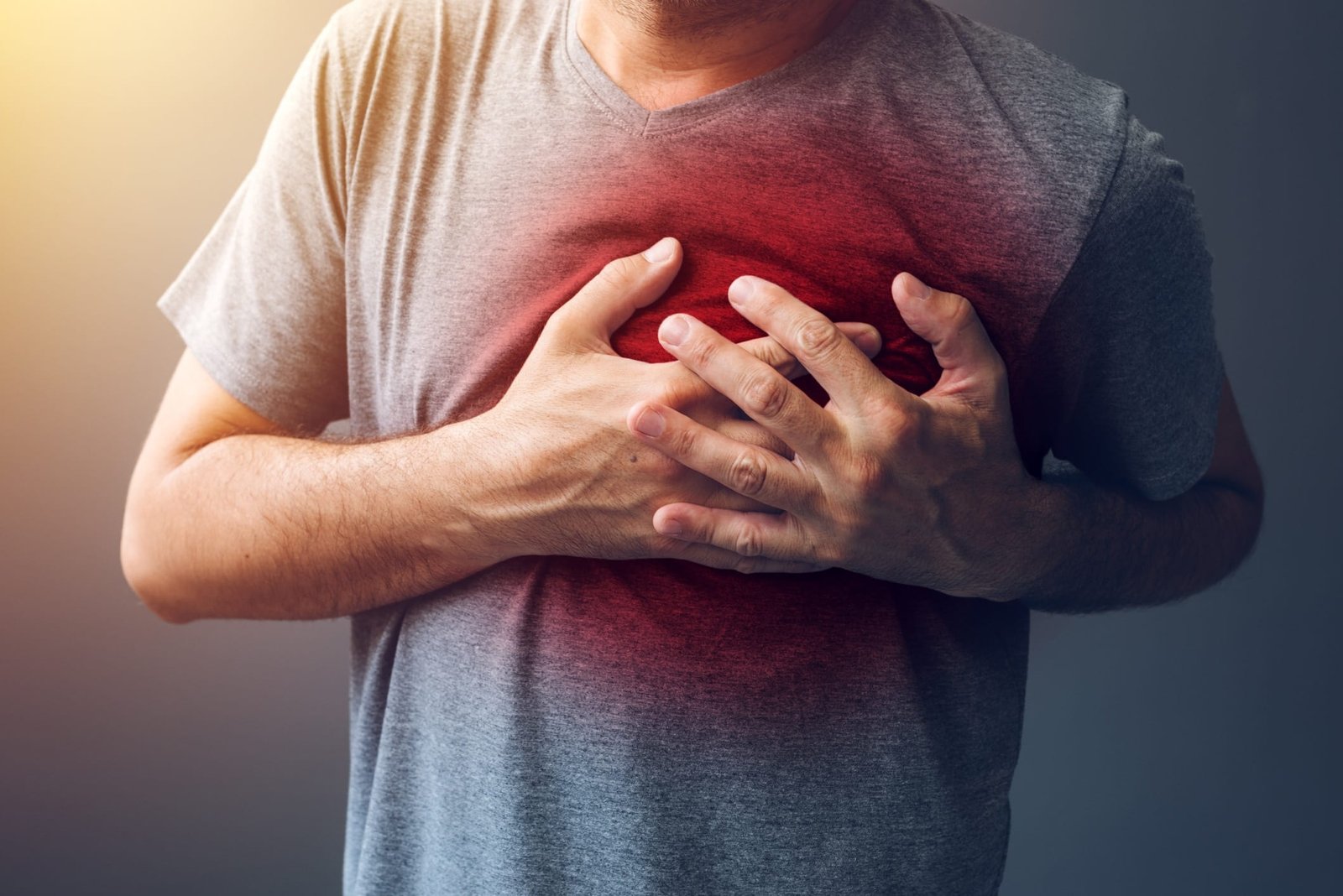
Doctors are urging the public to seek immediate medical care at the first sign of a heart attack, warning that every minute of delay can increase damage to the heart muscle and reduce the chances of survival. Medical professionals emphasize that recognizing the warning signs early and acting quickly can save lives, prevent permanent heart damage, and improve recovery outcomes.
Cardiologists explain that a heart attack, medically known as a myocardial infarction, occurs when blood flow to a part of the heart is suddenly blocked, usually by a blood clot that forms after the rupture of a fatty plaque inside a coronary artery. Without an adequate supply of oxygen-rich blood, heart muscle cells begin to die within minutes. The longer treatment is delayed, the greater the damage to the heart.
Health experts warn that one of the most common symptoms of a heart attack is chest pain or discomfort. This pain is often described as pressure, tightness, squeezing, fullness, or a heavy sensation in the center or left side of the chest. The discomfort may last for several minutes or come and go, but doctors stress that it should never be ignored.
Medical professionals explain that a heart attack does not always present with chest pain alone. Many patients experience pain that spreads to the shoulders, arms, neck, jaw, back, or upper abdomen. Other common symptoms include shortness of breath, cold sweats, nausea, vomiting, dizziness, lightheadedness, unusual fatigue, and a sudden feeling of weakness.
Doctors highlight that heart attack symptoms may vary from person to person. Women, older adults, and individuals living with diabetes are more likely to experience less typical symptoms such as unexplained fatigue, indigestion-like discomfort, nausea, back pain, or shortness of breath without severe chest pain. Because these symptoms can easily be mistaken for less serious illnesses, many people delay seeking treatment, increasing the risk of complications.
Cardiologists emphasize that immediate medical attention is critical because modern treatments are most effective when provided within the first few hours after symptoms begin. Emergency procedures such as clot-dissolving medications or emergency coronary angioplasty can restore blood flow to the heart, limit permanent damage, and significantly improve survival rates.
Health experts strongly advise individuals experiencing heart attack symptoms not to attempt self-diagnosis or wait for the pain to disappear. Instead, they should immediately contact emergency medical services or proceed to the nearest hospital as quickly as possible. Doctors caution against driving oneself if symptoms are severe, as the condition may suddenly worsen during the journey.
Medical professionals identify several major risk factors that increase the likelihood of a heart attack. These include high blood pressure, high cholesterol, diabetes, obesity, smoking, physical inactivity, excessive alcohol consumption, chronic stress, unhealthy diets, advancing age, and a family history of heart disease. Individuals with these risk factors are encouraged to undergo regular health screenings and work closely with healthcare providers to reduce their cardiovascular risk.
Doctors also stress the importance of prevention through healthy lifestyle choices. Maintaining a balanced diet rich in fruits, vegetables, whole grains, lean proteins, and healthy fats, engaging in regular physical activity, maintaining a healthy weight, avoiding tobacco products, limiting alcohol intake, managing stress, and taking prescribed medications as directed can all help lower the risk of heart attacks.
In addition, cardiologists encourage the public to learn basic first aid and cardiopulmonary resuscitation (CPR), as immediate assistance from bystanders can significantly improve survival in cases where a heart attack leads to cardiac arrest before emergency responders arrive.
In conclusion, doctors stress that a heart attack is a medical emergency that requires immediate attention. They warn that recognizing the warning signs, seeking emergency medical care without delay, and adopting heart-healthy lifestyle habits are among the most effective ways to reduce deaths from cardiovascular disease and improve long-term heart health.