


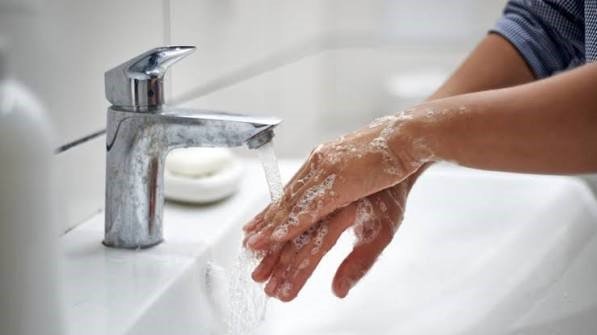
Health experts are urging Nigerians to make proper hand hygiene a daily habit, emphasizing that regular handwashing is one of the simplest and most effective ways to prevent the spread of infectious diseases.
According to medical professionals, hands come into contact with countless surfaces throughout the day, picking up bacteria, viruses, and other harmful microorganisms. When contaminated hands touch the eyes, nose, or mouth, these germs can enter the body and cause illness. Germs can also spread from person to person through handshakes, shared objects, and food preparation.
Doctors explain that many common infections, including diarrhoeal diseases, respiratory infections, and some eye and skin infections, can be prevented through proper hand hygiene. Regular handwashing not only protects the individual but also helps reduce the spread of illness within homes, schools, workplaces, and communities.
Health professionals recommend washing hands thoroughly with clean running water and soap for at least 20 seconds. Important moments for handwashing include before preparing or eating food, after using the toilet, after changing a child’s diaper, after coughing, sneezing, or blowing the nose, after handling waste, after touching animals, and after caring for someone who is sick.

Medical experts note that when soap and clean water are not readily available, an alcohol-based hand sanitiser containing at least 60 percent alcohol can be used as an alternative. However, they caution that hand sanitisers may not be effective when hands are visibly dirty or greasy, in which case washing with soap and water remains the preferred option.
Doctors advise paying attention to all parts of the hands during washing, including the palms, backs of the hands, between the fingers, under the fingernails, and around the wrists. Hands should then be dried using a clean towel or allowed to air dry.
Health experts also encourage people to avoid touching their face with unwashed hands, as this is a common route through which germs enter the body. Maintaining clean hands is particularly important during outbreaks of infectious diseases and when caring for infants, older adults, or individuals with weakened immune systems.
Medical professionals stress that good hand hygiene should be combined with other preventive measures such as covering the mouth and nose when coughing or sneezing, cleaning frequently touched surfaces, staying home when ill, and keeping up to date with recommended vaccinations.
Doctors further encourage schools, healthcare facilities, businesses, and public institutions to provide access to handwashing stations and hand sanitisers to promote better hygiene practices and reduce the spread of infections.
Medical experts conclude that proper hand hygiene is a simple habit that can save lives. They encourage Nigerians to wash their hands regularly with soap and clean water and to make hand hygiene a routine part of everyday life to protect themselves, their families, and their communities.




