


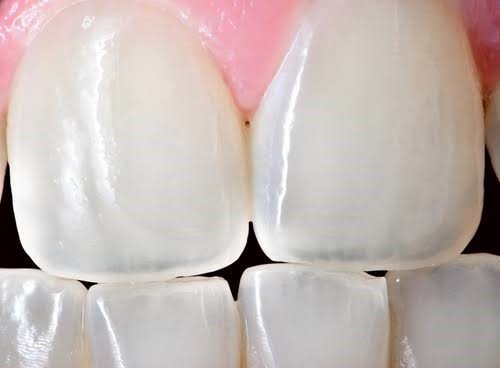
Health professionals are warning that repeated vomiting can have serious effects on oral health, as stomach acid repeatedly coming into contact with the teeth can wear away tooth enamel. Whether caused by pregnancy-related morning sickness, eating disorders, acid reflux, or certain medical conditions, frequent vomiting can increase the risk of tooth sensitivity, cavities, and permanent tooth damage.
Experts say recognising the early signs and taking the right steps after vomiting can help reduce the risk of long-term dental complications.
How Does Vomiting Affect the Teeth?
Stomach acid is highly acidic and can soften and erode the protective enamel covering the teeth.
Repeated exposure may lead to:

- Enamel erosion.
- Tooth sensitivity.
- Increased risk of cavities.
- Changes in tooth shape.
- Tooth discolouration.
Once enamel is lost, it cannot grow back naturally.
Who Is at Risk?
Frequent vomiting may occur in people with:
- Morning sickness during pregnancy.
- Eating disorders such as bulimia nervosa.
- Acid reflux disease.
- Stomach illnesses.
- Certain medical treatments.
Anyone who vomits regularly should pay close attention to their oral health.
Common Warning Signs
Early symptoms may include:
- Sensitivity to hot or cold foods.
- Yellowing of the teeth.
- Smooth or shiny tooth surfaces.
- Pain when eating sweet foods.
- Thin or worn teeth.
Early detection allows for timely intervention.
What Should You Do After Vomiting?
Dental experts recommend:
- Rinsing your mouth with plain water or a fluoride mouth rinse.
- Waiting at least 30 minutes before brushing your teeth.
- Drinking water to help wash away stomach acid.
- Chewing sugar-free gum to stimulate saliva production if appropriate.
Brushing immediately after vomiting can increase enamel wear because the enamel is temporarily softened by acid.
How Can You Protect Your Teeth?
Experts advise:
- Treating the underlying cause of frequent vomiting.
- Using fluoride toothpaste.
- Attending regular dental check-ups.
- Limiting acidic foods and drinks.
- Following your healthcare provider’s treatment plan.
Managing the underlying condition is essential for protecting oral health.
When Should You See a Dentist?
Seek dental care if you experience:
- Persistent tooth sensitivity.
- Noticeable thinning or yellowing of the teeth.
- Pain while eating or drinking.
- Frequent vomiting with changes in your teeth.
Early treatment can help slow further damage.
The Bottom Line
Frequent vomiting can permanently damage tooth enamel and increase the risk of sensitivity and tooth decay. Rinsing the mouth after vomiting, delaying brushing for at least 30 minutes, and seeking treatment for the underlying cause are important steps in protecting oral health. Regular dental check-ups can help detect enamel erosion before it becomes severe.
Disclaimer: This article is for informational purposes only and should not replace professional medical or dental advice. Individuals experiencing frequent vomiting or signs of tooth enamel erosion should consult both a healthcare provider and a qualified dentist for appropriate evaluation and care.




