


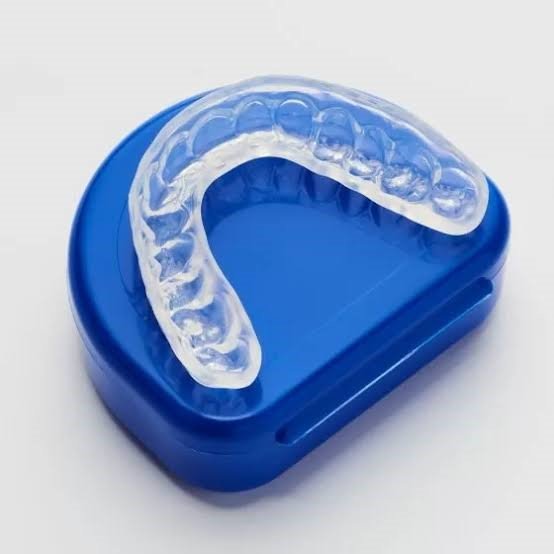
Dental professionals are encouraging athletes and individuals who participate in contact sports to wear properly fitted mouthguards, warning that many dental injuries can be prevented with the right protective equipment. Experts say sports-related injuries are a leading cause of broken, chipped, and knocked-out teeth, particularly among children and young adults.
They stress that wearing a mouthguard during training and competition can significantly reduce the risk of serious oral injuries.
What Is a Mouthguard?
A mouthguard is a protective device worn over the teeth to cushion the mouth against impact.
It helps protect the:

- Teeth.
- Gums.
- Lips.
- Tongue.
- Jaw.
Mouthguards are commonly recommended for people involved in contact or high-impact sports.
Who Should Wear a Mouthguard?
Dental experts recommend mouthguards for individuals participating in:
- Football.
- Basketball.
- Boxing.
- Hockey.
- Rugby.
- Martial arts.
- Skateboarding.
- Cycling.
Even recreational athletes may benefit from wearing one.
Benefits of Wearing a Mouthguard
Using a mouthguard can help:
- Prevent chipped or broken teeth.
- Reduce the risk of knocked-out teeth.
- Protect the lips and cheeks from injury.
- Lower the risk of jaw fractures.
- Minimise injuries to braces and other dental appliances.
Proper protection can reduce the need for emergency dental treatment.
Types of Mouthguards
The three main types include:
- Stock mouthguards, which come ready to wear.
- Boil-and-bite mouthguards, which are softened in hot water for a better fit.
- Custom-made mouthguards, which are made by a dentist and provide the best fit and protection.
Dentists generally recommend custom-made mouthguards for the highest level of comfort and safety.
Caring for a Mouthguard
To keep a mouthguard in good condition:
- Rinse it before and after each use.
- Wash it regularly with mild soap and cool water.
- Store it in a ventilated protective case.
- Keep it away from excessive heat.
- Replace it if it becomes damaged or no longer fits properly.
Good maintenance helps ensure effective protection.
When Should You Replace It?
A mouthguard should be replaced if:
- It becomes cracked or torn.
- It no longer fits comfortably.
- It shows signs of excessive wear.
- A child has outgrown it due to dental development.
Regular inspection helps maintain its effectiveness.
When Should You See a Dentist?
Seek dental care immediately if you suffer:
- A chipped or broken tooth.
- A knocked-out tooth.
- Jaw pain after a sports injury.
- Bleeding from the mouth that does not stop.
- Damage to braces or other dental appliances.
Prompt treatment improves the chances of a successful recovery.
The Bottom Line
Sports-related dental injuries are often preventable. Wearing a properly fitted mouthguard during training and competition can protect the teeth, gums, and jaw from serious injury. Combined with regular dental check-ups, this simple protective measure can help athletes maintain healthy smiles both on and off the field.
Disclaimer: This article is for informational purposes only and should not replace professional medical or dental advice. Individuals who experience a sports-related dental injury should seek prompt evaluation from a qualified dentist or healthcare provider.




