


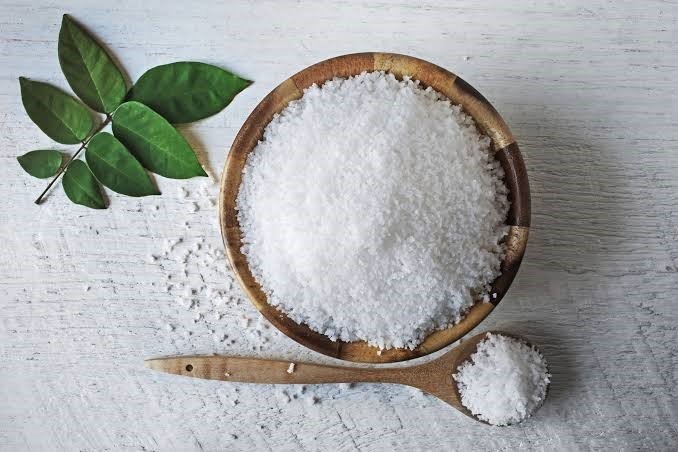
Salt is an essential part of the diet, but consuming too much can have serious consequences for your health. Excess sodium increases blood pressure, causes the body to retain fluid, and places extra strain on the kidneys. Over time, a high-salt diet can contribute to chronic kidney disease (CKD), heart disease, and stroke.
Health experts recommend limiting sodium intake as part of a healthy lifestyle to protect both the kidneys and the heart.
Why Do the Kidneys Need to Control Salt?
The kidneys regulate the amount of sodium and water in the body.
When you consume more salt than your body needs, the kidneys must work harder to remove the excess sodium through urine. If this continues over many years, the extra workload can damage the kidneys and contribute to high blood pressure, which is one of the leading causes of kidney disease.

How Much Salt Is Recommended?
The World Health Organization (WHO) recommends that adults consume less than 5 grams of salt per day, which is about one level teaspoon. This provides approximately 2 grams (2,000 mg) of sodium.
Many people consume much more than this because salt is hidden in processed and packaged foods.
Foods That Are High in Salt
Common sources of excess sodium include:
- Processed meats such as bacon, sausages, and ham.
- Instant noodles.
- Fast foods.
- Packaged snacks like chips and crackers.
- Canned soups and vegetables.
- Seasoning cubes and salty condiments.
- Processed cheeses.
- Smoked and salted fish.
Even foods that do not taste very salty can contain large amounts of sodium.
How Too Much Salt Affects the Kidneys
A high-salt diet can:
- Increase blood pressure.
- Cause fluid retention.
- Increase protein leakage into the urine.
- Damage the small blood vessels in the kidneys.
- Speed up the progression of chronic kidney disease.
People who already have kidney disease are especially sensitive to excess sodium.
Signs You May Be Eating Too Much Salt
Eating too much salt does not always cause immediate symptoms, but some people may notice:
- Swollen feet or ankles.
- Puffiness around the eyes.
- Feeling unusually thirsty.
- High blood pressure.
- Frequent headaches.
- Bloating.
The only way to know if salt is affecting your health is through regular blood pressure checks and medical evaluation.
Tips to Reduce Salt Intake
Simple ways to lower your sodium intake include:
- Cook more meals at home.
- Read food labels and choose low-sodium options.
- Limit processed and packaged foods.
- Use herbs, spices, garlic, ginger, or lemon instead of extra salt for flavour.
- Taste your food before adding salt.
- Reduce the use of seasoning cubes and salty sauces.
Small changes made consistently can have a significant impact on kidney health.
Who Should Be Extra Careful?
Reducing salt intake is especially important for people who:
- Have chronic kidney disease.
- Have high blood pressure.
- Have heart disease.
- Have diabetes.
- Are over 60 years of age.
Your healthcare provider may recommend an even lower sodium intake depending on your medical condition.
When Should You See a Doctor?
Speak to a healthcare professional if you:
- Have consistently high blood pressure.
- Notice swelling in your legs, feet, or face.
- Have been diagnosed with kidney disease.
- Are unsure how much salt is appropriate for your diet.
A doctor or registered dietitian can provide personalised dietary advice.
The Bottom Line
While salt is necessary for normal body function, too much can place unnecessary strain on the kidneys and increase the risk of high blood pressure and chronic kidney disease. Limiting processed foods, reducing added salt, and choosing fresh, wholesome meals are simple but effective ways to protect your kidneys and improve overall health.
Disclaimer: This article is for informational purposes only and should not replace professional medical advice. Individuals with kidney disease or other chronic health conditions should consult a qualified healthcare professional or registered dietitian before making major dietary changes.




