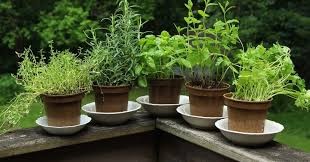
As more people embrace healthier lifestyles and natural wellness practices, home herb gardens are becoming increasingly popular for their health and nutritional benefits. Beyond adding flavor to meals, many herbs contain natural compounds believed to support the immune system and overall well-being.
Experts say growing medicinal herbs at home can provide quick access to fresh ingredients that may help the body fight common illnesses while also offering stress-relieving benefits through gardening itself.
Several herbs stand out for their traditional immune-supporting properties.
Echinacea, widely recognized for its bright purple flowers, is commonly used in herbal remedies designed to support immune function. The plant is also valued for its ability to attract pollinators such as butterflies, making it both practical and decorative in gardens.
Thyme is another popular option due to its natural antiseptic properties. The herb grows well in sunny conditions and requires little maintenance, making it suitable for beginner gardeners.
Oregano, often used in cooking, contains compounds believed to have antibacterial and antifungal effects. Rosemary is also favored for its strong aroma and potential respiratory health benefits, while mint varieties such as peppermint and spearmint are commonly used to soothe sore throats and congestion.
Garlic remains one of the most widely grown medicinal plants because of allicin, a natural compound associated with antibacterial support.
Garden specialists advise that location plays a major role in successful herb cultivation. Most medicinal herbs thrive in areas that receive at least six hours of direct sunlight daily. Well-drained soil is equally important, as excessive moisture can damage roots and reduce plant quality.
For people with limited outdoor space, container gardening offers a practical alternative. Window boxes, vertical gardens, and indoor pots with grow lights allow herbs to flourish even in apartments and small homes.
Experts also recommend using nutrient-rich but well-draining soil mixes. Organic compost can improve soil quality naturally, while avoiding excessive fertilizer helps herbs maintain their flavor and beneficial oils.
Proper watering is another key factor. Gardeners are encouraged to water deeply only when the soil begins to dry, as overwatering remains one of the most common causes of herb failure.
Harvest timing can also influence the quality of herbs. Many gardeners prefer harvesting in the morning when essential oils are believed to be most concentrated. Regular trimming encourages fuller growth and helps plants remain productive throughout the season.
Although herb gardening comes with challenges such as pests, yellowing leaves, and seasonal weather changes, experts recommend natural pest-control methods and proper plant care rather than chemical treatments, especially for herbs intended for consumption.
Health and gardening enthusiasts say the appeal of immunity gardens extends beyond physical wellness. Caring for plants has been linked to reduced stress, improved mindfulness, and a stronger connection to nature.
With minimal space, sunlight, and consistent care, many households can successfully grow a small collection of medicinal herbs at home, creating a convenient and sustainable source of natural wellness support.