


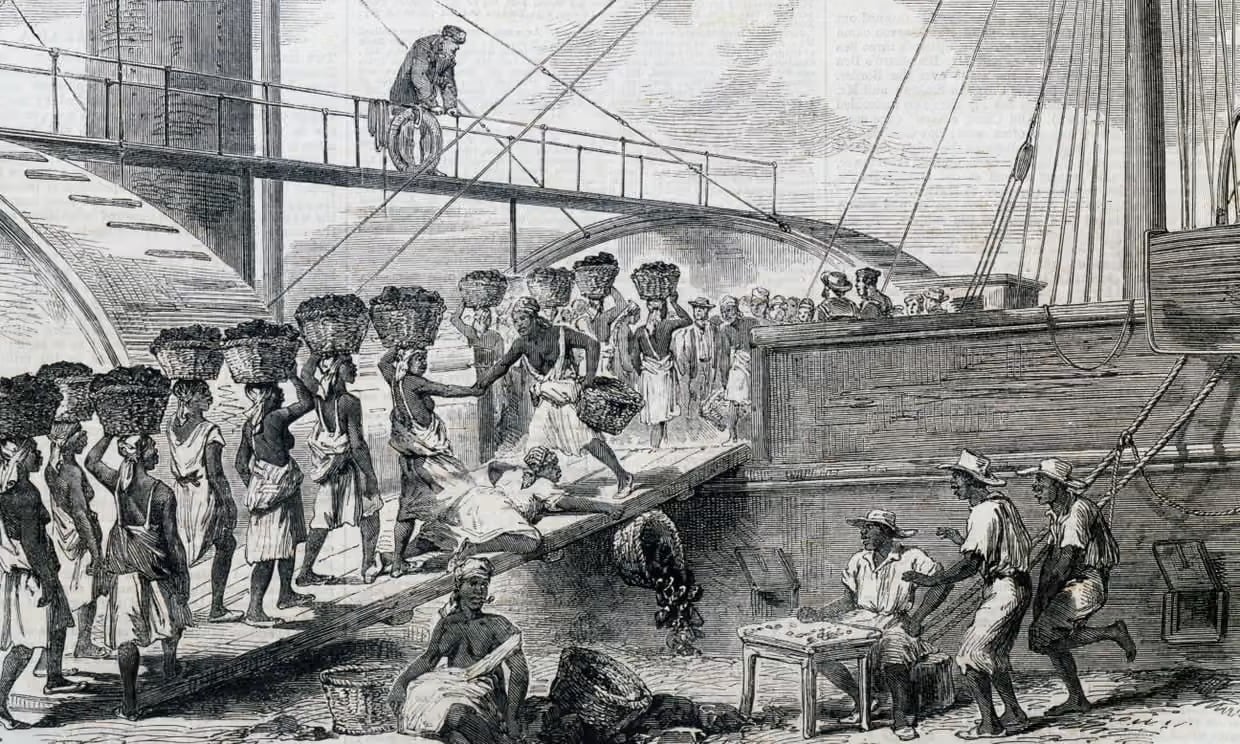
The United Nations General Assembly has officially described the transatlantic slave trade as “the gravest crime against humanity,” in a landmark vote that has sparked global reactions.
The resolution was passed with strong support 123 countries voted in favour, while three opposed and 52 abstained.
Supporters say the decision is an important step toward acknowledging the deep harm caused by slavery and opening conversations around justice and possible reparations.
Ghana’s President, John Mahama, who attended the session in New York, said the move is about recognising the truth and helping affected communities heal.

He described the resolution as a way to ensure that the horrors of slavery are never forgotten.
What the Resolution Means
Although the resolution is not legally binding, it goes beyond symbolic recognition.
It calls on countries that played a role in the slave trade to take steps toward restorative justice. It also highlights how the effects of slavery are still visible today through racism and inequality.
UN Secretary-General António Guterres said slavery destroyed lives, separated families, and left lasting damage on societies.
Despite broad support, the resolution faced opposition.
The United States, Israel, and Argentina voted against it, while the United Kingdom and European Union countries chose to abstain.
The U.S. described the resolution as “problematic,” arguing that it attempts to rank historical tragedies and does not support legal claims for reparations over actions that were not illegal at the time.
Some European nations shared similar concerns, warning against comparing different historical events.
African leaders and advocates have continued to push for stronger actions.
Ghana’s Foreign Minister, Samuel Okudzeto Ablakwa, called on countries involved in the slave trade to formally apologise and consider compensation.
He also suggested returning African artifacts taken during that era and addressing ongoing racial inequalities.
The vote has reignited global discussions about slavery, its legacy, and what justice should look like today.
While opinions remain divided, many see the resolution as a significant moment in confronting history and shaping future dialogue on equality and accountability




