


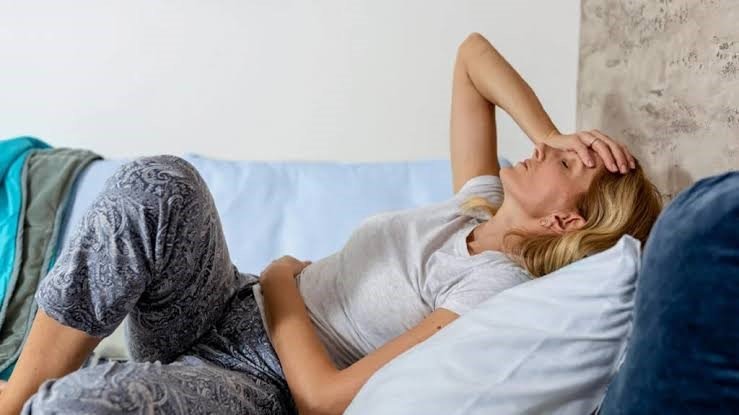
Menstrual cramps are a common part of the menstrual cycle and affect millions of women worldwide. For many, the pain is mild and manageable, but for others it can be severe enough to interfere with school, work, and daily activities.
Health experts say that while mild cramping is usually normal, severe or persistent pain may be a sign of an underlying medical condition that requires evaluation.
What Are Menstrual Cramps?
Menstrual cramps, also known as dysmenorrhoea, are painful sensations felt in the lower abdomen before or during menstruation. The pain occurs when the uterus contracts to shed its lining.
Some women experience cramps only occasionally, while others have painful periods every month.

Common Symptoms
Menstrual cramps may include:
- Throbbing or cramping pain in the lower abdomen.
- Pain that spreads to the lower back or thighs.
- Nausea.
- Headache.
- Fatigue.
- Diarrhoea or loose stools.
- Dizziness in some cases.
Symptoms usually begin one to two days before menstruation or shortly after bleeding starts and often improve within a few days.
What Causes Menstrual Cramps?
The main cause of menstrual cramps is the release of hormone-like substances called prostaglandins. These chemicals cause the muscles of the uterus to contract.
Higher levels of prostaglandins are generally associated with stronger uterine contractions and more severe pain.
Conditions That Can Cause Severe Menstrual Pain
While many women experience primary menstrual cramps without an underlying disease, severe pain may sometimes result from medical conditions such as:
- Endometriosis, where tissue similar to the lining of the uterus grows outside the uterus.
- Uterine fibroids, which are non-cancerous growths in the uterus.
- Adenomyosis, where the uterine lining grows into the muscular wall of the uterus.
- Pelvic inflammatory disease (PID), an infection of the female reproductive organs.
These conditions often require medical assessment and treatment.
How to Relieve Menstrual Cramps
Many women can reduce discomfort through simple self-care measures.
Health experts recommend:
- Applying a heating pad or hot water bottle to the lower abdomen.
- Engaging in light physical activity such as walking or stretching.
- Drinking enough water.
- Getting adequate rest.
- Eating a balanced diet rich in fruits, vegetables, and whole grains.
Some women may benefit from over-the-counter pain-relieving medicines, but these should be used according to the instructions or as advised by a healthcare professional.
Can Lifestyle Changes Help?
Yes. Certain healthy habits may reduce the severity of menstrual cramps over time.
These include:
- Regular exercise.
- Maintaining a healthy weight.
- Managing stress.
- Getting enough sleep.
- Avoiding smoking, which has been linked to more severe menstrual pain.
When Should You See a Doctor?
A healthcare professional should be consulted if:
- Menstrual pain is severe enough to interfere with daily activities.
- Pain suddenly becomes much worse than usual.
- Cramps continue even after the menstrual period ends.
- Pain does not improve with recommended treatments.
- Heavy menstrual bleeding accompanies severe pain.
- Pain begins for the first time later in adulthood.
These symptoms may indicate an underlying condition that requires further investigation.
Can Menstrual Cramps Be Prevented?
Not all menstrual cramps can be prevented, but maintaining a healthy lifestyle and managing underlying medical conditions may help reduce their frequency or severity.
Women with persistent symptoms should not assume severe pain is normal and should seek medical advice.
The Bottom Line
Menstrual cramps are common and are usually caused by normal uterine contractions during menstruation. However, severe or persistent pain may signal an underlying health condition such as endometriosis or fibroids. Recognising when menstrual pain is no longer normal and seeking timely medical care can improve quality of life and support better reproductive health.
Disclaimer: This article is for informational purposes only and should not replace professional medical advice. Women experiencing severe, persistent, or unusual menstrual pain should consult a qualified healthcare professional for proper evaluation and treatment.




