



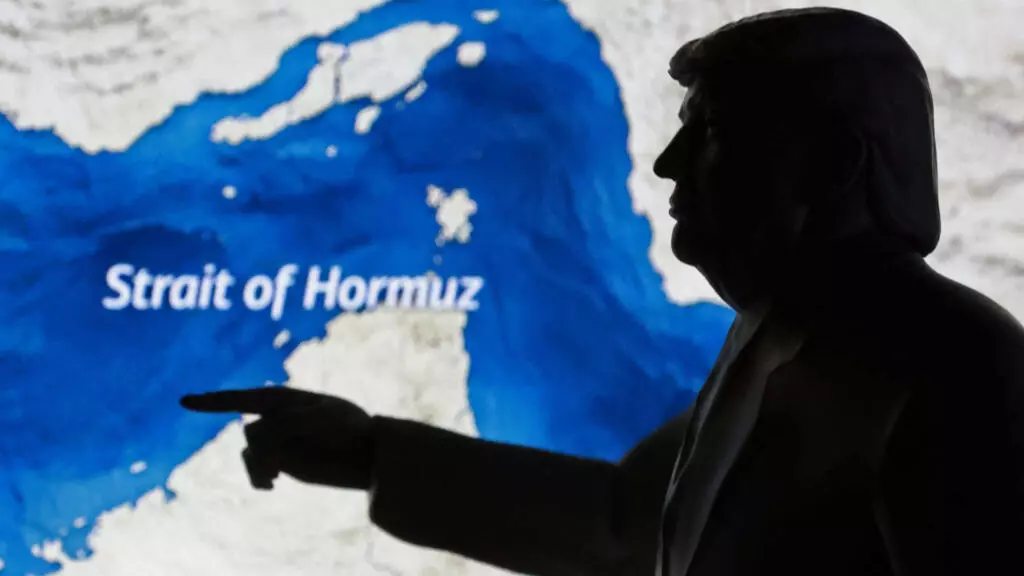
Fresh tensions erupted in the Strait of Hormuz on Friday after US and Iranian forces exchanged fire again, casting fresh doubt over the already fragile ceasefire between both countries.
The confrontation began after US forces moved to stop two Iranian tankers heading toward Iranian ports, even as diplomatic efforts to keep peace talks alive continued behind the scenes.
US Central Command said an American F/A-18 Super Hornet carried out precision strikes on the vessels, disabling them before they could continue their journey. Iranian state media, however, described the situation as “sporadic clashes” between Iranian and US naval forces in the strategic waterway.
The latest incident followed another overnight exchange in which both sides accused each other of provoking attacks in the Gulf.

Speaking in Rome, US Secretary of State Marco Rubio said Washington was still waiting for Tehran’s response to a new proposal aimed at extending the ceasefire and restarting negotiations.
“We’re expecting a response from them today at some point,” Rubio said. “I hope it’s a serious offer.”
The proposal was reportedly delivered through Pakistani mediators as part of efforts to prevent the conflict which began weeks ago with joint US-Israeli strikes on Tehran from spiralling further.
Iran’s Foreign Ministry spokesman, Esmaeil Baqaei, confirmed the proposal was still under review and said a final decision would be announced after consultations.
At the same time, Saudi Arabia has reportedly declined requests to allow the US military use its airspace or bases for operations connected to reopening the Strait of Hormuz by force. Sources told AFP the kingdom feared such a move would only inflame tensions across the region.
The overnight clashes have already triggered global concern.
According to US Central Command, Iranian forces launched missiles, drones and attack boats toward three American warships passing through the Strait of Hormuz.
Washington said none of the vessels were hit and claimed US forces intercepted the threats before striking Iranian military sites in retaliation.
Iran’s military offered a different account, accusing the US of targeting an Iranian oil tanker and hitting civilian areas near Bandar Khamir, Sirik and Qeshm Island.
Tehran described the American action as a direct violation of the ceasefire.
Iranian authorities also claimed their forces caused “significant damage” to US targets during the confrontation.
US President Donald Trump later insisted the ceasefire technically remained in place but warned Iran against further aggression.
“They trifled with us today. We blew them away,” Trump said on Thursday.
The United Arab Emirates also confirmed that its air defence systems intercepted Iranian missiles and drones during the exchange. UAE officials said three people sustained moderate injuries.
The renewed fighting has unsettled global markets and revived concerns over the security of the Strait of Hormuz, one of the world’s most important oil shipping routes.
The United Nations’ International Maritime Organization says around 1,500 ships and nearly 20,000 crew members remain stranded in the Gulf region as the conflict and restrictions around Iranian ports continue.


