


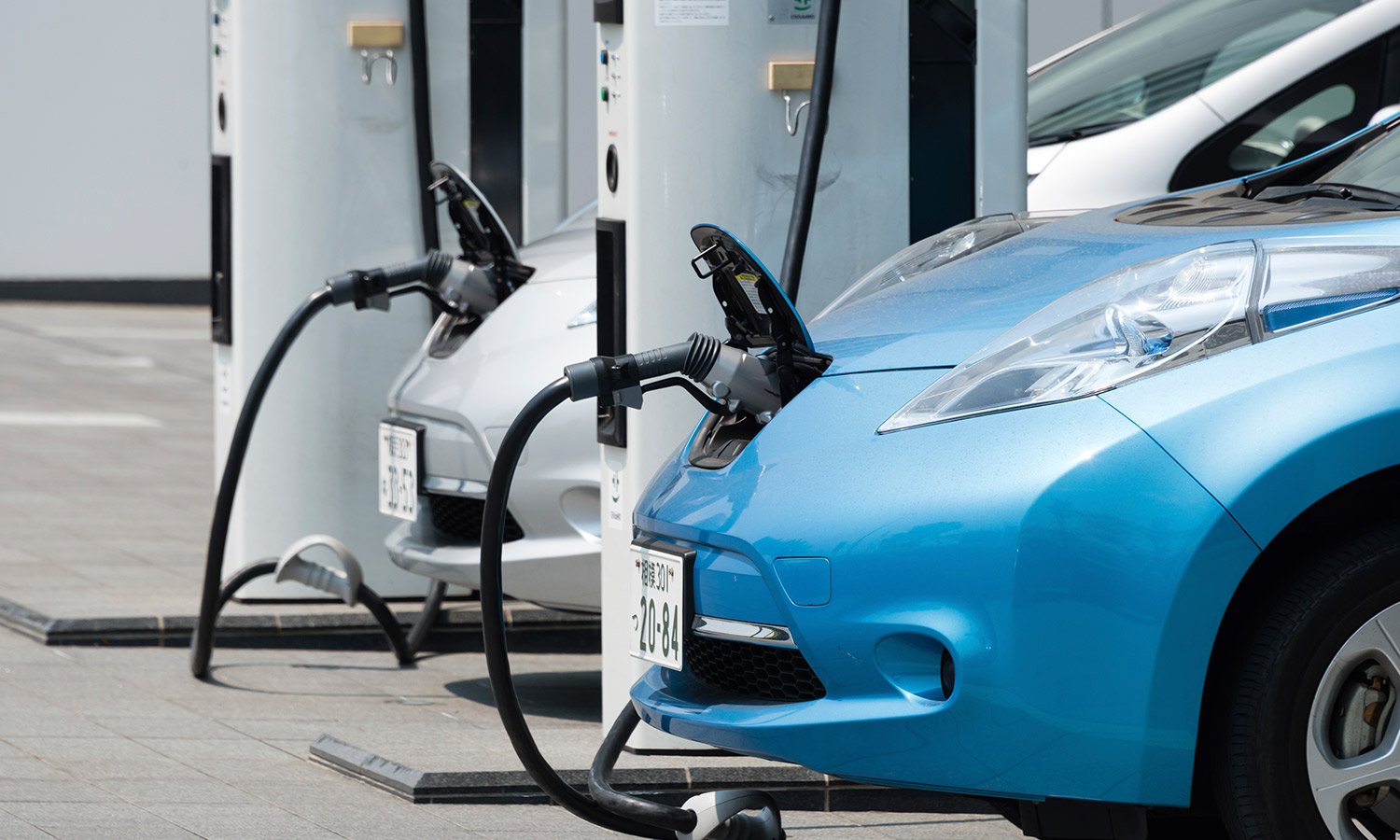
Not too long ago, the sound of a roaring engine was music to the ears of car lovers. The louder the exhaust, the more heads turned. Today, however, a different kind of revolution is quietly taking over the roads. Electric vehicles (EVs), once seen as futuristic gadgets only the wealthy could afford, are rapidly becoming part of everyday life. Across the world, governments, automakers, and consumers are embracing this shift, signaling one of the biggest transformations the automobile industry has experienced in more than a century.
Imagine standing at a busy traffic light. Instead of hearing the familiar growl of engines, all you hear is birds chirping and perhaps someone arguing over who forgot to buy bread. That quiet future is no longer science fiction. It is already happening in many cities, and the pace is only getting faster.
For decades, petrol and diesel vehicles dominated the market. Fuel stations became as common as churches and supermarkets, while mechanics built thriving businesses repairing engines, changing oil, and replacing worn-out parts. Then came electric vehicles, bringing a completely different way of thinking about transportation.
Unlike conventional vehicles, electric cars run on rechargeable batteries instead of burning fossil fuels. They produce no exhaust emissions while driving, making them an attractive option for countries looking to reduce air pollution and combat climate change. While environmental concerns have certainly played a major role in their popularity, economics has become an equally powerful driver. As fuel prices continue to fluctuate across the globe, many consumers are beginning to ask a simple question: “Wouldn’t it be cheaper to charge my car than to keep feeding it expensive petrol every week?

That question is changing purchasing decisions worldwide.
Major automobile manufacturers have recognized that the future is electric. Companies that built their reputations on powerful combustion engines are now investing billions of dollars into battery technology, charging infrastructure, and electric vehicle production. New competitors have also emerged, proving that innovation often comes from unexpected places. The race is no longer just about horsepower; it is now about battery range, charging speed, software, and smart technology.
Interestingly, electric vehicles have also transformed what buyers expect from a car. Consumers now pay close attention to features like autonomous driving assistance, over-the-air software updates, touchscreen controls, and smartphone integration. A modern electric car is becoming less like a traditional automobile and more like a computer on wheels. It can receive software improvements while parked at home, adding new features without ever visiting a dealership.
Of course, every revolution comes with its own challenges.
One of the biggest concerns surrounding electric vehicles remains charging infrastructure. While filling a petrol tank may take only a few minutes, charging an electric car can require considerably more time depending on the charger used. In many developing countries, including Nigeria, public charging stations remain limited, making long-distance travel less convenient than it could be.
Reliable electricity supply is another obstacle. Owning an electric vehicle in areas with unstable power can feel a little ironic. You may own one of the world’s most advanced cars, yet still find yourself praying for electricity before heading out to work the next morning. It is one of those situations where technology politely reminds us that infrastructure must grow alongside innovation.
Battery costs have also generated debate. Although prices have fallen significantly over the past decade, battery replacement remains expensive. Manufacturers continue investing heavily in research aimed at producing batteries that last longer, charge faster, and cost less. As technology advances, experts believe these concerns will gradually become less significant.
Despite these hurdles, the economic opportunities surrounding electric vehicles are enormous. Entire industries are being created almost overnight. Battery manufacturing, software development, charging infrastructure, renewable energy, recycling, and advanced automotive engineering are experiencing unprecedented growth. New businesses are emerging to serve the needs of electric vehicle owners, while existing companies are adapting to remain competitive.
Traditional automotive businesses are also evolving. Mechanics who once specialized exclusively in engines are beginning to learn battery diagnostics and electric motor repairs. Universities and technical institutions are updating their training programmes to prepare students for careers in electric mobility. In many ways, the industry is not disappearing, it is reinventing itself.
For oil-producing nations, the transition presents both challenges and opportunities. As demand for fossil fuels gradually changes over the coming decades, governments may need to diversify their economies while investing in renewable energy and emerging technologies. Countries that prepare early could position themselves as leaders in the next generation of transportation rather than simply reacting to global changes.
Nigeria, too, has an opportunity to participate in this transformation. While widespread electric vehicle adoption may still take time due to infrastructure and electricity challenges, local entrepreneurs can already explore opportunities in charging services, battery maintenance, renewable energy solutions, and vehicle imports. As urban populations continue to grow and environmental awareness increases, demand for cleaner transportation options is likely to rise steadily.
Consumers, meanwhile, are beginning to appreciate another surprising benefit: lower maintenance costs. Electric vehicles contain far fewer moving parts than traditional petrol-powered cars. There are no oil changes, fewer engine components to fail, and generally less routine servicing. Of course, this is wonderful news for drivers, though your neighborhood mechanic may suddenly start recommending battery health checks with the same enthusiasm once reserved for engine oil.
The shift toward electric mobility also reflects a broader change in consumer priorities. Buyers increasingly value sustainability alongside performance. Businesses that embrace environmentally friendly technologies often enjoy stronger public support and improved brand reputation. Investors are paying close attention as well, directing billions into companies developing cleaner transportation solutions.
For automakers, standing still is no longer an option. Those that fail to innovate risk losing relevance in an industry moving at remarkable speed. Competition is driving rapid improvements in battery technology, charging speed, affordability, and vehicle design, making electric cars more practical and accessible than ever before.
The rise of electric vehicles represents far more than the introduction of a new type of automobile. It signals a complete transformation of the global automotive ecosystem, from manufacturing and supply chains to employment, energy consumption, consumer behavior, and environmental policy. While challenges remain, the momentum behind electric mobility continues to grow stronger with each passing year.
As DDM News observes, the electric vehicle revolution is no longer approaching, it has already begun. Businesses, governments, and consumers who recognize this shift early are more likely to benefit from the opportunities it creates, while those who ignore it may struggle to keep pace with an industry undergoing historic change.
The next time you see an electric car gliding silently down the road, remember that you are not simply looking at another vehicle. You are witnessing the future of transportation arriving one quiet mile at a time. And if the auto industry has learned anything from history, it is that innovation never waits for anyone. As DDM News continues to monitor developments in global business and technology, one thing is becoming increasingly clear: the road ahead is electric, and the journey has only just begun.




