


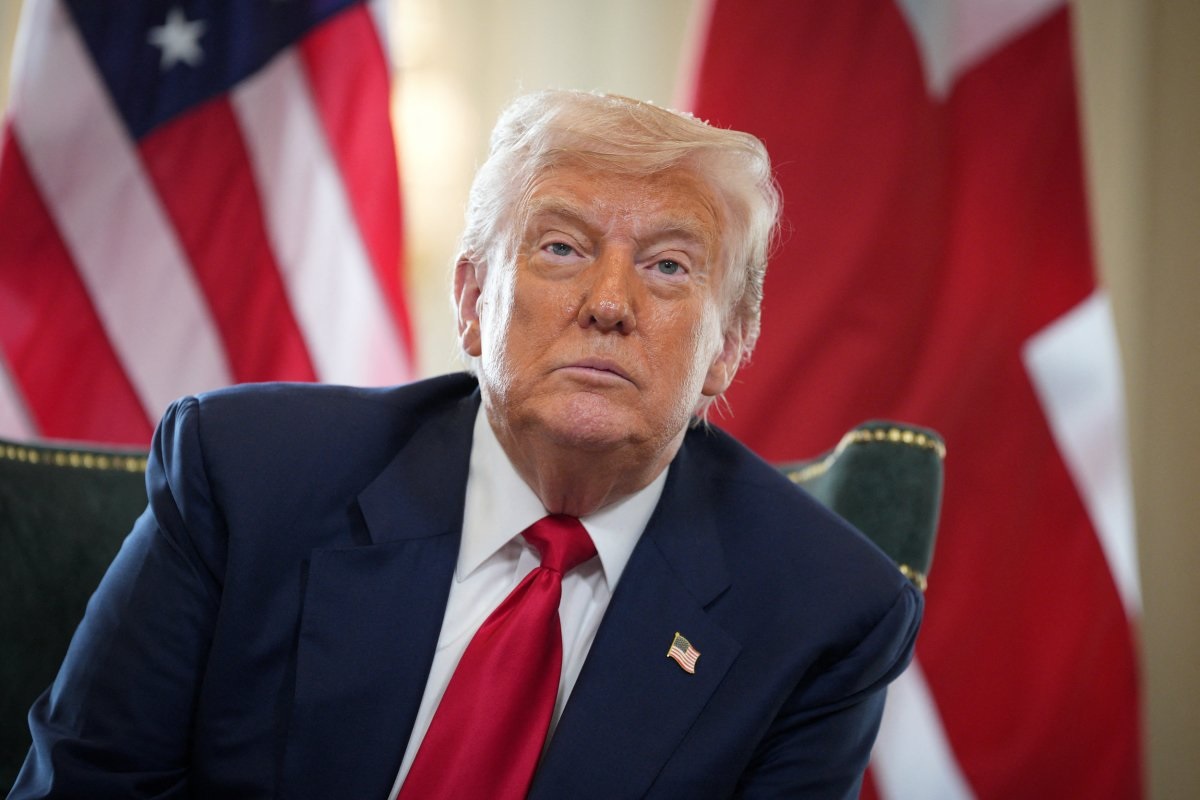
US President Donald Trump on Monday signed an executive order classifying illicit fentanyl and its core precursor chemicals as weapons of mass destruction, a move the White House says is aimed at strengthening efforts to combat the deadly opioid crisis.
Speaking in the Oval Office, Trump described the order as a critical step in protecting Americans from the effects of fentanyl, which he said was causing widespread harm across the country.
“No bomb does what this is doing,” the president said while announcing the order during a ceremony honoring US service members for their role in border security.

Under existing US law, the use or attempted use of weapons of mass destruction is a serious federal crime that can carry severe penalties. However, legal experts noted that an executive order cannot change statutory law, raising questions about the practical impact of the designation.
The order directs Attorney General Pam Bondi to pursue investigations and prosecutions related to fentanyl trafficking, while instructing Secretary of State Marco Rubio and Treasury Secretary Scott Bessent to take appropriate action against assets and financial institutions linked to the manufacture, distribution, or sale of illicit fentanyl, in line with existing laws.
The White House framed fentanyl production and distribution as a national security threat, alleging that foreign terrorist organizations and drug cartels profit from the trade and use the proceeds to fund violent activities and destabilize communities.
Former federal prosecutor Dennis Fitzpatrick, who specializes in national security cases, described the order as largely symbolic, arguing that current drug trafficking laws already provide prosecutors with effective tools to combat fentanyl-related crimes.
“There’s no practical reason to label fentanyl as a weapon of mass destruction,” Fitzpatrick said, adding that such measures should be enacted by Congress rather than through executive action.
According to federal estimates released in May, drug overdose deaths in the United States declined last year to their lowest level in five years, though synthetic opioids, particularly fentanyl, continued to account for the majority of overdose fatalities.
The White House event also included the revival of the Mexican Border Service Medal, originally established by Congress in 1918, which Defense Secretary Pete Hegseth said would be awarded to service members involved in border protection efforts.
The executive order takes effect immediately, though its legal and enforcement implications remain under scrutiny.