


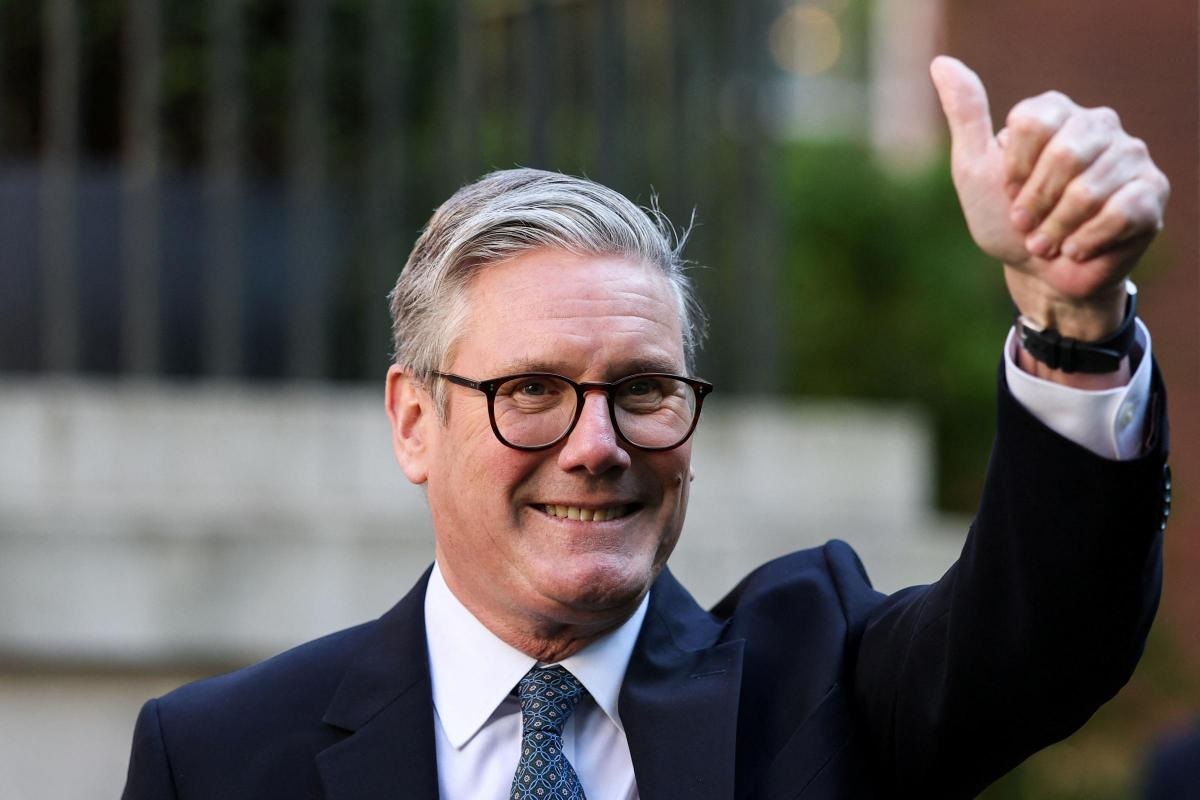
British Prime Minister Keir Starmer has announced plans to ban children under the age of 16 from using major social media platforms, describing the move as a necessary step to protect young people from the growing dangers of online activity.
Speaking from Downing Street on Monday, Starmer said the government intends to push the legislation through Parliament before the end of the year, with the restrictions expected to take effect by spring 2027.
The proposed ban will cover popular platforms including TikTok, Instagram, Facebook, Snapchat, YouTube and X. Messaging services such as WhatsApp and Signal will not be affected.
Starmer said the decision was driven by concerns about the impact of social media on children’s wellbeing, arguing that many platforms are designed to keep users online for long periods and often expose young people to bullying, abuse and harmful content.

“A full ban is the right choice,” the prime minister said. “I am not prepared to compromise on the safety and happiness of our children.”
Beyond the ban itself, the government is also planning additional safeguards for young users. These include restrictions on livestreaming features, preventing children from being contacted by strangers online, and tighter controls on certain gaming platforms.
Officials are also considering overnight social media curfews and measures aimed at limiting endless scrolling among users under 18.
The government said the policy was influenced by Australia, which became the first country to introduce a nationwide social media ban for under-16s in late 2025.
According to government figures, more than 116,000 people responded to a public consultation on the issue. Officials say 90 per cent of parents supported raising the minimum social media age to 16, while 85 per cent believed the risks of social media outweighed the benefits for children.
Starmer acknowledged that social media has positive uses but insisted the evidence now points to stronger intervention.
He said excessive screen time is preventing many children from sleeping properly, completing schoolwork, reading, playing outdoors and spending time with friends.
“Social media is making children unhappy,” he said, adding that many platforms have become breeding grounds for online harassment and addictive behaviour.
The announcement has drawn mixed reactions. While campaigners and bereaved families who have long called for tougher online protections welcomed the move, some technology companies voiced concern.
A YouTube spokesperson said the platform already provides extensive safety features for teenagers and warned that blanket bans could push young people towards less regulated online spaces.
Many teenagers have also questioned the proposal, with some arguing that the restrictions would limit communication, creativity and self-expression.
Despite the criticism, Starmer insisted the government would press ahead.
“It won’t be easy, but we can change this,” he said. “We have a responsibility to make the online world safer for our children.”




