


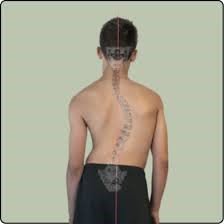
Scoliosis is a condition in which the spine curves sideways instead of remaining straight. While a slight curve may not cause problems, more severe cases can affect posture, movement, breathing, and overall quality of life if left untreated.
Health experts say early detection is important, especially in children and teenagers, because treatment is often more effective before the bones stop growing.
What Is Scoliosis?
A healthy spine appears straight when viewed from behind. In people with scoliosis, the spine curves to the side, sometimes forming an “S” or “C” shape.
The condition can affect people of all ages but is most commonly diagnosed during late childhood or early adolescence.

What Causes Scoliosis?
In many cases, the exact cause is unknown. This is called idiopathic scoliosis and is the most common type.
Other possible causes include:
- Congenital spinal abnormalities present at birth.
- Neuromuscular conditions such as cerebral palsy or muscular dystrophy.
- Degenerative changes in the spine among older adults.
- Spinal injuries or infections in rare cases.
Common Signs and Symptoms
Mild scoliosis may not cause pain or noticeable symptoms.
As the curve becomes more pronounced, signs may include:
- Uneven shoulders.
- One shoulder blade sticking out more than the other.
- Uneven waist.
- One hip appearing higher than the other.
- Leaning to one side.
- Back pain, especially in adults.
- Clothes not fitting evenly.
In severe cases, scoliosis may affect lung function by reducing the space available for the lungs to expand.
Who Is at Risk?
Risk factors include:
- Family history of scoliosis.
- Rapid growth during adolescence.
- Certain neuromuscular disorders.
- Older age, due to age-related degeneration of the spine.
Girls are more likely than boys to develop curves that require treatment.
How Is Scoliosis Diagnosed?
A healthcare provider may perform:
- A physical examination.
- A forward-bending test to assess spinal alignment.
- X-rays to measure the degree of spinal curvature.
- MRI in selected cases if another underlying condition is suspected.
These tests help determine the severity of the condition.
Treatment Options
Treatment depends on the person’s age, the degree of the spinal curve, and whether the curve is likely to worsen.
Observation
Small curves may simply be monitored with regular check-ups.
Bracing
Children and teenagers whose bones are still growing may wear a brace to help prevent the curve from worsening.
Physical Therapy
Specific exercises may improve posture, flexibility, and muscle strength, although they do not usually straighten the spine completely.
Surgery
Severe scoliosis may require surgery to correct and stabilise the spine using rods, screws, or other devices.
Can Scoliosis Be Prevented?
Most cases of scoliosis cannot be prevented because the exact cause is often unknown.
However, regular health check-ups and school screening programmes can help identify scoliosis early, allowing timely treatment when necessary.
When Should You See a Doctor?
Seek medical advice if you notice:
- Uneven shoulders or hips.
- A visible curve in the spine.
- Persistent back pain.
- A child leaning to one side while standing.
- Difficulty breathing in severe cases.
Early diagnosis can improve treatment outcomes and reduce the risk of complications.
The Bottom Line
Scoliosis is a sideways curvature of the spine that commonly develops during childhood or adolescence. While mild cases may require only monitoring, more severe curves may need bracing or surgery. Recognising the early signs and seeking prompt medical evaluation can help protect spinal health and improve long-term quality of life.
Disclaimer: This article is for informational purposes only and should not replace professional medical advice. Anyone who suspects they or their child may have scoliosis should consult a qualified healthcare professional for proper evaluation and treatment.




