


The United States has approved more than $8.6 billion in emergency arms sales to its Middle East allies, stepping up military support as tensions with Iran remain unresolved.
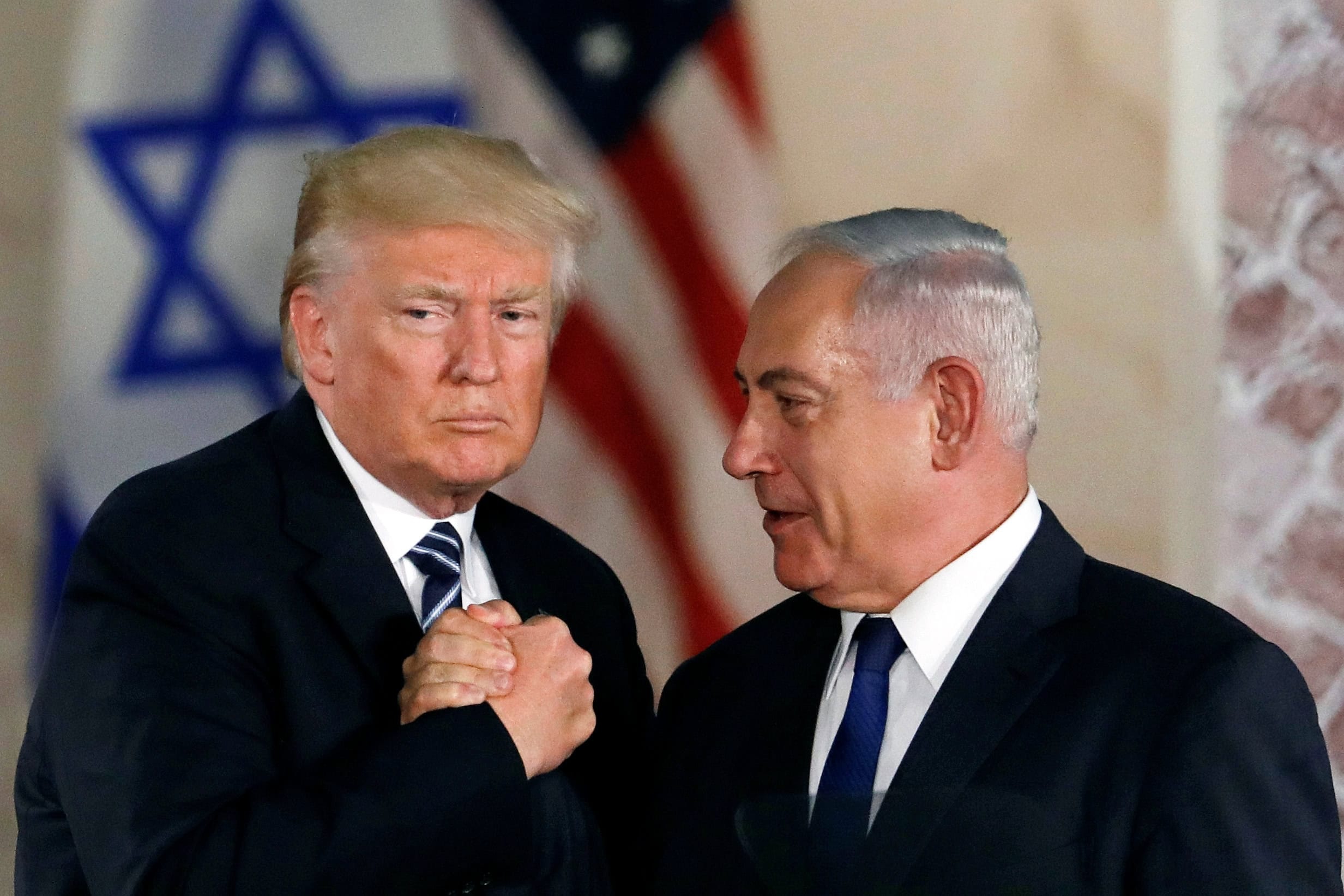
The move, authorised by the administration of Donald Trump, allows weapons to be sent to key partners including Israel, Qatar, Kuwait and the United Arab Emirates.
U.S. Secretary of State Marco Rubio invoked an emergency provision to push the deals through immediately, sidestepping the usual congressional review process.
The decision has drawn criticism from Democratic lawmakers, who argue it undermines oversight.

The weapons package includes advanced rocket systems for Israel, Qatar and the UAE, as well as air defence systems for Qatar and Kuwait.
A major part of the deal involves Qatar purchasing Patriot missile interceptors worth over $4 billion systems that have been heavily used during the recent conflict and are now in short supply.
The arms transfers come in the aftermath of intense fighting during the U.S.-Israeli war with Iran, where Gulf countries and Israel were repeatedly targeted by Iranian missiles and drones.
Several civilian and military casualties were reported across the region, alongside damage to infrastructure.
Although a ceasefire is currently in place, efforts to reach a long-term agreement have stalled.
Both Washington and Tehran remain far apart on key issues, particularly Iran’s nuclear programme.
Tensions are also high in the Strait of Hormuz, a critical route for global energy supplies.
Iran has disrupted Western shipping in the area, while the U.S. has responded with a blockade of Iranian ports raising fears of a renewed confrontation.
Back in Washington, critics say the administration’s repeated use of emergency powers to approve arms sales reflects a pattern of bypassing legal checks.
Supporters, however, argue the move is necessary to protect U.S. interests and strengthen allies facing ongoing threats.
For now, the weapons may take time to reach the region, as production constraints and depleted stockpiles continue to challenge U.S. military supply chains.




