


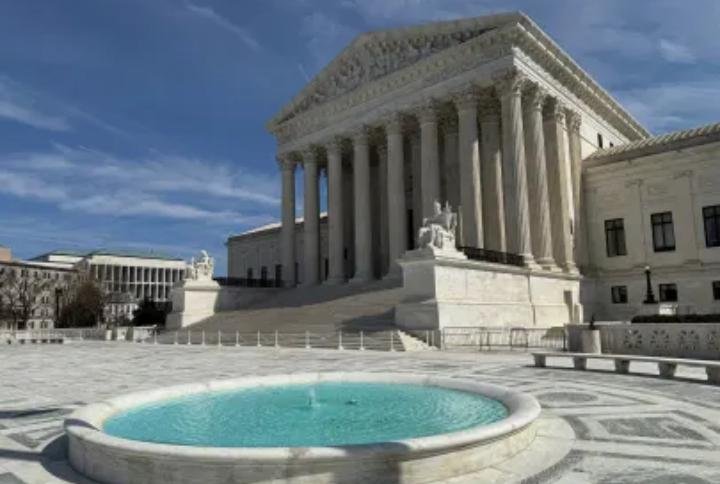
WASHINGTON, UNITED STATES – The United States Supreme Court has issued a series of recent decisions in favour of death row inmates, marking a notable pattern in cases involving capital punishment appeals and raising fresh debate over judicial standards in death penalty proceedings.
In the latest ruling, the Supreme Court sided with a Florida death row inmate who had been blocked from challenging his sentence despite findings that a key prosecution witness had lied under oath during trial proceedings.
The Supreme Court, Supreme Court of the United States, issued an unsigned opinion overturning a lower court decision that had supported the state’s position. The justices ruled that the federal appeals court improperly relied on DNA evidence that had not been presented during the original trial, ordering the case to be reconsidered.
The decision was made over dissent from two conservative justices, highlighting divisions within the court on how death penalty appeals should be handled.

Series Of Similar Rulings
The ruling is the third recent instance in which the Supreme Court has intervened in favour of inmates sentenced to death, signalling increased judicial scrutiny of capital punishment cases.
In a separate case last week, the court ruled in favour of a Black death row inmate in Mississippi who alleged that prosecutors engaged in racial bias during jury selection by excluding Black jurors.
Earlier, the court also allowed a lower court ruling to stand that prevented the execution of an Alabama inmate, after findings suggested he may be intellectually disabled and therefore ineligible for capital punishment under constitutional protections.
Rising Scrutiny On Death Penalty Cases
Legal analysts say the recent rulings reflect a broader willingness by some justices to closely examine procedural fairness in capital cases, even in instances where lower courts had previously upheld convictions and sentences.
The decisions have also reignited debate in the United States over the fairness of the death penalty system, particularly in relation to claims of racial bias, unreliable testimony, and new forensic evidence.
Supporters of stricter review standards argue that capital punishment requires the highest level of legal certainty due to its irreversible nature, while critics warn that repeated interventions could slow down the justice process and burden lower courts.
Divided Judicial Opinions
While some conservative justices have expressed concern over reopening settled cases, others on the court have supported broader review rights for inmates seeking to challenge their convictions.
The latest rulings underscore these internal divisions, with split opinions reflecting differing judicial philosophies on finality versus fairness in capital punishment cases.
Outlook
As more death penalty cases reach the Supreme Court, observers expect continued legal debate over evidentiary standards, prosecutorial conduct, and constitutional protections in capital sentencing.
The court’s recent actions suggest that scrutiny of capital punishment cases is likely to remain a significant feature of its current term.




