


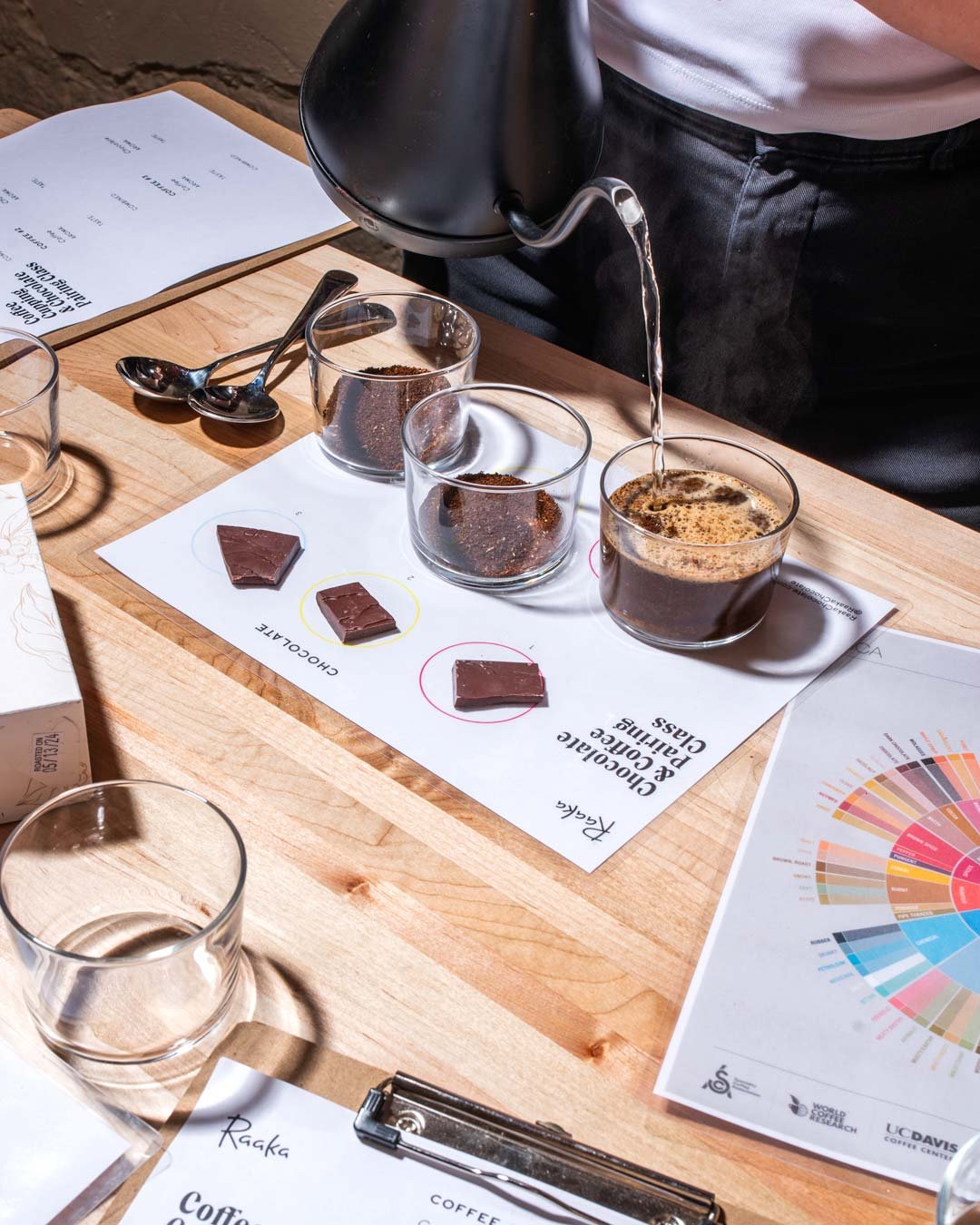
Imagine walking into a coffee shop on your way to work. The rich aroma of freshly brewed coffee fills the air, soft music plays in the background, people tap away on laptops, friends laugh over conversations, and someone patiently waits for their favorite latte with their name scribbled across the cup. A few minutes later, you walk out after spending nearly ₦8,000 on a single cup of coffee.
Now imagine someone standing beside you saying, “You know you could make this at home for less than ₦500.”
Technically, they’re right.
But if it were really just about coffee, many of these cafés would have closed their doors years ago.
According to discussions across online communities and consumer opinions reviewed by DDM News, the real product people buy isn’t always the coffee itself. More often than not, they’re paying for an experience, a feeling, convenience, and sometimes even a temporary escape from everyday life.
That explains why despite constant reminders about saving money by brewing coffee at home, premium coffee chains and independent cafés continue attracting millions of customers every single day.
The biggest misconception people have is assuming coffee shops sell coffee.
In reality, they sell moments.
For some customers, buying coffee is part of their daily routine. It signals the beginning of a productive workday. For others, it’s the reward they give themselves after surviving a stressful meeting or completing a difficult task. It becomes a ritual that provides consistency in an otherwise unpredictable day.
Psychologists have long observed that humans naturally create routines because familiar habits provide comfort and reduce mental stress. That morning stop for coffee may seem unnecessary to someone watching from outside, but to the person buying it, it’s an important part of maintaining balance.
Then there’s the social side of coffee culture.
Coffee shops have quietly become one of the world’s most popular meeting places. Business discussions happen over cappuccinos. First dates begin with iced lattes. Freelancers work from café tables for hours. Friends reconnect over pastries and espresso. Even people who live alone often visit cafés simply to be around other people without feeling obligated to socialize.
The purchase isn’t just about drinking coffee.
It’s about buying access to an environment.
Think about it.
Very few people invite clients to discuss million-naira business deals inside their kitchen.
The atmosphere itself has value.
Modern coffee shops invest heavily in interior design, lighting, comfortable seating, music, cleanliness, air conditioning, reliable internet, and customer service. Every one of those elements adds to the overall experience, and naturally, customers help pay for them through the price of each cup sold.
That’s why comparing homemade coffee to café coffee is a bit like comparing watching a football match alone in your bedroom to watching it in a lively sports lounge. Both let you see the same game, but the experience feels completely different.
Taste also plays a surprisingly important role.
Many coffee lovers admit they can prepare excellent coffee at home, yet they still visit their favorite cafés because each shop develops its own roasting techniques, brewing methods, milk textures, syrups, and recipes that are difficult to replicate consistently.
Independent cafés, in particular, often build loyal customers because their drinks have unique flavors that become part of the customer’s routine.
Of course, not everyone agrees the difference justifies the price.
Critics argue that the mathematics simply doesn’t make sense.
A single bag of quality coffee beans can produce dozens sometimes even more than one hundred cups of coffee at home. When calculated per serving, homemade coffee often costs only a fraction of what cafés charge.
From a purely financial perspective, brewing at home wins comfortably.
This argument becomes even stronger when people point out that many coffee chains charge enormous markups, not because the ingredients are especially expensive, but because customers are paying for branding, convenience, staff salaries, rent, equipment, utilities, and the overall café experience.
In other words, the coffee itself isn’t what costs ₦8,000.
Everything surrounding it does.
Still, the popular advice to “just make coffee at home” isn’t always as practical as it sounds.
Life isn’t lived on spreadsheets.
Someone rushing to work at 6:30 a.m. may not have time to grind beans, heat milk, clean equipment, and prepare specialty coffee before heading out.
Others may not own coffee machines capable of producing café-quality drinks.
Some live in shared apartments where kitchen access is limited.
Others simply enjoy stepping outside for a few peaceful moments before beginning another demanding day.
These realities explain why many people believe financial advice should consider individual lifestyles instead of assuming everyone has the same circumstances.
Another interesting observation is that eliminating every small pleasure in the name of saving money doesn’t automatically lead to happiness.
Yes, consistently spending ₦8,000 every weekday on coffee can significantly affect a monthly budget.
But cutting out every enjoyable habit may also reduce motivation, social interaction, and overall quality of life.
Many financial experts therefore recommend balance rather than extremes.
Instead of buying expensive coffee every single day, they suggest treating it as an occasional reward.
That approach allows people to enjoy both financial discipline and life’s simple pleasures without feeling deprived.
Interestingly, coffee businesses themselves aren’t always making huge profits despite premium prices.
Running a café involves expensive commercial espresso machines, skilled baristas, rent in busy locations, rising ingredient costs, electricity, maintenance, wages, marketing, taxes, and fierce competition.
Industry insiders often explain that many independent cafés operate on surprisingly thin profit margins, and some struggle to remain profitable despite serving hundreds of customers each day.
That reality often surprises consumers who assume every expensive latte automatically translates into massive profits.
Perhaps the biggest lesson from the coffee debate is that value means different things to different people.
One customer sees ₦8,000 disappearing from their wallet.
Another sees an hour of peace before work.
One sees overpriced coffee.
Another sees a comfortable workspace with fast internet, air conditioning, and a relaxing atmosphere.
Neither perspective is completely wrong.
They’re simply measuring value differently.
As DDM News found while examining consumer discussions, people rarely buy products based solely on production cost. They buy based on emotion, convenience, identity, experience, and how a purchase makes them feel.
It’s the same reason people choose restaurants instead of cooking every meal at home, book hotel stays instead of sleeping in their own beds while traveling, or visit cinemas instead of waiting for movies to appear on streaming services.
The experience becomes part of the product.
So, should everyone stop buying expensive coffee?
Not necessarily.
If your goal is saving as much money as possible, home brewing remains the clear winner. The savings over a year can be substantial.
But if an occasional café visit gives you a productive workspace, meaningful conversations, a refreshing change of environment, or simply ten quiet minutes to yourself before facing a busy day, then perhaps you’re buying far more than coffee.
You’re buying a moment.
And sometimes, that moment is exactly what people believe is worth paying for.




