


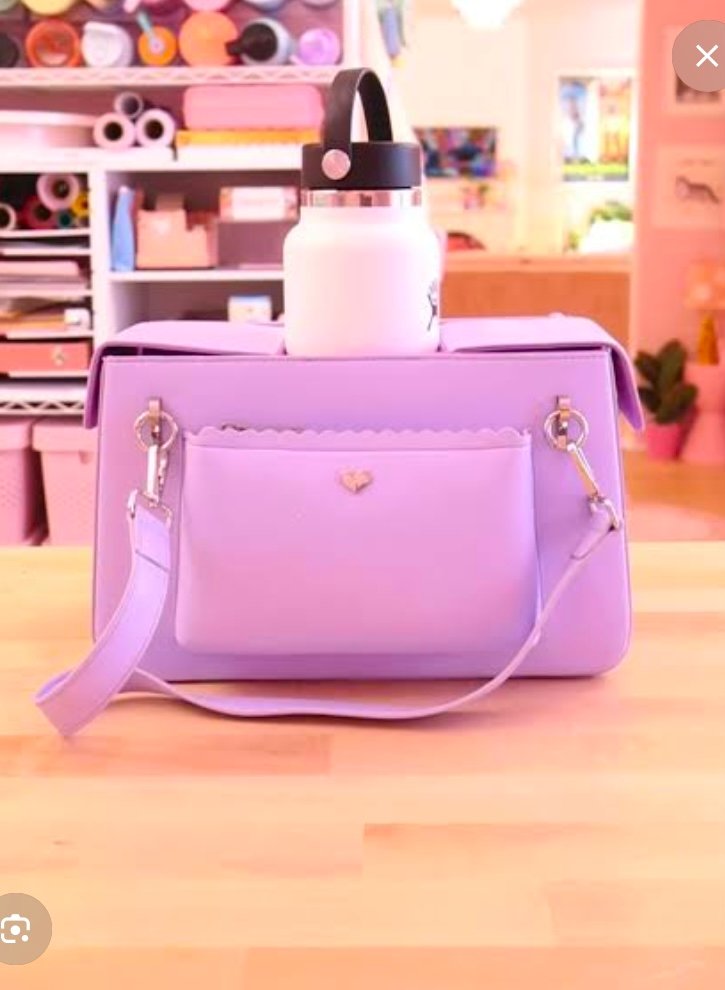
Imagine walking into a luxury boutique and falling in love with a handbag that costs more than a brand-new car. Your heart races, your eyes sparkle, and after a brief conversation with your bank account, which strongly objects, you somehow convince yourself that this tiny masterpiece is worth every naira. You finally take it home, eager to show it off, only to discover that it can barely fit your phone, wallet, lipstick, car keys, and certainly not the bottle of water you desperately need on a hot afternoon. Congratulations! You have officially entered the fascinating world of luxury designer handbags, where size doesn’t always matter, but the price tag certainly does.
For many people, this sounds unbelievable. Why would anyone spend millions of naira on a bag that appears too small to carry everyday essentials? It is a question that has sparked endless debates across social media, fashion circles, and family gatherings. Some people see luxury handbags as works of art, while others believe they are simply expensive ways of carrying absolutely nothing. Somewhere in the middle are those who secretly admire them but hope the price drops by about 99.9 percent.
The luxury fashion industry, however, understands something that many outsiders overlook. Designer bags are rarely sold as ordinary accessories. They are marketed as symbols of craftsmanship, exclusivity, heritage, status, and timeless elegance. When customers purchase certain luxury handbags, they are often buying much more than leather and stitching. They are buying history, identity, prestige, and, for some, a lifelong dream.
Fashion has always reflected more than personal style. Throughout history, clothing and accessories have communicated wealth, social standing, profession, and even cultural identity. Long before social media existed, people used fashion to send silent messages without speaking a single word. Today’s luxury handbags continue that tradition, only with much higher price tags and significantly better packaging.

Luxury brands invest years building reputations that extend far beyond their products. Many iconic fashion houses have existed for over a century, earning global recognition through exceptional craftsmanship, limited production, and meticulous attention to detail. Every stitch, clasp, handle, and leather selection is carefully designed to create products that represent excellence rather than convenience.
Of course, convenience sometimes leaves the conversation entirely.
Some designer handbags are so compact that owners jokingly celebrate whenever their phone actually fits inside. Others require strategic packing skills worthy of professional puzzle solvers. Wallet? Maybe. Lipstick? Possibly. Sunglasses? Better start negotiating. Water bottle? Absolutely not. Apparently, hydration is expected to travel separately.
Yet despite these practical limitations, demand continues to grow.
The reason lies largely in psychology.
Luxury goods create emotional value that often exceeds their functional value. Owning an exclusive handbag provides many consumers with confidence, personal satisfaction, and a sense of achievement. For some, purchasing a luxury accessory marks years of hard work, career success, or an important life milestone. It becomes less about carrying personal belongings and more about celebrating personal accomplishments.
Social media has amplified this phenomenon tremendously. Platforms like Instagram, TikTok, and Pinterest have transformed designer handbags into highly visible lifestyle symbols. A carefully styled photo featuring a recognizable luxury bag instantly communicates elegance, aspiration, and financial success to online audiences. Whether those assumptions reflect reality is another matter entirely, but perception has become one of fashion’s most valuable currencies.
Influencers and celebrities have also played a major role in increasing demand. Every public appearance featuring a new designer handbag generates headlines, online discussions, fashion analyses, and countless shopping searches. Before long, waiting lists grow longer, resale prices increase, and the desire to own that particular bag becomes even stronger.
Scarcity plays an equally powerful role.
Unlike mass, market fashion, many luxury brands intentionally limit production. Certain handbags are available only through invitation lists, exclusive boutiques, or carefully controlled releases. Human psychology has always valued what feels difficult to obtain. The harder something is to buy, the more desirable it often becomes.
This strategy has turned several luxury handbags into investment assets rather than simple fashion accessories. Some rare models actually increase in value over time, attracting collectors who treat handbags similarly to fine art, vintage watches, or classic automobiles. It may sound surprising, but in some cases, a handbag sitting safely inside a dust bag appreciates faster than money sitting quietly in a traditional savings account.
That said, not every expensive handbag is a profitable investment. Trends change, markets fluctuate, and consumer preferences evolve. Experts often remind buyers that luxury fashion should first bring personal enjoyment rather than guaranteed financial returns.
The booming resale market has further transformed the business. Pre-owned luxury handbags now attract millions of buyers who appreciate authenticity, sustainability, and lower prices compared to purchasing brand-new pieces. Digital marketplaces have made it easier than ever for consumers to buy, sell, and authenticate luxury accessories, creating an entirely new segment within the global fashion economy.
Meanwhile, many independent designers and local fashion entrepreneurs are learning valuable lessons from luxury brands. They recognize that successful businesses are built not only on attractive products but also on compelling storytelling, exceptional customer experiences, consistent branding, and emotional connections with buyers. People rarely become loyal to products alone—they become loyal to the stories those products represent.
Of course, there remains an amusing contradiction that never fails to entertain observers. Someone may own a handbag worth several million naira while still asking a friend, “Please help me hold my water bottle.” Imagine spending enough money to buy a small apartment in some places, only to discover that your snack has to travel in someone else’s backpack. Fashion truly has a remarkable sense of humor.
Still, judging luxury handbag owners solely by practicality would miss the bigger picture. People spend money on experiences, hobbies, artwork, vacations, jewelry, classic cars, and countless other items that cannot always be measured by usefulness alone. Fashion belongs in that same category for many enthusiasts. Joy, confidence, and personal expression rarely come with mathematical formulas.
Consumer behavior continues to evolve as younger generations become more conscious about sustainability, ethical production, and value for money. Many shoppers now prefer purchasing fewer, higher-quality accessories that last for decades rather than repeatedly replacing cheaper alternatives. Others support local designers producing handcrafted bags with outstanding quality at more accessible prices. Both approaches reflect a growing awareness that style does not always require following every trend.
As DDM News continues to monitor developments within the global fashion business, one reality stands out clearly: luxury is no longer defined only by price. Today’s consumers increasingly value craftsmanship, authenticity, durability, and emotional meaning alongside prestige. Fashion companies that successfully combine these qualities are likely to remain influential for generations.
So, why do people willingly spend millions on designer bags that cannot even hold a water bottle? The answer is surprisingly simple. They are not paying for storage space. They are paying for artistry, heritage, exclusivity, confidence, and the emotional satisfaction that comes with owning something they deeply admire. Whether everyone agrees with that decision is another conversation entirely.
- As DDM News observes, the luxury handbag business is proof that value often exists in the eyes of the buyer rather than the size of the bag. After all, fashion has never promised to be logical. It promises to make people feel something. And if a tiny handbag that struggles to accommodate a bottle of water can still make someone smile every time they carry it, perhaps that little bag is carrying far more than its size suggests. Besides, water bottles can always travel in the car, but confidence, for many fashion lovers, is something they prefer to carry on their shoulder.




