


For years, owning a physical shop was considered one of the clearest signs that a small business was serious. Entrepreneurs saved money for rent, searched for a good location, designed signboards and stocked their shelves with products in the hope that customers would walk through the door. In busy Nigerian markets and commercial streets, the physical shop remained at the centre of retail business.
Today, that picture is changing.
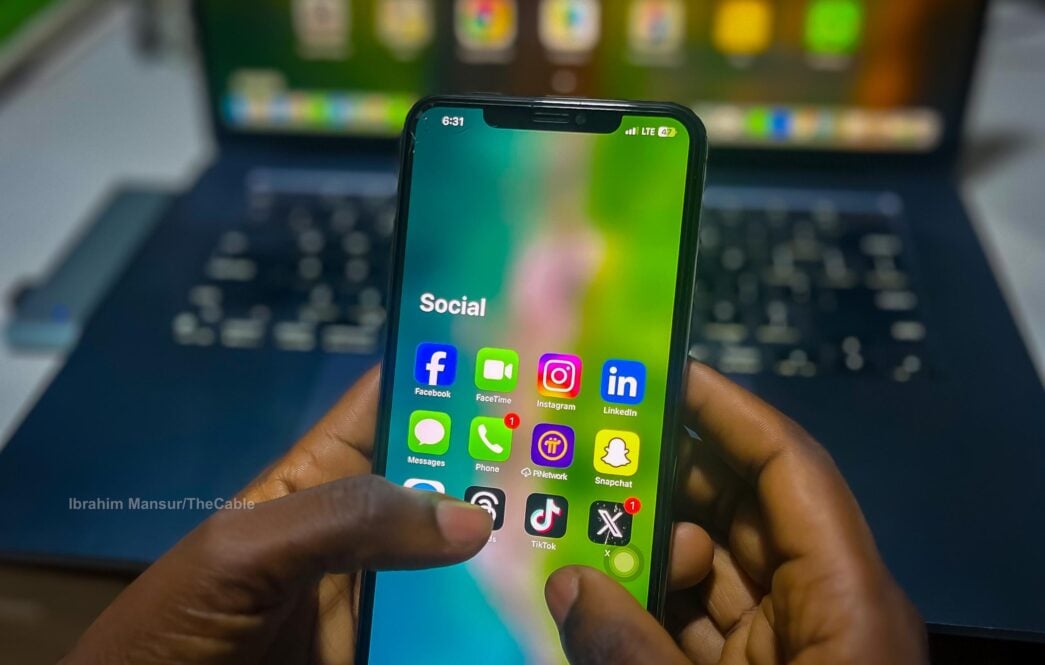
Across Nigeria, an increasing number of small business owners are turning their phones into storefronts, using platforms such as Instagram, TikTok, WhatsApp and Facebook to showcase products, communicate with customers and complete sales. For some entrepreneurs, social media is no longer simply a place for advertising. It has become the shop itself.
The movement is being driven by a combination of rising operating costs, changing consumer behaviour, increased smartphone usage and the desire of entrepreneurs to reach customers beyond their immediate neighbourhoods. A fashion designer in Lagos can display a new collection to customers in Abuja. A baker in Enugu can receive orders from customers through WhatsApp. A small skincare business in Anambra can promote its products through TikTok videos and arrange deliveries to buyers in other states.

This ability to reach customers without being restricted by physical location has made social media particularly attractive to small businesses.
One of the biggest reasons entrepreneurs are making this transition is the cost of maintaining a physical shop. Rent, electricity, security, transportation, furniture, decoration and other operating expenses can put significant pressure on a small business, especially when the business is still trying to establish itself.
For a new entrepreneur, spending a large amount of money on a shop before developing a reliable customer base can be risky. Social media provides an alternative that allows business owners to begin marketing their products without immediately committing to the full cost of a traditional retail space.
This does not mean that running a business online is free. Entrepreneurs still have to pay for internet access, packaging, delivery, content creation, advertising and other services. However, the flexibility of operating online can make it easier for a small business to start with limited resources.
Another major reason for the shift is the changing way Nigerians discover products. Consumers increasingly come across businesses while scrolling through social media rather than deliberately visiting a market or shopping street.
A person watching a TikTok video may discover a fashion brand. Someone browsing Instagram may come across a new restaurant. A WhatsApp status can introduce a customer to a business they had never heard of before.
This has changed the traditional relationship between advertising and shopping.
In the past, businesses often had to bring customers to their location. Now, social media allows businesses to take their products directly to where potential customers are already spending time.
Visual presentation has become particularly important. Fashion, beauty, food, interior decoration, accessories and other visually driven businesses can use photographs and short videos to demonstrate their products. A well-produced video can show how a dress fits, how a meal is prepared or how a product is used.
TikTok and Instagram have made this especially powerful because content can reach people who are not already following a particular business. When a video performs well, it can expose a small brand to thousands of potential customers.
For entrepreneurs, this creates an opportunity that was previously difficult to achieve without a significant advertising budget.
Social media has also made customer interaction more immediate. Customers can ask questions through direct messages, comment on posts, request prices and receive updates without physically visiting a shop.
WhatsApp has become especially useful for small businesses because it combines communication, product sharing and customer relationship management in one familiar platform. Many entrepreneurs use status updates to announce new products, promotions, discounts and available services.
The personal nature of social media can also help businesses build trust. Customers want to know who is behind the business, see evidence that products are genuine and hear from people who have already purchased from the brand.
Entrepreneurs can use customer reviews, testimonials, behind-the-scenes videos and packaging content to demonstrate that their businesses are active and reliable.
This is particularly important in Nigeria, where online customers may be cautious about making payments to businesses they have never encountered physically. A consistent online presence can help create familiarity and credibility.
However, the shift to social media does not mean every online business automatically succeeds. Competition is intense, and thousands of businesses may be selling similar products. Simply opening an Instagram account or posting occasionally is no longer enough.
Entrepreneurs now have to think about branding, content quality, customer service and consistency.
A business may have an excellent product but still struggle to attract customers if its social media page is poorly presented or if messages are ignored for several days. On the other hand, a small business with limited resources can sometimes compete successfully by understanding its audience and communicating effectively.
This has created demand for new skills among Nigerian entrepreneurs. Business owners are increasingly learning photography, video editing, social media management, digital marketing, copywriting and online customer service.
Some are learning these skills themselves, while others are hiring young digital professionals to help manage their online presence.
The growth of social commerce is also changing the role of delivery services. A customer no longer necessarily needs to visit the seller’s location. Once an order is confirmed, the product can be packaged and sent through a dispatch rider or logistics company.
This has made it possible for businesses without prominent physical locations to serve customers across wider geographical areas.
For many entrepreneurs, this means their market is no longer limited to the people living close to their shop.
DDM News observes that the movement from physical shops to social media reflects a larger transformation in Nigeria’s business environment. Entrepreneurs are increasingly looking for business models that allow them to reduce unnecessary costs while reaching more customers.
The shift is also creating opportunities for home-based businesses. Someone who produces cakes, clothes, accessories, skincare products or handmade items from home can market those products online without necessarily maintaining a permanent storefront.
For young Nigerians in particular, this model can provide a starting point for entrepreneurship. Rather than waiting until they have enough money to rent a shop, they can begin by creating a digital presence, building an audience and gradually developing their customer base.
However, social media businesses face their own challenges. Internet costs, changing platform algorithms, online fraud, fake accounts, delivery problems and unreliable customers can affect business operations.
There is also the problem of dependence on third-party platforms. An entrepreneur who builds an entire business around one social media platform has limited control over changes to its algorithm, policies or visibility.
This means successful businesses may eventually need to develop multiple channels, including websites, email lists, physical distribution points or other platforms, rather than depending entirely on one social network.
Another important issue is customer service. Online customers expect fast responses, accurate information and reliable delivery. Poor communication can quickly damage a business’s reputation because dissatisfied customers can share their experiences publicly.
As competition increases, the businesses likely to stand out will not necessarily be those with the largest number of followers. Instead, customers may increasingly favour businesses that consistently provide quality products, transparent pricing, responsive communication and dependable service.
The physical shop, meanwhile, is unlikely to disappear completely. Many established businesses are adopting a combination of physical and digital strategies. A shop can provide customers with a place to see products physically, while social media can attract customers and generate sales beyond the immediate location.
This combination gives businesses the advantages of both worlds.
A fashion brand, for example, may maintain a small showroom while using Instagram and TikTok to display new collections. A restaurant may operate a physical location while accepting orders through WhatsApp and promoting meals through social media. A beauty business may have a studio while using online content to educate customers and attract new clients.
The future of small-business retail in Nigeria may therefore not be about choosing between physical shops and social media. It may be about understanding how both can work together.
DDM News reports that the growing popularity of social commerce is changing the meaning of a storefront in Nigeria. For today’s entrepreneur, a storefront can be a physical shop on a busy street, a WhatsApp catalogue, an Instagram page, a TikTok account or a combination of all of them.
What matters most is the ability to reach customers, earn their trust and consistently deliver value.
As operating costs continue to influence business decisions and consumers become more comfortable discovering and purchasing products online, social media is likely to remain an important part of Nigeria’s small-business economy.
The entrepreneur of the future may not necessarily begin with a shop, shelves and a signboard. They may begin with a smartphone, a product, an internet connection and an idea.
And for thousands of Nigerian small businesses, that digital storefront is already becoming the new first point of contact between a brand and its customers.




