


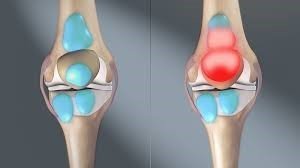
Joint pain is a common health complaint that affects people of all ages. It can range from mild discomfort that comes and goes to severe pain that limits movement and interferes with daily activities. While occasional joint pain may result from overuse or minor injuries, persistent pain should not be ignored.
Health experts say identifying the underlying cause is essential for proper treatment and preventing long-term joint damage.
What Is Joint Pain?
Joint pain refers to discomfort, soreness, or inflammation in any joint where two or more bones meet.
It can affect one joint or several joints at the same time.

Commonly affected joints include the:
- Knees.
- Hips.
- Shoulders.
- Hands.
- Fingers.
- Ankles.
Common Causes of Joint Pain
Osteoarthritis
The most common cause of joint pain is osteoarthritis, a condition in which the protective cartilage covering the ends of bones gradually wears away.
Rheumatoid Arthritis
This autoimmune disease causes the body’s immune system to attack the lining of the joints, leading to pain, swelling, and stiffness.
Gout
Gout occurs when uric acid crystals build up inside a joint, often causing sudden, intense pain in the big toe.
Joint Injuries
Sprains, fractures, dislocations, and ligament injuries can all cause temporary or long-lasting joint pain.
Bursitis
Bursitis is the inflammation of the fluid-filled sacs (bursae) that cushion the joints, commonly affecting the shoulder, elbow, or hip.
Tendinitis
Tendinitis is inflammation of a tendon, usually caused by repetitive movements or overuse.
Infections
Some bacterial or viral infections can cause painful, swollen joints and require prompt medical treatment.
Common Symptoms
Joint pain may be accompanied by:
- Swelling.
- Stiffness.
- Redness.
- Warmth around the joint.
- Reduced range of motion.
- Difficulty walking or using the affected joint.
- A grinding or clicking sensation.
The symptoms depend on the underlying cause.
Who Is Most at Risk?
Factors that increase the risk of joint pain include:
- Ageing.
- Obesity.
- Previous joint injuries.
- Repetitive physical activities.
- Family history of arthritis.
- Autoimmune diseases.
How Is Joint Pain Diagnosed?
A healthcare provider may recommend:
- A physical examination.
- Blood tests.
- X-rays.
- MRI or ultrasound.
- Joint fluid analysis if gout or infection is suspected.
These tests help determine the exact cause of the pain.
Treatment Options
Treatment depends on the underlying condition and may include:
- Rest and activity modification.
- Pain-relieving or anti-inflammatory medications.
- Physical therapy.
- Weight management.
- Joint injections in selected cases.
- Surgery for severe joint damage.
Early treatment often leads to better outcomes.
How Can You Protect Your Joints?
Health experts recommend:
- Maintaining a healthy weight.
- Exercising regularly.
- Strengthening muscles around the joints.
- Using proper lifting techniques.
- Wearing supportive footwear.
- Treating joint injuries promptly.
Healthy habits can reduce stress on the joints and improve mobility.
When Should You See a Doctor?
Seek medical advice if you experience:
- Joint pain lasting more than a few weeks.
- Severe swelling or redness.
- Fever with joint pain.
- Inability to move a joint.
- Pain following a serious injury.
Prompt medical evaluation can help prevent complications.
The Bottom Line
Joint pain can result from many conditions, including arthritis, gout, injuries, bursitis, and infections. While mild discomfort may improve with rest, persistent or severe pain should be evaluated by a healthcare professional. Early diagnosis, appropriate treatment, and healthy lifestyle habits can help relieve pain, protect the joints, and improve quality of life.
Disclaimer: This article is for informational purposes only and should not replace professional medical advice. Anyone experiencing persistent or severe joint pain should consult a qualified healthcare professional for proper diagnosis and treatment




