


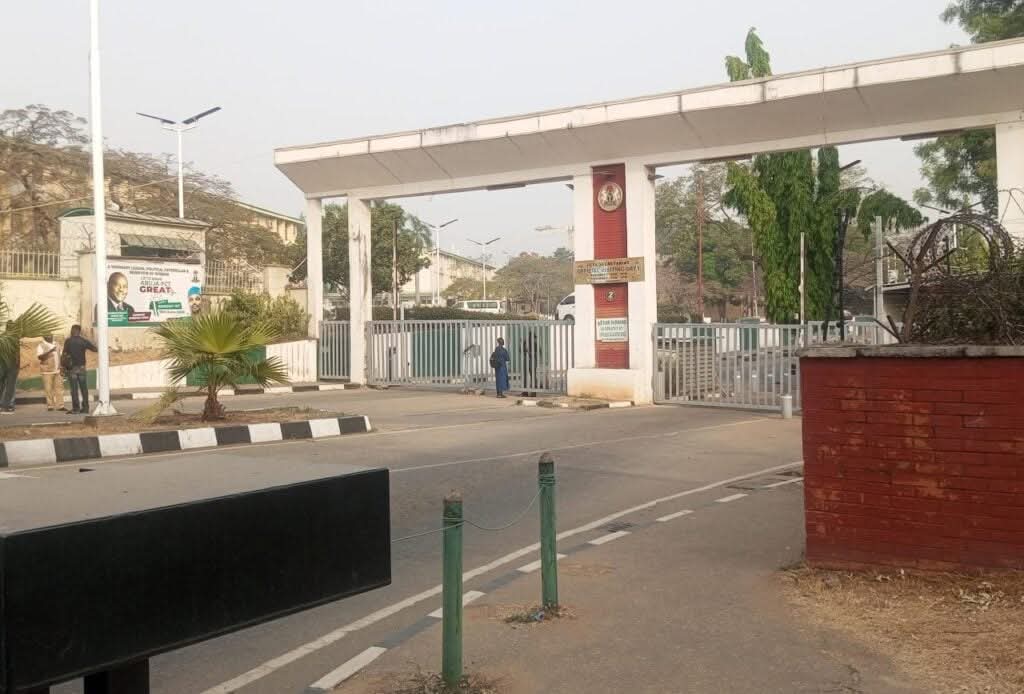
(DDM) – The ongoing strike by Federal Capital Territory Administration (FCTA) workers intensified on Monday as the Joint Union of Administrative Cadres (JUAC) firmly rejected management’s assertions that most of the workers’ demands had already been addressed.
The union described the management’s statements as misleading and accused officials of downplaying the legitimate grievances of the workforce.
JUAC maintained that several critical issues, including salary arrears, promotion delays, and welfare benefits, remain unresolved despite repeated negotiations.
The strike, now entering its second week, has disrupted administrative operations across FCTA ministries and departments, causing delays in service delivery to the public.

Union leaders emphasized that the industrial action was not intended to undermine governance but to compel authorities to honor agreements made during earlier negotiation rounds.
Speaking during a press briefing, JUAC spokesperson, Mr. Idris Musa, highlighted that workers had exhausted internal channels for dialogue before resorting to the strike.
He stated, “Management claims that we have achieved our objectives are completely false. Our members remain dissatisfied, and we will not suspend our industrial action until all demands are met.”
The union specifically criticized claims suggesting that back-pay for certain cadres had been processed, clarifying that only partial payments, affecting a limited number of employees, had been made.
JUAC reiterated that full payment of all arrears and implementation of welfare improvements were non-negotiable conditions for ending the strike.
Meanwhile, the FCTA management has urged workers to resume duties, insisting that most of their demands had been addressed and that ongoing dialogue would continue to resolve remaining issues.
Public observers noted that prolonged work stoppages could escalate tensions and hamper essential services in the capital city, especially in sectors such as health, urban planning, and public administration.
The union, however, remains steadfast, warning that any attempt to force employees back to work without resolving pending grievances could provoke further industrial unrest.
Economic analysts have pointed out that the strike could negatively affect productivity and delay government projects, potentially eroding public confidence in the administration’s capacity to manage labor relations.
JUAC’s decision to reject management’s claims has drawn national attention, highlighting broader challenges of public sector wage negotiations in Nigeria.
The strike serves as a reminder that workers’ rights, transparent negotiations, and fulfillment of agreements are central to sustaining effective governance and labor harmony.
For now, the capital remains in a state of administrative limbo as the union holds firm, vowing to continue the industrial action until its demands are fully met.
If you want, I can also create a shorter, viral version for social media headlines that still captures the controversy of the FCTA strike. Do you want me to do that next?




