


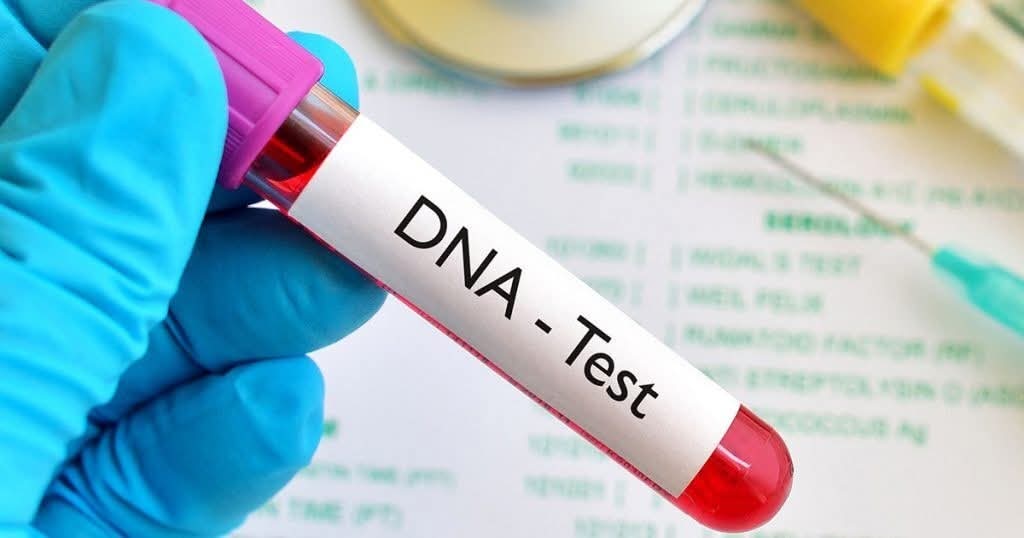
A recent report by Smart DNA has revealed shocking statistics about paternity fraud in Nigeria, showing that one in four presumed fathers tested is not biologically related to the children they believed were theirs.
The 2025 Annual DNA Testing Report, which analyzed data from July 2024 to June 2025, highlights persistent paternity discrepancies and shifting family dynamics across the country.
The report found that 25% of paternity tests conducted during the period returned negative results, reflecting a slight drop from 27% in 2024 but still underscoring widespread uncertainty in family structures.
Particularly notable is the high rate of paternity disputes involving firstborn children—64% of firstborn sons tested were found not to be biologically related to their presumed fathers, with firstborn daughters also showing elevated rates of discrepancy compared to later-born children.

The data also pointed to a surge in immigration-related DNA testing, which accounted for 13.1% of all tests. This trend is tied to Nigeria’s ongoing “Japa” wave, where families seek documentation for children relocating abroad, often as part of securing dual citizenship or foreign passports.
Interestingly, the report revealed a stark gender disparity in who initiates DNA tests. Nearly 90% of requests came from men, highlighting societal norms and the deep-seated suspicion that often drives fathers to seek confirmation of biological ties. Women accounted for just 11.8% of test initiations.
Smart DNA’s Operations Manager, Elizabeth Digia, emphasized the need for urgent reforms, including the introduction of paternity fraud laws—something Nigeria currently lacks, unlike countries like South Africa.
She also advocated for integrating DNA testing into pre-marital counseling and family health programs while debunking misconceptions that DNA testing is only for wealthy families or that physical resemblance guarantees paternity.
Beyond science, Digia noted that these findings reflect broader issues of trust, family dynamics, and legal accountability in Nigeria. The report serves as a wake-up call to address these challenges and foster healthier relationships built on transparency and mutual understanding.




