



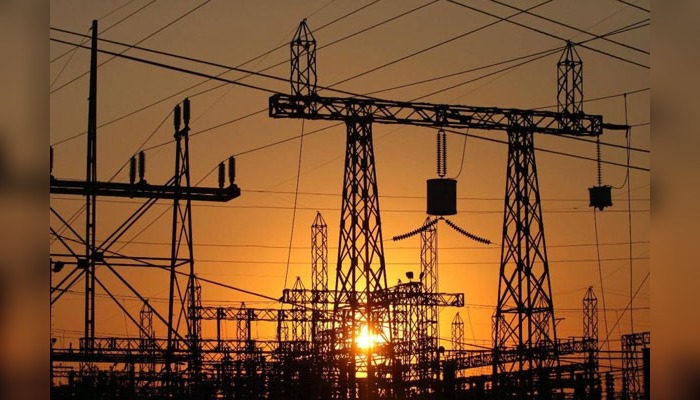
Nigeria’s long-troubled electricity sector has once again been plunged into crisis following the collapse of the national power grid, an incident that sent shockwaves across the country and left millions of homes, offices, hospitals and businesses in darkness. DDM NEWS can confirm that the latest system failure triggered a dramatic drop in electricity generation, plunging output from over 4,500 megawatts to an alarming low of just 24 megawatts by about 1:30pm, effectively crippling power supply nationwide.
Checks by DDM NEWS reveal that all 23 power generation companies connected to the national grid simultaneously lost output during the incident, resulting in zero power allocation to each of Nigeria’s 11 electricity distribution companies. The sudden and near-total shutdown underscored the vulnerability of the country’s centralised transmission system and once again exposed deep-seated structural weaknesses that have persisted despite years of reforms and repeated assurances by authorities.
As at the time of filing this report, the cause of the latest grid collapse had not been officially disclosed. Officials of the Transmission Company of Nigeria (TCN), which is responsible for managing the national grid, were yet to issue a detailed explanation, leaving consumers and industry stakeholders grappling with uncertainty and frustration. The silence has only intensified public anger, particularly among Nigerians who have endured years of erratic power supply and frequent system failures.
This incident marks the first national grid collapse recorded in 2026, coming barely weeks after a similar failure on December 29, 2025, which also triggered widespread blackouts across the country. The recurrence of such collapses within a short time frame has raised fresh concerns about whether lessons are truly being learned from previous incidents or whether the power sector is trapped in a cycle of breakdowns and reactive fixes.

DDM NEWS reports that Nigeria has experienced dozens of grid collapses over the past decade, with some years recording multiple partial or total system failures. While some collapses are classified as “partial,” where only sections of the grid are affected, others—like the latest incident—are total collapses, meaning the entire national grid shuts down. Each collapse disrupts economic activity, damages equipment, and erodes public confidence in the power sector.
Industry experts say the national grid’s fragility is the result of a complex mix of technical, operational and structural challenges. Among the most frequently cited causes are inadequate maintenance of ageing transmission infrastructure, weak system protection mechanisms, frequent fluctuations in power generation, and poor coordination between generation, transmission and distribution segments of the electricity value chain.
In recent years, grid collapses have also been linked to sudden load imbalances, where power generated does not match demand, leading to system instability. When such imbalances are not quickly corrected, protective systems automatically shut down parts of the grid to prevent damage, sometimes cascading into a full system collapse. According to power sector analysts, Nigeria’s grid lacks sufficient redundancy and resilience to absorb shocks, making it prone to repeated failures.
The latest collapse has once again drawn attention to the Transmission Company of Nigeria, which operates a grid that many experts argue is overstretched and outdated. Despite improvements in installed generation capacity over the years, the transmission network has struggled to keep pace, often becoming the weakest link in the power supply chain. While successive governments have announced ambitious plans to expand and modernise transmission infrastructure, implementation has been slow and uneven.
Stakeholders have repeatedly warned that without massive and sustained investment in transmission infrastructure, grid collapses will remain a recurring feature of Nigeria’s power landscape. They argue that the grid was never designed to handle the current level of demand, let alone future growth driven by population expansion, urbanisation and industrialisation.
Beyond technical issues, governance and funding challenges continue to plague the sector. Power sector operators often complain of liquidity constraints, with distribution companies unable to fully pay for energy received, leading to cash flow problems that affect maintenance and investment across the value chain. These financial pressures, analysts say, indirectly contribute to system instability by limiting the ability of operators to carry out routine upgrades and preventive maintenance.
The economic implications of the grid collapse are significant. For businesses, especially small and medium-scale enterprises, unreliable power supply translates into higher operating costs as they rely on diesel and petrol generators to stay afloat. Manufacturers, hospitals, schools and telecoms operators are particularly vulnerable, as even brief power disruptions can lead to financial losses, service interruptions and safety risks.
Households, meanwhile, continue to bear the brunt of the crisis. For many Nigerians, grid collapses mean hours or days without electricity, compounding the hardship caused by rising living costs and inflation. The latest outage has once again sparked outrage on social media, with citizens questioning why Africa’s largest economy still struggles to maintain a stable power grid.
DDM NEWS gathered that civil society groups and energy advocates are renewing calls for comprehensive reforms, including decentralisation of power supply through mini-grids and renewable energy solutions. They argue that reducing over-reliance on a single national grid could help mitigate the impact of system collapses and improve overall resilience.
There are also growing calls for greater transparency and accountability in the handling of grid failures. Experts insist that timely and detailed explanations of collapses, along with clear timelines for restoration and concrete preventive measures, are essential to rebuilding public trust. Without this, they warn, grid collapses will continue to be seen as symptoms of deeper institutional failures rather than isolated technical incidents.
As Nigerians await an official statement from the Transmission Company of Nigeria and other relevant authorities, the latest collapse has once again reignited debate about the future of the country’s electricity sector. For many observers, it serves as a stark reminder that despite decades of reforms, privatisation and policy promises, reliable power remains elusive.
DDM NEWS will continue to monitor developments surrounding the grid collapse, including restoration efforts, official explanations and policy responses. For now, the incident stands as yet another chapter in Nigeria’s long and troubled electricity story, raising urgent questions about whether meaningful change is finally on the horizon or whether grid collapses will remain an unfortunate norm in the years ahead.




