


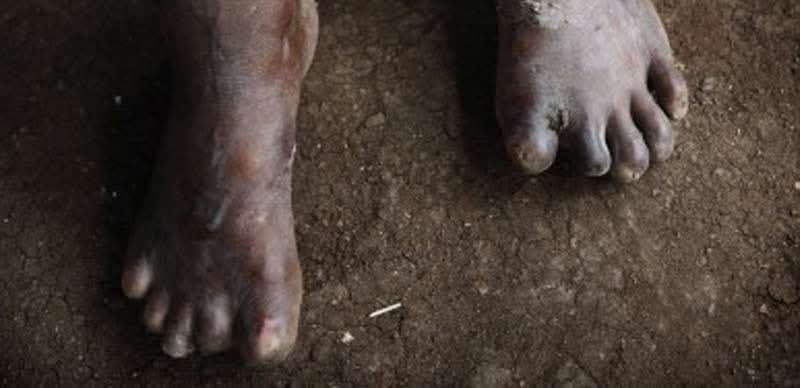
(DDM) – Kwara State has intensified its campaign against leprosy as the state marked World Leprosy Day with renewed commitments to disease control, public awareness, and stigma reduction.
The state government used the global health observance to highlight ongoing efforts aimed at early detection, treatment, and community education on leprosy.
Health authorities in Kwara stressed that leprosy remains a public health concern despite significant global progress in its management.
Officials explained that delayed diagnosis and social stigma continue to hinder effective control of the disease in some communities.

The state Ministry of Health led awareness activities across several local government areas to educate residents on the causes, symptoms, and treatment of leprosy.
Health educators emphasized that leprosy is a curable disease when detected early and treated appropriately.
Medical experts clarified that leprosy does not spread easily and that prolonged untreated contact remains the primary risk factor.
The government deployed health workers to conduct sensitization programs in rural and semi-urban communities.
These programs focused on dispelling myths and misconceptions that often lead to discrimination against affected persons.
Kwara health officials encouraged residents to seek medical attention immediately when they notice persistent skin lesions or numbness.
They explained that early reporting prevents complications and reduces transmission within households and communities.
The state also strengthened its disease surveillance system to improve early case detection and accurate reporting.
Officials confirmed that health facilities across Kwara continue to provide free diagnosis and treatment for leprosy patients.
The government partnered with community leaders and civil society organizations to promote acceptance and social inclusion of persons affected by leprosy.
Traditional rulers and religious leaders participated in advocacy efforts to reinforce positive messaging at the grassroots level.
They urged residents to show compassion and support rather than fear and rejection.
Health authorities stressed that stigma remains one of the biggest obstacles to eliminating leprosy.
They warned that discrimination discourages patients from coming forward for diagnosis and treatment.
The state government reaffirmed its commitment to aligning with national and global strategies to eliminate leprosy.
Officials noted that Nigeria continues to record new cases annually, making sustained intervention necessary.
Kwara’s health sector leadership highlighted progress recorded through community-based screening and treatment programs.
They disclosed that targeted outreach initiatives have improved access to healthcare services in hard-to-reach areas.
The state also intensified training programs for health workers to enhance their capacity to identify early symptoms of leprosy.
Medical professionals received updated guidelines on diagnosis, treatment protocols, and patient counseling.
World Leprosy Day provided an opportunity to evaluate existing policies and strengthen intervention frameworks.
Health officials called for increased funding and stakeholder collaboration to sustain progress.
They emphasized that ending leprosy requires a multi-sectoral approach involving health, education, and social welfare systems.
The government encouraged survivors of leprosy to share their stories to inspire others to seek help without fear.
Advocates stressed that reintegration and rehabilitation of affected persons remain critical to restoring dignity and livelihoods.
Kwara State reiterated that no resident should suffer exclusion or neglect due to a preventable and treatable disease.
Officials pledged to continue awareness campaigns beyond World Leprosy Day to ensure lasting impact.
They urged communities to support government efforts by reporting suspected cases and rejecting discriminatory practices.
The state concluded that eliminating leprosy and its stigma remains achievable through collective responsibility, sustained commitment, and informed action.




