


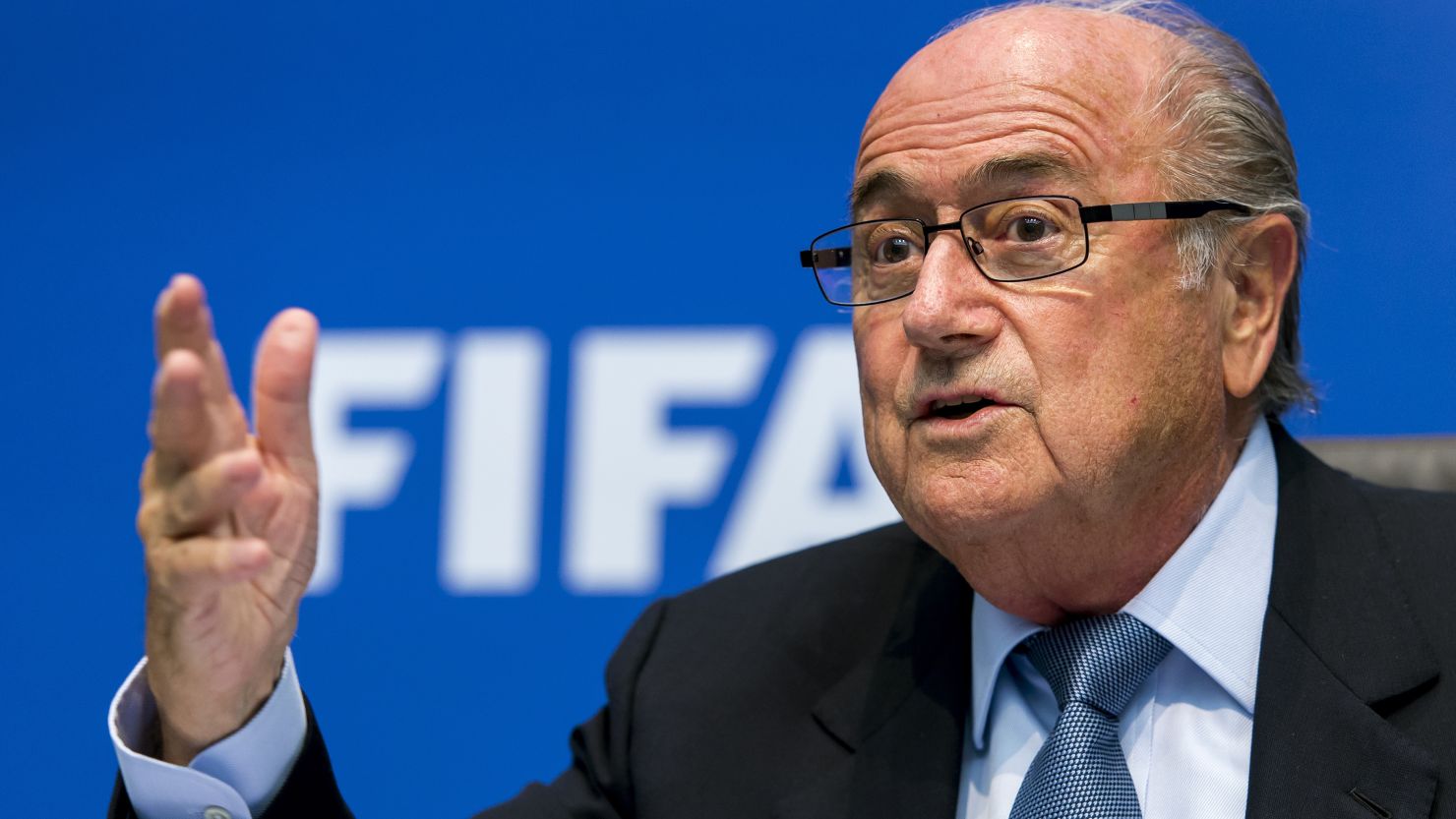
In an unprecedented and polarising intervention just months ahead of the kickoff of the 2026 FIFA World Cup, former FIFA president Sepp Blatter has publicly backed calls for football fans around the world to boycott matches staged in the United States, citing profound concerns about security, immigration enforcement and the broader sociopolitical climate in the host nation. Blatter’s stance has catapulted the debate into the global spotlight, adding weight to a growing chorus of critics who question the suitability of the U.S. as a venue for the sport’s most celebrated tournament.
Blatter, who led the Fédération Internationale de Football Association (FIFA) from 1998 until 2015, made his views known in a post on social media platform X on January 26, endorsing comments made by Swiss anti-corruption lawyer and former FIFA reform advisor Mark Pieth. In the interview that triggered the controversy, Pieth urged supporters not to travel to the United States for the tournament, urging them to “stay away from the USA” when the World Cup begins on June 11, 2026. Blatter echoed this sentiment and declared that Pieth’s concerns were legitimate.
“For the fans, there’s only one piece of advice: stay away from the USA,” Blatter said, adding that Pieth was right to question the World Cup’s staging in the U.S. He extended the argument, suggesting that watching matches on television might be a safer and more prudent way for global supporters to engage with the event.
The 2026 World Cup, set to be co-hosted by the United States, Canada and Mexico, is unique in scale and ambition, featuring 48 teams and matches spread across 16 cities — the majority of them in the United States. It is anticipated to draw millions of fans from around the world. Yet, behind the excitement about the expanded format lies a vortex of controversy that has turned the spotlight away from purely sporting considerations to pressing geopolitical and human rights concerns.

Blatter’s remarks come on the heels of a wave of criticism from various quarters relating to the United States’ domestic policies under President Donald Trump’s administration. Among the issues fuelling anxiety are strict immigration enforcement practices, travel bans affecting citizens of several countries, and violent incidents tied to immigration operations, particularly in cities such as Minneapolis. Reports of deaths during enforcement actions have sparked widespread protests and renewed debate about civil liberties in the United States.
Pieth’s call for fans to stay away specifically cited recent deaths linked to immigration enforcement and raised concerns about the possibility that visiting fans — especially from Africa, the Middle East, and the Caribbean — might face heightened scrutiny upon entry or risk deportation under stringent U.S. policies. Blatter’s endorsement of those remarks gave additional prominence to the argument, propelling the boycott conversation from niche commentary into mainstream global discourse.
This is not the first time the appropriateness of the United States as a World Cup host has been questioned. German soccer officials, including a vice president of the German Football Federation, have openly supported the notion that the global football community should revisit or at least seriously consider a boycott. Their concerns extend to perceived geopolitical postures taken by the U.S. administration, including contentious foreign policy moves and domestic political polarisation.
Critics also point to the Trump administration’s expansionist rhetoric on issues including Greenland and its history of travel restrictions, which have historically complicated international travel for fans and teams alike. During the bidding and planning phases, concerns were raised about the potential impact of U.S. immigration laws on international attendance and seamless participation by all qualified teams and their supporters.
For many observers, the suggested boycott is about more than individual safety; it speaks to broader questions about what the World Cup represents in a globalised era. Traditionally, the tournament has been celebrated as a unifying force, an event that bridges cultures and brings nations together through sport. Yet the current debate underscores how geopolitical tensions and domestic governance issues in host nations can cast long shadows over even the most apolitical arenas of international competition.
While Blatter’s comments have elicited both support and sharp criticism, FIFA leadership has not indicated any intention to reconsider the U.S.’s role as a host. FIFA President Gianni Infantino, who succeeded Blatter in 2016, has previously emphasised the importance of inclusivity in global football and the logistical and cultural opportunities presented by hosting in North America. He has argued that access for all teams, officials and fans is fundamental to the integrity of the World Cup.
Supporters of the boycott call assert that the current warnings are grounded in genuine concern for global fans’ safety and dignity, rather than isolated political disagreement. They argue that the values of football — unity, equality and shared humanity — must align with the conditions in which the sport’s marquee event is staged. For many, the idea of cheering in stadiums must not be overshadowed by fears of political repression or unsafe travel conditions.
However, detractors of the boycott contend that the idea, while emotive, is impractical and unlikely to gain widespread traction. They point to the logistical challenges of mobilising a mass boycott, the entrenched financial and planning commitments of host cities, and the complexity of disentangling sport from politics in an increasingly interconnected world.
As the countdown to the World Cup continues, Blatter’s intervention has added an unexpected and volatile element to the discourse. Whether fans around the world heed his call remains to be seen, but what is clear is that the 2026 World Cup will not just be a showcase of footballing excellence — it will also be a barometer of how sport, politics and global citizenship intersect in the 21st century.




