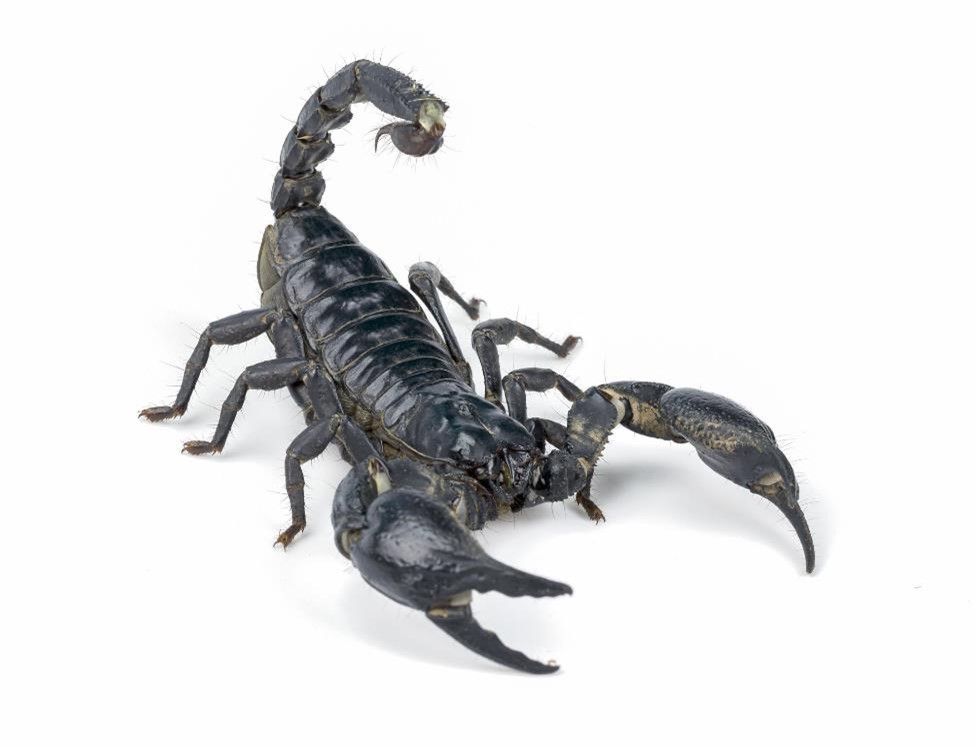
Scorpion stings are a common health concern in many parts of the world, particularly in warm climates where the creatures are more active. While many scorpion stings cause only mild pain and swelling, some can lead to serious medical complications if not treated promptly.
Health experts advise that knowing what to do immediately after a scorpion sting can significantly reduce the risk of severe reactions and may even save a life. Acting quickly and correctly is essential, especially for children, older adults, and individuals with allergies.
Here are important steps to take immediately after a scorpion sting.
Stay Calm and Move to a Safe Area
The first step is to remain calm and move away from the scorpion to avoid being stung again. Panic can increase heart rate and spread venom through the body more quickly.

If possible, carefully identify the scorpion from a safe distance or remember its appearance, as this information may help medical professionals determine the appropriate treatment.
Clean the Sting Area
Wash the affected area gently with soap and clean water. Cleaning the wound helps reduce the risk of infection and removes any venom that may still be on the skin.
Avoid using harsh chemicals or alcohol on the sting site, as this can irritate the skin further.
Apply a Cold Compress
Placing a cold pack or ice wrapped in a cloth on the sting area can help reduce pain, swelling, and inflammation.
Apply the cold compress for about 10 minutes at a time, allowing short breaks in between to protect the skin.
Keep the Affected Limb Still
If the sting occurs on an arm or leg, try to keep the limb still and positioned slightly below heart level. Limiting movement may help slow the spread of venom through the bloodstream.
Remove Tight Items
Remove rings, bracelets, or tight clothing near the sting area, as swelling may occur quickly and make these items difficult to remove later.
Seek Medical Attention Immediately
Even if symptoms appear mild at first, it is important to seek medical care as soon as possible. Some reactions can worsen within minutes or hours after the sting.
Emergency care is especially important if the victim experiences symptoms such as difficulty breathing, severe pain, muscle twitching, vomiting, sweating, or unusual eye movements.
Avoid Dangerous Home Remedies
Health professionals warn against cutting the wound, attempting to suck out the venom, or applying unknown herbal substances. These practices can worsen the injury and increase the risk of infection.
Prevention Remains the Best Protection
To reduce the risk of scorpion stings, experts recommend keeping homes clean, sealing cracks in walls, shaking out shoes and clothing before wearing them, and using protective footwear when walking in areas where scorpions may hide.
Although most scorpion stings are not fatal, prompt first aid and medical attention can make a critical difference. Knowing these simple steps can help individuals respond effectively and protect themselves and others in emergency situations.