


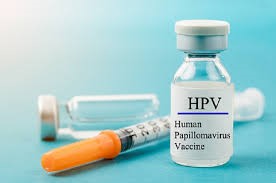
Health experts have raised fresh concerns over the growing impact of Human Papillomavirus (HPV) among men, warning that the virus is no longer a female-only health issue but a widespread public health threat affecting both genders.
New findings presented by researchers and gynaecologists indicate that men are increasingly vulnerable to HPV infections a development that challenges the long-standing belief that the virus is primarily linked to cervical cancer in women.
Changing Infection Trends
Experts noted a shift in the pattern of HPV infections, with younger individuals now more commonly affected. This trend has been linked to earlier sexual activity and increased exposure at younger ages compared to previous generations.
Although HPV has historically been associated with cervical cancer, specialists emphasised that the virus is not exclusive to women and can affect individuals regardless of gender or sexual orientation.

Beyond Cervical Cancer
Speaking at the 2026 International HPV Awareness Day in Abuja, Professor Imran Morhason-Bello clarified that HPV is responsible for a broader range of health conditions.
According to him, the virus has been linked to cancers of the throat, mouth, anus, and penis, in addition to cervical cancer. He also referenced emerging studies suggesting a possible association between HPV and other serious health conditions.
“HPV is not synonymous with cervical cancer, and it is not limited to women. It affects both males and females,” he said.
Concerns Over Vaccination Strategy
Nigeria introduced the HPV vaccine into its National Immunisation Programme in 2023, targeting girls aged 9 to 14. While experts acknowledge that this approach helps reduce cervical cancer rates, concerns have been raised about the exclusion of boys.
Health professionals argue that since HPV is transmitted through sexual contact, vaccinating only females may limit efforts to fully control the spread of the virus.
Officials from the National Primary Health Care Development Agency have reported significant progress in vaccinating girls nationwide. However, experts say a gender-neutral vaccination strategy covering both boys and girls would be more effective in achieving herd immunity.
Call for Wider Awareness
Stakeholders at the event stressed the need for increased public education on HPV transmission, noting that the virus can spread through various forms of sexual contact, including oral and anal sex.
They also highlighted the importance of addressing vaccine hesitancy, which varies across communities due to cultural, religious, and social factors.
Dr. Maureen Umeakuewulu of the International Papillomavirus Society (IPVS) emphasised the need for grassroots engagement.
“The campaign must involve communities, religious leaders, and survivors to effectively address misconceptions and improve acceptance,” she said.
Strengthening National Response
Experts called for a more comprehensive national strategy, including expanded vaccination coverage, free screening services, and increased funding for research.
They also urged stronger collaboration between government agencies such as the National Agency for the Control of AIDS (NACA), research institutions, and civil society groups to improve prevention and treatment outcomes.
Outlook
Despite existing challenges, stakeholders expressed optimism that Nigeria can make significant progress in reducing HPV-related diseases through coordinated efforts, improved awareness, and inclusive health policies.
They stressed that addressing HPV as a shared public health issue rather than a gender-specific one will be key to controlling its spread and protecting future generations.



