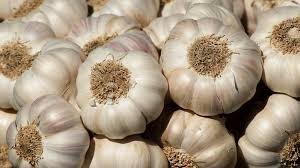
Food scientists say the way garlic is cut, timed, and cooked can dramatically change the taste of a dish, with small preparation differences determining whether garlic tastes mild, sweet, sharp, or bitter.
According to culinary experts, garlic’s flavor is controlled by chemical reactions that begin the moment the cloves are sliced, crushed, or minced.
How Garlic Develops Its Strong Flavor
Researchers explain that raw garlic cloves naturally contain separate sulfur compounds and enzymes. When the clove is cut or crushed, the cell walls break, allowing the compounds to combine and form allicin the substance responsible for garlic’s strong smell and pungent taste.

The intensity of the flavor largely depends on how much the garlic cells are damaged during preparation.
Whole cloves release only small amounts of allicin, while sliced garlic produces a moderate flavor. Mincing or crushing garlic creates more surface area, triggering stronger chemical reactions and a more intense taste.
Timing Plays an Important Role
Food experts note that allicin does not form instantly. The reaction continues for several minutes after garlic is chopped.
As a result, garlic that rests briefly before cooking often develops a richer and more complex flavor than garlic added immediately to heat.
However, prolonged exposure to air can also reduce freshness. Garlic chopped too far in advance may lose its natural sharpness and develop a harsher taste over time.
Heat Changes Garlic Chemistry
Cooking temperature also has a major effect on garlic flavor.
High heat quickly stops the chemical reactions responsible for producing allicin, creating a milder taste. At the same time, garlic burns faster than many other cooking ingredients because its natural sugars caramelize rapidly.
Culinary specialists warn that burnt garlic produces a bitter flavor capable of overpowering an entire dish.
To prevent burning, chefs often recommend cooking garlic slowly over moderate heat or adding it gradually as oil warms. This approach allows flavor compounds to develop evenly without becoming bitter.
Long, slow cooking methods can transform garlic completely, turning strong, pungent cloves into soft, sweet, and mild ingredients often used in soups, stews, and roasted dishes.
Different Dishes Require Different Garlic Techniques
Cooking professionals say garlic preparation should depend on the desired flavor profile of a meal.
Raw garlic is commonly used in sauces, dressings, and dips where a stronger taste is preferred. In contrast, stir-fries and quick-cooked dishes often benefit from garlic that has been briefly rested after chopping to allow flavor development before cooking.
Slow-cooked meals such as braises and roasts typically use whole or large garlic pieces because extended cooking naturally softens the flavor over time.
Common Garlic Cooking Mistakes
Experts identify burning garlic as one of the most frequent cooking errors in home kitchens.
They also note that pre-minced garlic sold in jars often lacks the same flavor complexity as freshly prepared garlic because preservation processes alter its chemical composition.
Food specialists say understanding garlic chemistry allows cooks to better control flavor and improve the balance of their dishes through proper cutting, timing, and cooking techniques.