


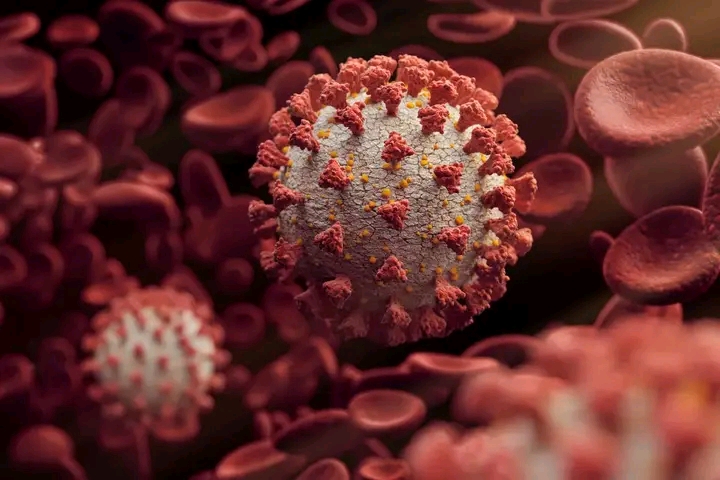
CALABAR, CROSS RIVER — The detection of a COVID-19 case involving a Chinese national in Cross River State has renewed concerns about public health preparedness, prompting authorities to intensify surveillance and containment measures to prevent a wider outbreak.
Health officials confirmed that the case has triggered immediate response actions, including the identification and monitoring of ten close contacts, as part of efforts to contain any potential spread of the virus.
The State Emergency Operations Centre (SEOC) has also been reactivated, signaling a swift institutional response that reflects lessons learned from the global COVID-19 crisis that began in 2019.
Public health experts describe the development as a reminder that the threat of infectious disease outbreaks remains present, even as countries continue to recover from the long-term impact of the pandemic.

The 2019 outbreak, caused by the COVID-19 virus, exposed significant vulnerabilities in global health systems, leading to widespread reforms in disease surveillance, emergency response, and international cooperation.
In Nigeria, authorities have since strengthened protocols around border control, testing, contact tracing, and emergency coordination, all of which are now being activated in response to the latest case.
Officials emphasize that early detection and rapid response remain critical in preventing escalation, particularly in a densely populated country where transmission risks can increase quickly if not properly managed.
The reactivation of the SEOC highlights improved readiness, with coordinated teams working across health, security, and community networks to track contacts, enforce safety measures, and provide timely information to the public.
Experts note that public awareness and cooperation are essential, urging residents to remain vigilant, adhere to hygiene practices, and report any symptoms promptly to health authorities.
The situation has also revived memories of the psychological and economic disruptions caused by the original pandemic, underscoring the importance of maintaining preparedness even in periods of relative calm.
Government officials are expected to continue monitoring the situation closely while providing regular updates to ensure transparency and prevent misinformation.
While there is no indication of widespread transmission at this stage, authorities stress that sustained vigilance is necessary to avoid complacency and ensure that isolated cases do not develop into larger outbreaks.
As Nigeria responds to this latest development, the focus remains on rapid containment, public cooperation, and maintaining the strengthened health systems designed to prevent a repeat of past crises.

