



A tense moment unfolded on Wednesday in the Nigerian Senate as Senate President Godswill Akpabio and Senator Adams Oshiomhole engaged in a sharp exchange during plenary following recent amendments to the chamber’s Standing Orders, which have introduced stricter requirements for leadership positions within the upper legislative house.
The session, which initially began on a routine note, took a dramatic turn while Akpabio was presenting the Votes and Proceedings from the previous legislative sitting for adoption. It was during this procedural stage that Senator Oshiomhole attempted to raise a point of order, prompting an immediate intervention from the Senate President.
Akpabio ruled the intervention out of order, explaining that the Senate’s revised Standing Orders do not permit such interruptions during the presentation of official proceedings. He stressed that the chamber must strictly adhere to its procedural guidelines to maintain order and legislative discipline.

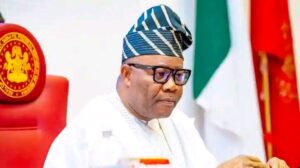
Despite the ruling, Oshiomhole persisted in his attempt to be recognized, creating a brief moment of tension on the floor. The Senate President maintained his position, reiterating that the rules guiding the chamber’s proceedings must be respected by all members, regardless of rank or political influence.
To clarify the situation, Akpabio called on Senator Orji Uzor Kalu, a former Chief Whip of the Senate, to provide guidance on the applicable rule. Kalu supported the ruling of the presiding officer, confirming that points of order are not allowed during the stage at which the Votes and Proceedings are being read and adopted.
Senate Whip Senator Tahir Monguno also intervened in the discussion, reinforcing the interpretation of the rules as presented by the Senate leadership. He cautioned that any continued disruption of proceedings could attract disciplinary measures in accordance with the chamber’s regulations.
The exchange briefly escalated as Akpabio emphasized the importance of discipline and order within the Senate, warning that repeated disregard for procedural rules could lead to sanctions, including possible removal from the chamber if necessary. His remarks underscored the leadership’s resolve to enforce compliance with the newly amended Standing Orders.
Following the intervention of senior lawmakers and the clarification of the rules, order was eventually restored, allowing the Senate to proceed with its legislative business without further interruption.
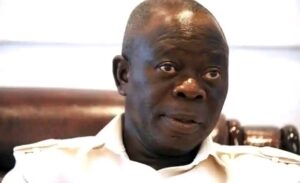
The confrontation is widely understood to be connected to recent changes made to the Senate Standing Orders, which have introduced stricter eligibility requirements for individuals aspiring to leadership positions within the chamber. Under the new provisions, senators are required to have served at least two consecutive terms before they can contest for presiding or principal offices in the Senate.
This development marks a significant shift in the internal governance framework of the upper legislative chamber, effectively narrowing the pool of eligible candidates for key leadership roles. It is also seen as an attempt to strengthen institutional stability by ensuring that only lawmakers with substantial legislative experience can occupy sensitive positions of authority.
However, the changes have also generated debate within political circles, with differing views on their implications for inclusiveness and representation. While some lawmakers argue that the reforms will enhance order and continuity in legislative leadership, others believe they may limit opportunities for newer senators who aspire to play more prominent roles in the chamber’s hierarchy.
Senator Adams Oshiomhole, a former Governor of Edo State and former President of the Nigeria Labour Congress, is among the lawmakers affected by the new rule, as he is currently serving his first term in the Senate. The revised eligibility criteria would effectively bar him and other first-term senators from contesting for leadership positions until they meet the required legislative experience threshold.
The incident on the Senate floor is therefore being viewed in some quarters as a reflection of the broader political and institutional tensions surrounding the implementation of the new rules. It also highlights the sensitivity of internal reforms within legislative bodies, particularly when such changes have direct implications for ambition, seniority, and power distribution.
Observers note that while procedural discipline is essential for the smooth functioning of the legislature, moments of disagreement such as the one witnessed on Wednesday are not uncommon in democratic institutions where rules are being updated or reinterpreted.
Despite the brief disruption, legislative business continued after the matter was settled, with senators proceeding to other items on the day’s agenda. The Senate leadership did not announce any disciplinary action following the exchange, and proceedings concluded in relative calm.
The development adds to ongoing discussions about governance reforms within the National Assembly, especially as lawmakers continue to adjust to the revised Standing Orders. It also reflects the evolving dynamics of leadership, authority, and procedural compliance in Nigeria’s upper legislative chamber.
As the Senate implements its updated rules, further debates are expected over their interpretation and long-term implications, particularly in relation to fairness, institutional hierarchy, and political inclusion within the lawmaking process.




