


When a person collapses from cardiac arrest, every second counts. Yet many bystanders hesitate to act, held back by persistent misconceptions about cardiopulmonary resuscitation (CPR). Medical experts warn that these delays can mean the difference between life and death.
According to emergency care specialists, survival chances decrease by roughly 10 percent with each minute that passes without CPR. However, when a bystander intervenes quickly, the likelihood of survival can double or even triple. Despite this, hesitation remains widespread.
Pulse checks can waste critical time
Experts advise against attempting to check for a pulse during an emergency. Instead, bystanders should quickly assess responsiveness by gently shaking the individual and asking if they are okay. If there is no response and breathing appears absent or abnormal, chest compressions should begin immediately.
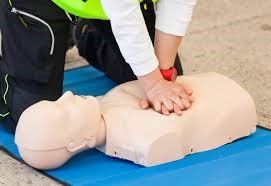
Proper technique involves placing one hand at the center of the chest, stacking the other on top, and pressing hard and fast at a rate of 100 to 120 compressions per minute.

Certification is not required to help
While formal CPR training is beneficial, medical professionals emphasize that it is not a prerequisite for taking action. In emergency situations, immediate intervention is more important than certification. Public access to training resources, including online tutorials and community programs, has made basic knowledge increasingly accessible.
Hands-only CPR is effective
Concerns about performing mouth-to-mouth resuscitation often discourage people from intervening. However, current guidelines support hands-only CPR for adults and teenagers in the initial minutes following cardiac arrest. Continuous chest compressions alone can sustain blood flow until professional help arrives.
Rescue breaths remain more relevant in specific cases, such as with infants, children, or incidents involving drowning or choking. Even in these scenarios, experts stress that performing compressions alone is far better than taking no action.
Fear of causing harm is misplaced
One of the most common fears is that CPR might injure the victim or lead to legal consequences. Medical professionals dismiss this concern, noting that Good Samaritan laws in many regions protect individuals who provide emergency assistance in good faith.
In cases of cardiac arrest, the absence of intervention is far more dangerous than any potential injury caused by chest compressions.
Disparities in response rates persist
Data shows that hundreds of thousands of people experience out-of-hospital cardiac arrest each year, yet bystander CPR is performed in less than half of these cases. Studies also reveal disparities, with lower response rates observed in low-income communities and among women.
Positioning matters
If a person collapses in an awkward position, bystanders should not hesitate to reposition them. Moving the individual onto their back and placing them on a firm surface, such as the floor, allows for more effective compressions.
Cardiac arrest often occurs at home
Contrary to popular belief, most cardiac arrests happen in private residences. Health professionals encourage families to view CPR knowledge as an essential safety skill, comparable to first aid training.
AEDs are designed for public use
Automated External Defibrillators (AEDs) can significantly improve survival rates when used promptly. Experts recommend familiarizing oneself with AED locations in frequently visited places. These devices are designed with clear instructions, making them accessible even to individuals without medical training.
A shared responsibility
Emergency response is rarely a solo effort. Dispatchers, bystanders, and first responders all play vital roles in what experts describe as the “chain of survival.” Increased public awareness and willingness to act can substantially improve outcomes in cardiac emergencies.
Medical professionals stress a simple but critical message: when cardiac arrest occurs, doing something is always better than doing nothing.




