


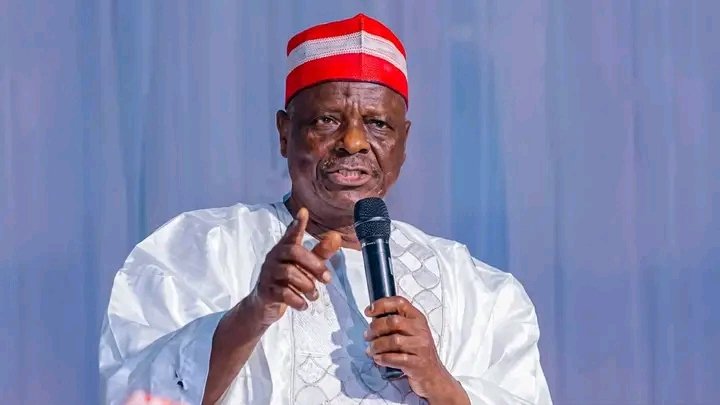
KANO, NIGERIA — Former Kano State governor and leader of the New Nigeria Peoples Party (NNPP), Rabiu Kwankwaso, has reportedly responded strongly to allegations linking him to demands for the presidential ticket of the Peoples Redemption Party (PRP) ahead of the 2027 general elections.
The political tension reportedly followed comments associated with political figure Baba-Ahmed regarding discussions surrounding possible alliances and presidential ambitions within opposition political circles.
Kwankwaso was said to have rejected claims suggesting he pressured or negotiated for the PRP presidential ticket as part of ongoing political realignments ahead of the next election cycle.
Sources close to the former presidential candidate insisted that the allegations were misleading and intended to create unnecessary controversy around his political future.

The development has sparked fresh debate within northern political blocs and opposition circles as consultations intensify ahead of the 2027 elections.
Political analysts believe growing conversations about coalitions and strategic alliances among opposition figures are already reshaping Nigeria’s political landscape.
Kwankwaso remains one of the most influential northern politicians and continues to command significant grassroots support, especially in Kano and parts of northern Nigeria.
Observers say his political decisions ahead of 2027 could influence coalition negotiations among opposition parties seeking to challenge the ruling establishment.
The PRP, historically associated with the late Aminu Kano political movement, has continued to maintain symbolic relevance in northern Nigerian politics despite its smaller national presence.
Analysts note that discussions surrounding presidential tickets and coalition arrangements are likely to intensify as political actors position themselves ahead of party primaries.
Supporters of Kwankwaso argue that attempts to link him with internal disputes in other parties may be part of broader political calculations aimed at weakening his influence.
Meanwhile, some political commentators believe opposition leaders are under pressure to unite if they hope to mount a stronger challenge in the 2027 presidential race.
The alleged disagreement involving Baba-Ahmed has further highlighted growing competition and distrust among political actors seeking strategic relevance before the elections.
Political observers also point to increasing speculation regarding possible mergers, defections, and coalition talks among opposition parties in the coming months.
Kwankwaso has repeatedly remained at the center of national political conversations due to his strong northern political structure and past presidential ambitions.
Stakeholders within opposition movements continue to debate the best strategy for building a united front capable of attracting broad national support.
The controversy has generated reactions across social media, with supporters of different political camps exchanging accusations and counterclaims over the reported ticket issue.
Attention now shifts to whether opposition parties can overcome internal rivalries and form workable alliances ahead of the 2027 general elections.




