


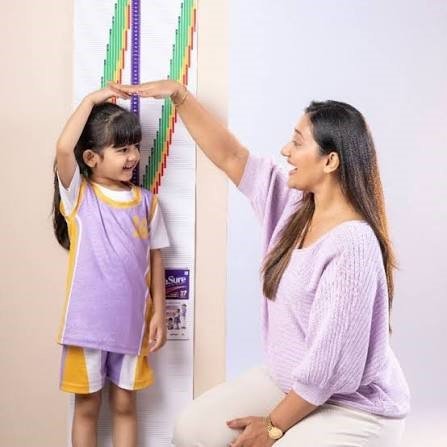
Medical professionals have emphasized the importance of regular growth monitoring in children, warning that failure to track developmental progress can delay the detection of serious health and nutritional problems.
Health experts explain that growth monitoring involves the regular measurement of a child’s weight, height, and head circumference, along with the assessment of developmental milestones appropriate for their age. These measurements help doctors determine whether a child is growing at a healthy rate or experiencing potential health challenges.
Pediatricians stress that consistent growth tracking is essential during early childhood, when physical and brain development is at its fastest stage. Any sudden changes in growth patterns, such as slowed weight gain or delayed height increase, may indicate underlying issues such as malnutrition, chronic illness, hormonal imbalance, or genetic conditions.
Doctors also highlight that growth monitoring is not only about physical size but also about developmental progress. This includes a child’s ability to speak, walk, interact socially, and perform age-appropriate tasks. When delays are detected early, medical professionals can recommend interventions such as nutritional support, therapy, or further medical evaluation.

Health experts warn that many parents only seek medical attention when a child becomes visibly sick, ignoring gradual signs of growth problems. They emphasize that routine check-ups are necessary even when a child appears healthy, as some developmental issues are not easily noticeable in the early stages.
Medical professionals also point out that proper growth monitoring helps guide nutrition and feeding practices. For example, children who are underweight may require dietary adjustments, while those at risk of obesity may need lifestyle changes such as improved diet and increased physical activity.
In addition, health authorities encourage parents to keep personal growth records or child health cards provided at clinics. These records help healthcare providers compare a child’s growth over time and identify any concerning trends early.
Doctors are also calling on governments and healthcare systems to strengthen routine child welfare programs, especially in rural areas where access to pediatric services may be limited. They stress that community health workers can play a key role in monitoring children and educating parents about healthy development.
In conclusion, medical professionals affirm that regular growth monitoring is a critical part of child healthcare. They warn that early detection of growth abnormalities can significantly improve treatment outcomes and ensure children achieve their full developmental potential.




