


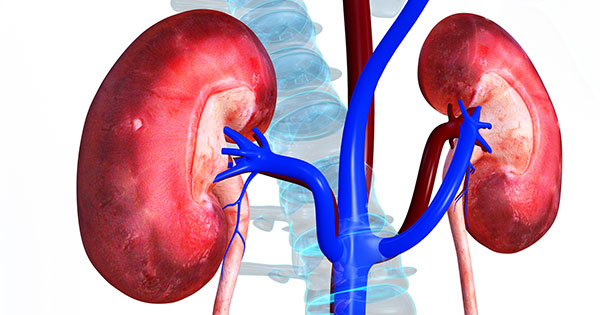
Kidney failure occurs when the kidneys lose their ability to effectively filter waste and excess fluids from the blood. In its early stages, the condition may develop silently, with little or no noticeable symptoms. However, as kidney function declines, harmful toxins can accumulate in the body, leading to serious and potentially life-threatening complications if left untreated.
The kidneys play a vital role in maintaining overall health by filtering the blood, removing waste products, and regulating fluid balance. When this filtration process fails, waste products are no longer properly excreted through urine, placing strain on multiple organs. Below is a detailed overview of kidney failure, including its types, symptoms, and diagnostic methods.
Common Types of Kidney Failure
Kidney failure is broadly classified based on how quickly it develops and the underlying cause.

Acute Prerenal Kidney Failure
This type occurs when there is a sudden reduction in blood flow to the kidneys. It is often reversible once the cause—such as dehydration, blood loss, or heart problems—is identified and treated promptly.
Acute Intrinsic Kidney Failure
Acute intrinsic kidney failure results from direct damage to the kidneys. Causes may include physical injury, exposure to toxins or certain medications, and ischemia, a condition marked by insufficient oxygen supply to kidney tissues.
Acute Post-renal Kidney Failure
This form is caused by a sudden blockage in the urinary tract, such as kidney stones or an enlarged prostate, which prevents urine from flowing normally and leads to kidney damage.
Chronic Prerenal Kidney Failure
Chronic prerenal kidney failure develops after long-term reduced blood flow to the kidneys. Over time, this causes the kidneys to shrink and gradually lose their ability to function.
Chronic Intrinsic Kidney Failure
This type arises from prolonged damage to the kidneys due to intrinsic kidney diseases. Severe trauma, long-term oxygen deprivation, or excessive bleeding can contribute to this condition.
Chronic Post-renal Kidney Failure
A long-standing blockage in the urinary tract can lead to chronic post-renal kidney failure. Persistent pressure from trapped urine damages kidney tissue over time.
Symptoms of Kidney Failure
As kidney disease progresses, symptoms become more noticeable and severe. Common signs include:
Reduced urine output
Swelling of the legs, ankles, and feet due to fluid retention
Shortness of breath
Difficulty sleeping
Muscle cramps, especially at night
Persistent fatigue or excessive drowsiness
Ongoing nausea
Confusion or difficulty concentrating
Chest pain or pressure
Seizures
Coma in severe cases
Early Signs of Kidney Failure
Early-stage kidney disease can be difficult to detect, as symptoms are often mild or vague. These may include:
Slight decrease in urine output
Swelling in the hands, feet, or ankles
Occasional shortness of breath
Because these symptoms are easily overlooked, regular medical checkups are important, especially for individuals at higher risk.
Kidney Failure and Urine Color
Urine color alone provides limited information about kidney health. Noticeable changes in urine color usually occur only after significant kidney damage has already taken place, making laboratory tests far more reliable for diagnosis.
Diagnostic Tests for Kidney Failure
Doctors rely on a combination of tests to diagnose kidney failure and determine its severity.
Urinalysis
This test examines a urine sample to measure protein and sugar levels. A urinary sediment examination may also be performed to detect red and white blood cells, bacteria, and cellular casts.
Urine Output Measurement
Monitoring urine volume helps assess kidney function. Low urine output may indicate kidney failure caused by a urinary tract obstruction.
Blood Tests
Blood tests measure substances filtered by the kidneys, such as blood urea nitrogen (BUN) and creatinine. Rapid increases in these levels may signal acute kidney failure.
Imaging Tests
Ultrasound scans, CT scans, and MRIs provide detailed images of the kidneys and urinary tract, helping doctors identify structural abnormalities or blockages.
Kidney Biopsy
In some cases, a small sample of kidney tissue is collected and examined under a microscope to determine the exact cause of kidney damage.
Kidney failure remains a serious medical condition, but early detection and timely treatment can significantly improve outcomes. Health experts advise individuals to seek medical attention if they experience persistent symptoms or have underlying conditions such as diabetes or high blood pressure, which increase the risk of kidney disease.




