


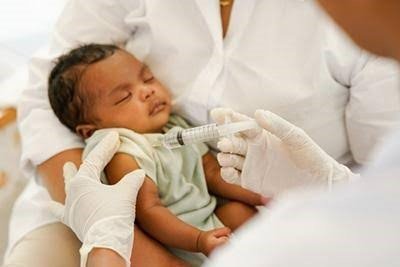
Doctors and child health experts are strongly encouraging parents to ensure early childhood vaccination, warning that delays or refusal of immunization continue to expose children to preventable but potentially deadly diseases.
Medical professionals explain that vaccines remain one of the most effective public health tools for protecting children from serious infections such as measles, polio, tuberculosis, diphtheria, hepatitis, and whooping cough. These diseases, if contracted at an early age, can lead to severe complications, long-term disability, or even death.
Health experts emphasize that the immune system of infants and young children is still developing, making them more vulnerable to infections compared to adults. Vaccination works by training the immune system to recognize and fight specific viruses or bacteria before they can cause severe illness. Doctors stress that when children are fully vaccinated according to the recommended schedule, they are significantly less likely to experience life-threatening outbreaks.
Pediatricians also warn that missed or delayed vaccinations can create gaps in immunity, increasing the risk of disease outbreaks within communities, especially in schools and childcare settings. They explain that herd immunity, which protects even those who cannot be vaccinated due to medical reasons, can only be achieved when a large percentage of the population is immunized.

In many regions, child health professionals have noted that misinformation and fear continue to contribute to vaccine hesitancy among parents. Experts are therefore calling for increased public education to address misconceptions and provide accurate medical information about vaccine safety. They reaffirm that vaccines undergo strict testing and monitoring before approval and remain safe for use in children.
Doctors further encourage parents to maintain proper immunization records and attend all scheduled clinic appointments to ensure complete protection. They also advise caregivers to consult qualified healthcare professionals rather than relying on unverified information from social media or informal sources.
In addition, health authorities are urging governments and community leaders to strengthen vaccination campaigns, especially in rural and underserved areas where access to healthcare services may be limited.
In conclusion, medical experts stress that early childhood vaccination is not optional but essential for preventing deadly diseases. They warn that protecting children through immunization is one of the most effective ways to ensure long-term public health and reduce avoidable child mortality.




