


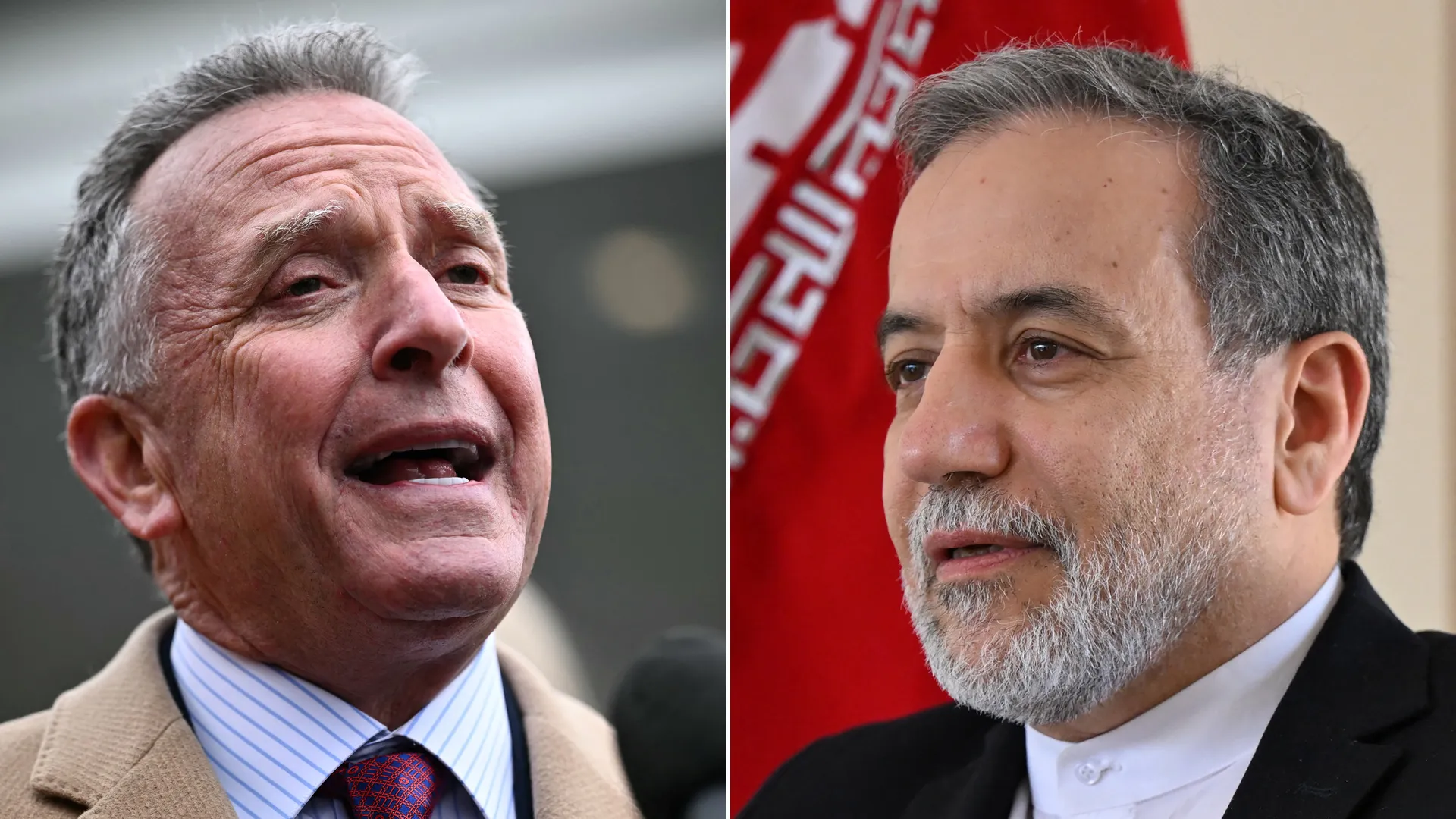
Talks between the United States and Iran appear to be edging closer to a possible breakthrough, with Iranian state media reporting that a draft agreement could lead to the lifting of the US naval blockade around Iranian ports and the gradual reopening of the Strait of Hormuz to normal commercial traffic.
According to Iran’s state broadcaster IRIB, the proposed memorandum of understanding would require US forces to pull back from areas near Iran while Tehran restores shipping activity in the strategic waterway within a month.
The Strait of Hormuz, one of the world’s most critical oil transit routes, normally handles around 20% of global oil supplies.
The report says Iran, working alongside Oman, would oversee shipping routes through the strait, although military vessels from what Tehran calls “hostile countries” would still be barred from passage.

Iranian officials insist no agreement will move forward without what they described as “tangible verification” from Washington.
So far, the Trump administration has not publicly commented on the Iranian claims.
The developments come as President Donald Trump prepares to convene a high-level Cabinet meeting at the White House amid mounting pressure to secure an end to the conflict.
While Trump has repeatedly suggested a deal is close, negotiations remain delicate, with disagreements reportedly centering on wording related to sanctions relief and Iran’s nuclear program.
Diplomatic sources say the proposed agreement is being brokered with Pakistani mediation and could eventually be formalized through a binding United Nations Security Council resolution if both sides reach a final deal within 60 days.
At the same time, tensions across the region remain high.
Iran’s Revolutionary Guard said vessels belonging to “hostile countries” are still prohibited from crossing the Strait of Hormuz, despite signs that commercial shipping may soon increase.
Ship-tracking services, however, have struggled to confirm Tehran’s claims about vessel movements because many ships switch off their tracking systems while crossing the area.
Elsewhere, Israel said it killed senior Hamas commander Mohammed Odeh in a strike in northern Gaza earlier this week.
Israeli officials described Odeh as a major figure within Hamas’ military leadership and blamed him for helping coordinate attacks against Israeli forces and civilians.
In Lebanon, Israeli forces intensified airstrikes and evacuation warnings across the south and the Beqaa Valley, targeting what the military described as Hezbollah infrastructure.
Lebanese health officials say at least 31 people were killed in strikes on Tuesday alone.
Meanwhile inside Iran, internet access remains unstable. Although authorities partially restored connectivity after nearly 90 days of restrictions, watchdog group NetBlocks says new limits have now been placed on messaging services and app stores.
The move has exposed growing divisions inside Iran’s leadership, with hardline factions reportedly trying to block efforts to fully reopen internet access.
The diplomatic uncertainty has also spilled into Asia. South Korea announced it will summon Iran’s ambassador after investigators concluded that debris recovered from a damaged South Korean-linked vessel in the Strait of Hormuz likely came from Iranian Noor anti-ship missiles.
Tehran has previously denied any involvement in the incident.
Despite the fragile ceasefire and ongoing negotiations, analysts say the path toward a lasting agreement remains uncertain.
Every delay increases pressure on both Washington and Tehran, while instability in the Strait of Hormuz continues to threaten global energy markets and regional security.




