


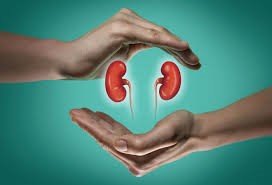
Your kidneys work around the clock to filter waste products, remove excess fluid, regulate blood pressure, balance minerals, and support the production of red blood cells. Despite their vital role, kidney health is often overlooked until problems develop.
Health experts say simple lifestyle choices can go a long way in protecting your kidneys and reducing the risk of chronic kidney disease.
Why Kidney Health Matters
The kidneys filter about 50 gallons (approximately 190 litres) of blood every day, removing waste through urine while keeping the body’s fluid and mineral levels balanced.
When the kidneys become damaged, waste products can build up in the body, leading to serious health complications.

1. Stay Well Hydrated
Drinking enough water helps the kidneys remove waste and reduces the risk of kidney stones.
The amount of water each person needs varies depending on age, activity level, climate, and medical conditions.
2. Control Your Blood Pressure
High blood pressure is one of the leading causes of kidney disease.
Regular blood pressure checks, a healthy diet, exercise, and prescribed medications can help protect kidney function.
3. Manage Blood Sugar Levels
Diabetes is another major cause of kidney damage.
People with diabetes should monitor their blood sugar regularly and follow their treatment plan to reduce the risk of diabetic kidney disease.
4. Eat a Balanced Diet
A kidney-friendly diet includes:
- Fruits.
- Vegetables.
- Whole grains.
- Lean proteins.
- Healthy fats.
Reducing excess salt, added sugars, and highly processed foods can also benefit kidney health.
5. Exercise Regularly
Regular physical activity helps:
- Maintain a healthy weight.
- Lower blood pressure.
- Improve blood sugar control.
- Reduce the risk of kidney disease.
Aim for at least 150 minutes of moderate physical activity each week, if appropriate for your health.
6. Avoid Smoking
Smoking damages blood vessels, reducing blood flow to the kidneys and increasing the risk of chronic kidney disease.
Quitting smoking benefits both kidney health and overall health.
7. Limit Alcohol Intake
Excessive alcohol consumption can increase blood pressure and contribute to dehydration, placing extra stress on the kidneys.
Moderation is key.
8. Use Medications Wisely
Overusing certain pain relievers, especially non-steroidal anti-inflammatory drugs (NSAIDs), can damage the kidneys over time.
Always take medications as directed and consult a healthcare professional before using them regularly.
9. Maintain a Healthy Weight
Being overweight increases the risk of diabetes, high blood pressure, and kidney disease.
Healthy eating and regular exercise can help reduce these risks.
10. Get Regular Health Check-ups
Routine medical examinations can detect kidney problems before symptoms appear.
People at higher risk should discuss kidney function tests with their healthcare provider.
Who Is at Higher Risk?
You may have a greater risk of kidney disease if you have:
- Diabetes.
- High blood pressure.
- Heart disease.
- Obesity.
- A family history of kidney disease.
- Age over 60 years.
Early monitoring is especially important for these groups.
When Should You See a Doctor?
Seek medical advice if you notice:
- Swelling of the feet or ankles.
- Blood in the urine.
- Changes in urination.
- Persistent fatigue.
- High blood pressure that is difficult to control.
Early treatment can help slow kidney damage.
The Bottom Line
Healthy kidneys are essential for overall well-being. Staying hydrated, eating a balanced diet, exercising regularly, controlling blood pressure and blood sugar, avoiding smoking, and attending regular health check-ups can help protect kidney function throughout life. Small daily habits can make a significant difference in maintaining healthy kidneys.
Disclaimer: This article is for informational purposes only and should not replace professional medical advice. Anyone concerned about their kidney health should consult a qualified healthcare professional for personalised advice and appropriate screening.




