


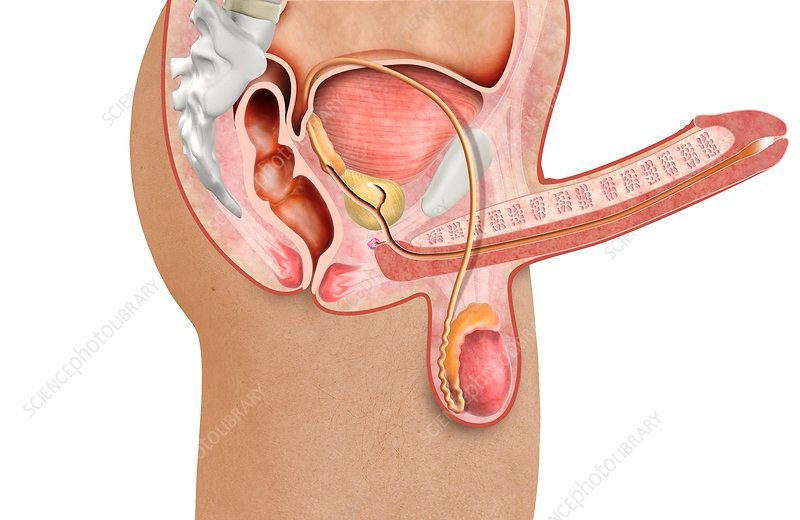
The male reproductive system is a network of internal and external organs responsible for reproduction, sexual function, and hormone production. It plays a central role in producing sperm, supporting sexual activity, and regulating key developmental hormones such as testosterone.
Definition of the Male Reproductive System
The male reproductive system consists of organs that work together to produce sperm, generate sex hormones, and enable the delivery of sperm during reproduction. In addition to reproductive functions, some structures are also involved in urination.
These organs begin developing before birth and become fully functional during puberty under the influence of hormones.
Primary Functions
The system performs several essential biological roles, including:

- Production of sperm cells
- Secretion of male sex hormones
- Formation of semen
- Transportation and delivery of sperm into the female reproductive tract
Together, these functions support fertility and sexual reproduction.
External Organs
The external components of the male reproductive system include the penis, testes, scrotum, and epididymis. These structures are responsible for sperm production, storage, and delivery.
Penis
The penis is the external organ responsible for both urination and sexual reproduction. It contains erectile tissue that fills with blood during arousal, allowing erection.
Key structures include:
- The corpora cavernosa (two columns of erectile tissue)
- The corpus spongiosum (surrounds the urethra)
- The urethra (carries urine and semen out of the body)
The penis is composed of a root, shaft, and glans (tip). The foreskin, or prepuce, covers the glans in uncircumcised individuals.
During sexual activity, the penis becomes erect, allowing for penetration and ejaculation of semen, which may contain sperm capable of fertilizing an egg.
Testes
The testes (testicles) are two oval-shaped organs located within the scrotum. They are responsible for producing sperm and essential hormones, including testosterone.
Testosterone supports:
- Development of male reproductive organs
- Growth of body hair and deepening of the voice
- Increased muscle mass and bone growth
- Regulation of libido
The testes also produce sperm through a continuous process called spermatogenesis, which begins at puberty and continues throughout life.
Scrotum
The scrotum is a skin pouch located behind the penis that houses the testes. Its primary function is temperature regulation, keeping the testes slightly cooler than body temperature for optimal sperm production.
Muscles within the scrotum adjust the position of the testes in response to temperature changes.
Epididymis
The epididymis is a coiled tube attached to each testicle where sperm mature and are stored. Immature sperm from the testes move into the epididymis, where they develop the ability to fertilize an egg over approximately 10–14 days.
Mature sperm are stored in the tail of the epididymis until ejaculation.
Internal Organs
The internal reproductive organs support sperm transport, nourishment, and fluid production required for reproduction.
Spermatic Cord
The spermatic cord is a bundle of tissues containing blood vessels, nerves, and the vas deferens. It supports the testes and transports sperm from the epididymis.
Prostate Gland
The prostate is a small gland located below the bladder and surrounding the urethra. It produces a fluid that forms part of semen.
This fluid:
- Helps protect sperm
- Supports sperm movement
- Improves sperm survival in the reproductive tract
The prostate also plays a role in converting testosterone into its active form.
Bulbourethral Glands
Also known as Cowper’s glands, these small glands produce a clear, lubricating fluid. This secretion:
- Neutralizes acidity in the urethra
- Helps prepare the passage for semen
- Provides lubrication during sexual activity
Seminal Vesicles
The seminal vesicles are glands located behind the bladder. They produce a nutrient-rich fluid that forms a large portion of semen.
This fluid contains:
- Fructose for energy
- Proteins
- Enzymes that support sperm function
It helps sustain sperm and improve their ability to travel through the female reproductive tract.
Summary
The male reproductive system is composed of interconnected internal and external organs that work together to support reproduction. External structures such as the penis, testes, scrotum, and epididymis are responsible for sperm production and delivery, while internal glands like the prostate, seminal vesicles, and bulbourethral glands produce fluids that support and protect sperm.
Together, these organs regulate sexual development, produce hormones, and enable the biological process of reproduction.




