


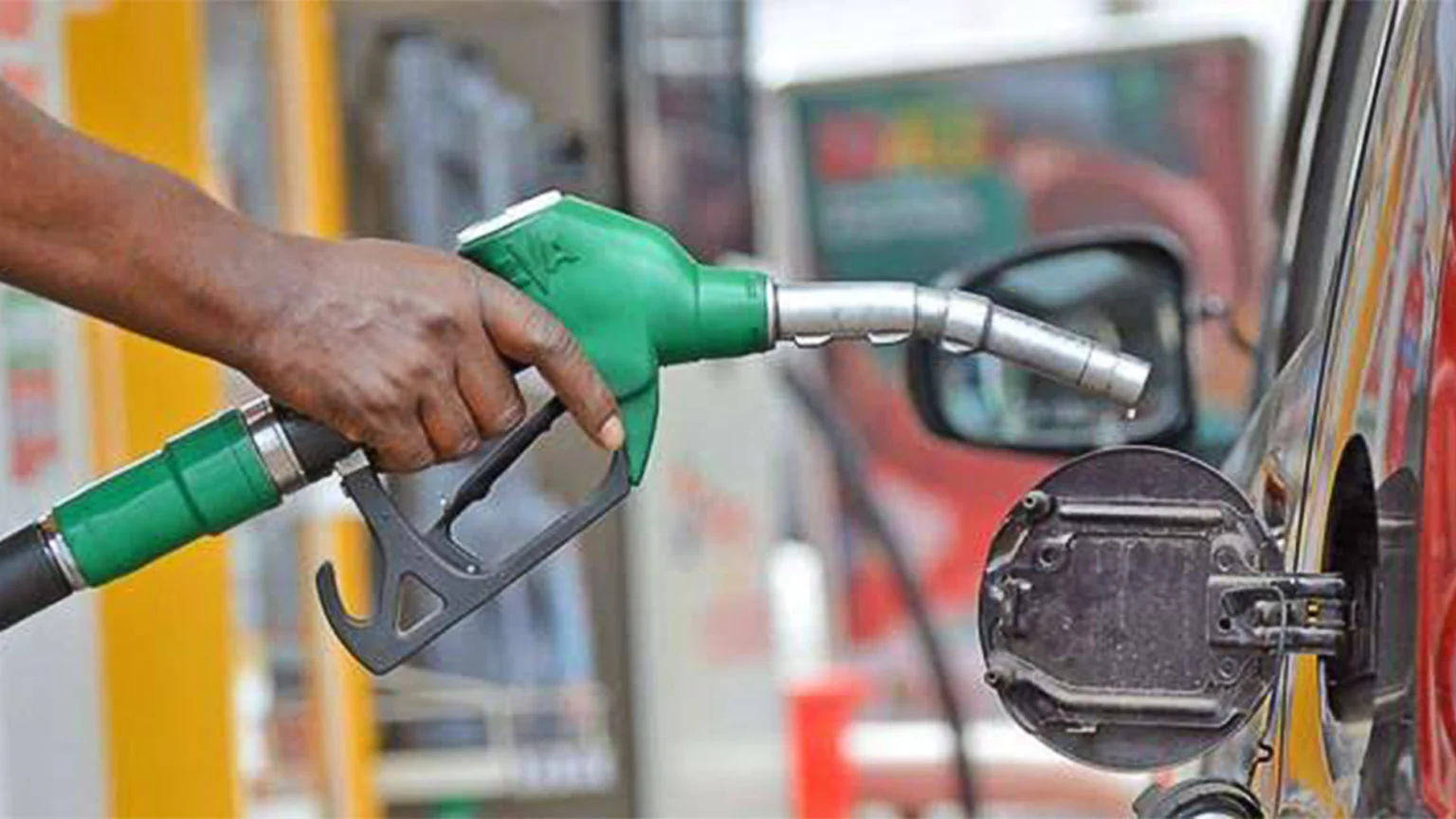
Nigeria’s cost-of-living crisis has continued to deepen as rising fuel prices place additional pressure on households, businesses and workers across the country.
The latest increase in the cost of petrol has created fresh concerns about the financial burden facing Nigerians, particularly as transportation, food and other essential goods remain expensive.
For many households, the price of fuel is no longer simply a concern for vehicle owners.
The cost of petrol affects almost every part of daily life because it influences transportation, distribution, business operations and the prices of goods and services.

As fuel prices rise, transport operators are forced to spend more on running their vehicles.
These higher expenses are often passed on to passengers through increased transport fares.
Workers and students who depend on commercial transportation therefore feel the impact almost immediately.
The situation has also created additional pressure for businesses that depend on petrol or diesel to operate.
Small businesses are particularly vulnerable because many rely on fuel-powered generators to provide electricity when public power supply is unavailable or unreliable.
When the price of fuel increases, the cost of keeping a shop, office, restaurant, salon or other business running also rises.
Business owners are then faced with difficult choices.
They can either absorb the additional cost and accept lower profits or increase the prices of their goods and services and risk losing customers.
DDM News reports that this pressure is contributing to the wider cost-of-living challenge confronting Nigerian households.
Food prices are already a major concern for families across the country.
The cost of transporting agricultural produce from farms to markets is closely connected to fuel prices.
When transportation becomes more expensive, traders and distributors often adjust their prices to cover the additional expenses.
This means that an increase in petrol prices can eventually be reflected in the cost of food purchased by consumers.
Items such as rice, beans, vegetables, meat and other household necessities can become more expensive as transportation and distribution costs increase.
The impact is particularly significant for low-income families that already spend a large portion of their earnings on food.
With limited income available for savings and other needs, even a small increase in daily expenses can create serious financial pressure.
Workers are also feeling the effects of the situation.
For people who travel long distances to work, increased transport fares can take a substantial portion of their monthly income.
Some workers are being forced to reconsider their transportation arrangements, reduce the number of trips they make or look for cheaper alternatives.
For others, the rising cost of commuting has effectively reduced the value of their salaries.
The same challenge affects businesses that transport goods across different parts of Nigeria.
Trucks, buses and other commercial vehicles require fuel to move products from manufacturers and wholesalers to retailers.
As operating costs increase, businesses may adjust their prices to protect their margins.
This creates a cycle in which higher fuel prices contribute to higher transportation costs, which then contribute to higher prices for goods and services.
The pressure is also affecting Nigeria’s informal economy.
Many small traders and self-employed workers depend on daily movement to earn an income.
A trader who spends more money travelling to purchase goods may have to increase selling prices to recover the additional cost.
Similarly, artisans and service providers who travel to customers may charge more because of increased transportation expenses.
The situation has made household budgeting increasingly difficult.
Families that previously allocated a specific amount to transportation, food and other necessities now have to reconsider their spending.
Some households are cutting back on non-essential purchases to concentrate their limited income on basic needs.
Others are reducing savings or relying on assistance from family members to meet their daily expenses.
The pressure comes at a time when Nigerians are still adjusting to the broader economic changes that have occurred since the removal of the petrol subsidy.
The subsidy removal significantly changed the way petrol prices are determined and resulted in a substantial increase in pump prices.
Although the policy was presented as necessary to reduce government spending and redirect public resources, its effect on household expenses has remained a major concern.
The government has introduced various measures aimed at reducing the impact of the economic hardship.
However, many Nigerians continue to argue that relief measures have not fully matched the scale of the rising cost of living.
DDM News understands that the continued increase in fuel prices could make the situation more difficult if wages and household incomes do not rise at a similar pace.
For workers earning fixed salaries, rising expenses can effectively reduce purchasing power.
A salary that was sufficient to cover transportation, food and household bills in the past may no longer provide the same level of financial security.
This has also increased pressure on employers.
Companies are dealing with higher operating costs while employees are demanding better compensation to cope with inflation and increased living expenses.
Businesses must therefore balance the need to remain financially sustainable with the need to retain workers and maintain productivity.
The manufacturing sector is another area that faces significant pressure from high energy costs.
Manufacturers require reliable and affordable energy to produce goods.
When electricity supply is inadequate, many businesses turn to generators and other alternative power sources.
Higher fuel prices increase the cost of operating these alternatives and can make locally produced goods more expensive.
This can affect the competitiveness of Nigerian manufacturers and create additional pressure on consumers.
The rising fuel price also raises broader concerns about economic growth.
When households spend more of their income on transportation and basic necessities, they have less money available for other forms of consumption.
Reduced consumer spending can affect businesses and potentially slow economic activity.
For Nigeria to address the situation effectively, experts and stakeholders continue to emphasise the importance of policies that can reduce production costs, improve transportation systems, strengthen domestic refining capacity and increase household purchasing power.
A more stable petroleum market could provide some relief if local refining and improved fuel supply reduce the pressure associated with imported petroleum products and foreign exchange fluctuations.
At the same time, the government will need to continue exploring ways to support vulnerable households without creating unsustainable financial obligations.
The challenge is to provide meaningful relief while maintaining policies that encourage long-term economic stability.
For ordinary Nigerians, however, the immediate concern remains the rising cost of everyday life.
From transportation to food, electricity and other basic services, households are having to spend more to maintain the same standard of living.
The record-high fuel prices have therefore become another major pressure point in an already difficult economic environment.
Until income growth begins to catch up with the rising cost of essential goods and services, many Nigerians are likely to continue experiencing financial strain.
The current situation highlights the strong connection between fuel prices and the wider Nigerian economy.
As the government, businesses and consumers continue to adjust to changing market conditions, the ability to stabilise energy costs and improve household purchasing power will remain critical to easing the country’s cost-of-living crisis.




