


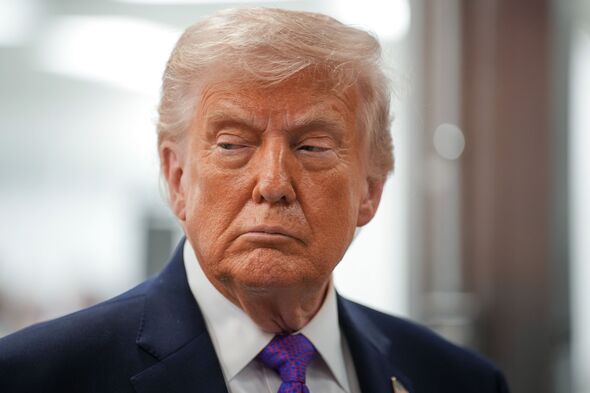
WASHINGTON, UNITED STATES – U.S. President Donald Trump has announced that a broad agreement with Iran has been “largely negotiated,” with final details still being worked out before formal conclusion of the deal, according to statements made during ongoing diplomatic updates involving multiple international stakeholders.
The development follows weeks of high-level negotiations involving the United States, Iran, and several mediating countries, with discussions reportedly focusing on ending hostilities and stabilising key geopolitical and economic tensions in the Middle East.
One of the central elements of the proposed agreement is the reopening of the Strait of Hormuz, a critical global oil shipping route that has remained a major point of dispute throughout the conflict period.
The agreement is also expected to include wider diplomatic commitments aimed at reducing military escalation, restoring limited trade flows, and establishing a framework for continued negotiations on broader security issues.

Key Elements Of The Proposed Deal
Reports indicate that the draft agreement includes provisions for a phased de-escalation of hostilities between both sides, alongside arrangements for monitored maritime access through the Strait of Hormuz.
The reopening of the strategic waterway is considered a major economic component of the deal, as it plays a significant role in global energy transportation and international shipping routes.
Diplomatic sources suggest that additional elements under discussion include the lifting of certain restrictions, humanitarian considerations, and the establishment of verification mechanisms to ensure compliance by both parties.
However, officials stress that the agreement remains subject to final confirmation, with both sides still reviewing technical and political details before a formal announcement is made.
Diplomatic Engagements And Mediation Efforts
The negotiations have reportedly involved multiple regional actors, with mediation efforts playing a key role in bringing both parties closer to a framework agreement.
International stakeholders have continued to push for a peaceful resolution, citing concerns over global energy stability and regional security risks linked to prolonged tensions.
Market And Global Reactions
Analysts say the potential agreement has already influenced global economic expectations, particularly in the energy sector, where uncertainty surrounding the Strait of Hormuz has contributed to volatility in oil markets.
A finalized deal could ease supply concerns and improve global trade stability, though observers caution that last-minute disagreements could still delay or alter the final outcome.
Next Steps
The Trump administration is expected to review Iran’s latest proposal alongside allied consultations before confirming the next stage of the agreement process.
While optimism remains high among mediators, officials acknowledge that the deal is not yet fully finalised and remains dependent on successful resolution of outstanding issues.
Further updates are expected as negotiations progress toward a final framework agreement in the coming days.




