


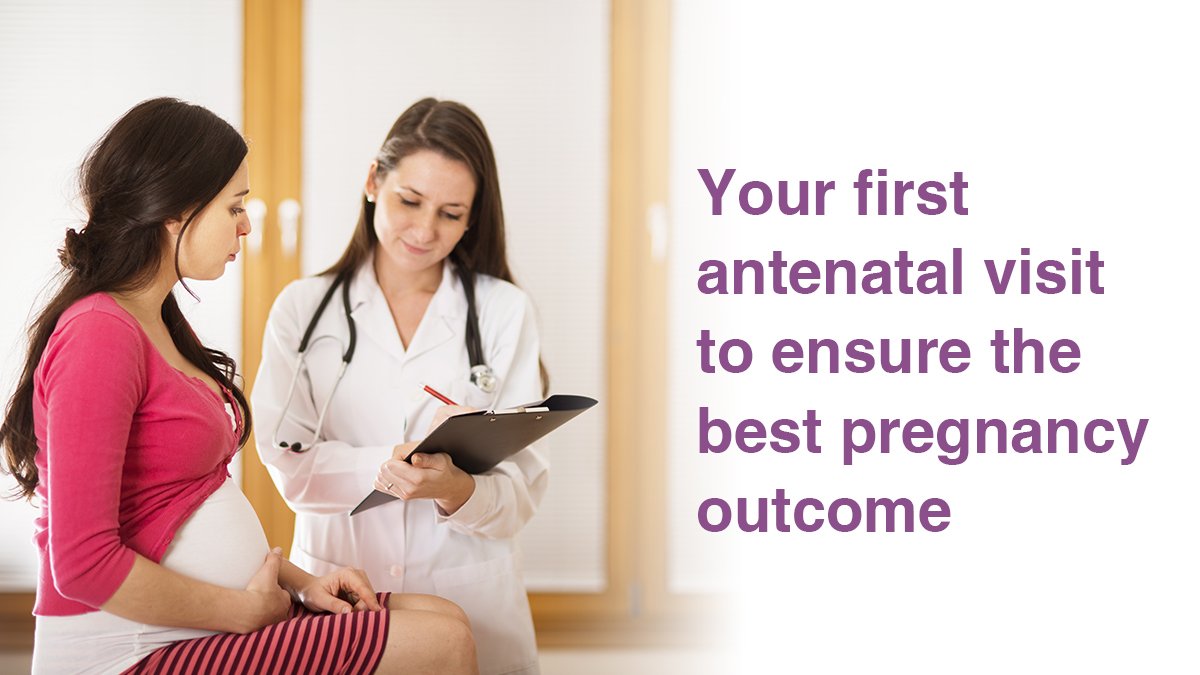
The first antenatal visit is one of the most important steps in ensuring a healthy pregnancy. Health experts recommend that pregnant women begin antenatal care as early as possible, ideally during the first trimester, to monitor both the mother’s health and the baby’s development.
Early antenatal care helps identify potential health concerns, provides important health education, and allows healthcare providers to develop a care plan throughout the pregnancy.
Confirming the Pregnancy
During the first visit, the healthcare provider will confirm the pregnancy through a urine or blood test if necessary. The estimated due date may also be calculated based on the first day of the woman’s last menstrual period or an ultrasound examination.
Medical History Review
The healthcare provider will ask questions about:

- Previous pregnancies and deliveries.
- Past miscarriages or pregnancy complications.
- Existing medical conditions such as diabetes, hypertension, or asthma.
- Current medications.
- Family medical history.
- Allergies.
- Lifestyle habits, including smoking or alcohol use.
This information helps identify any factors that may affect the pregnancy.
Physical Examination
A general physical examination may include:
- Measuring weight and height.
- Checking blood pressure.
- Assessing overall health.
- Examining the abdomen when appropriate.
- Assessing for signs of existing medical conditions.
These measurements serve as a baseline for monitoring the pregnancy.
Laboratory Tests
Several routine tests may be recommended during the first antenatal visit, including:
- Blood group and Rhesus (Rh) factor.
- Full blood count to check for anaemia.
- Blood sugar screening where appropriate.
- Urine tests to detect infection, protein, or sugar.
- Screening for infections such as HIV, hepatitis B, and syphilis, depending on national guidelines.
Additional tests may be recommended based on individual risk factors.
Ultrasound Scan
An early ultrasound may be performed to:
- Confirm the pregnancy.
- Determine the baby’s age.
- Check whether there is one baby or multiple babies.
- Confirm that the pregnancy is developing in the uterus.
The timing of the ultrasound depends on the stage of pregnancy and local clinical practice.
Nutrition and Lifestyle Advice
Healthcare providers will discuss healthy habits that support pregnancy, including:
- Eating a balanced diet.
- Taking folic acid and other prescribed prenatal supplements.
- Drinking enough water.
- Staying physically active if medically appropriate.
- Avoiding smoking, alcohol, and recreational drugs.
Women will also receive guidance on foods and medications to avoid during pregnancy.
Questions and Health Education
The first antenatal appointment is an opportunity to ask questions about pregnancy symptoms, exercise, travel, work, vaccinations, childbirth, and any concerns about the pregnancy.
Healthcare providers may also explain warning signs that require immediate medical attention.
Why Early Antenatal Care Matters
Regular antenatal visits help monitor the growth and development of the baby while allowing healthcare professionals to detect conditions such as high blood pressure, gestational diabetes, anaemia, or infections before they become serious.
Early diagnosis and treatment can improve outcomes for both mother and baby.
The Bottom Line
The first antenatal visit lays the foundation for a healthy pregnancy. Attending early and following scheduled appointments allows healthcare providers to monitor the pregnancy, identify potential risks, and provide guidance that supports the health of both mother and child.
Disclaimer: This article is for informational purposes only and should not replace professional medical advice. Pregnant women should attend antenatal care at a qualified healthcare facility and follow the advice of their healthcare provider throughout pregnancy.




