


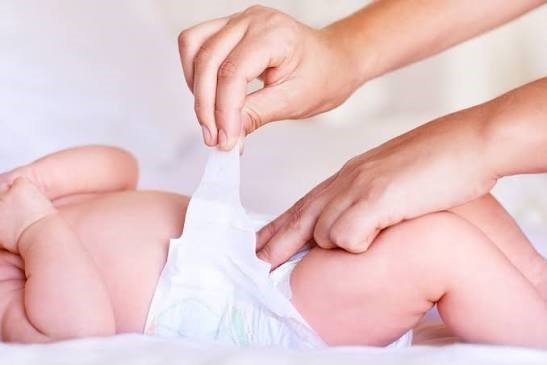
Diarrhoea is one of the leading causes of illness among babies and young children worldwide. It is characterised by frequent, loose, or watery stools and can quickly lead to dehydration, particularly in infants.
Health experts say that while many cases of diarrhoea are mild and resolve within a few days, prevention remains the best way to protect children from serious complications.
What Causes Diarrhoea?
Diarrhoea can result from several factors, including:
- Viral infections, such as rotavirus and norovirus.
- Bacterial infections from contaminated food or water.
- Parasitic infections.
- Poor hand hygiene.
- Food intolerance or allergies in some children.
- Certain medications, including antibiotics.
Young children are especially vulnerable because their immune systems are still developing.
Wash Hands Regularly
One of the simplest and most effective ways to prevent diarrhoea is proper handwashing.
Parents and caregivers should wash their hands:
- Before preparing food.
- Before feeding a child.
- After using the toilet.
- After changing diapers.
- After cleaning up vomit or diarrhoea.
Children should also be taught to wash their hands with soap and clean water as they grow older.
Practice Safe Food Preparation
Food should be prepared and stored safely to reduce the risk of contamination.
Health experts recommend:
- Washing fruits and vegetables thoroughly.
- Cooking meat, poultry, and eggs completely.
- Keeping raw and cooked foods separate.
- Refrigerating perishable foods promptly.
Use Safe Drinking Water
Contaminated water is a major cause of diarrhoeal diseases.
Families should:
- Drink clean, treated, or boiled water where necessary.
- Use safe water when preparing infant formula.
- Wash feeding bottles and utensils with clean water.
Breastfeed When Possible
Exclusive breastfeeding during the first six months of life helps protect babies against diarrhoea by providing antibodies that strengthen the immune system.
Breastfeeding should continue alongside complementary foods after six months, as recommended by healthcare providers.
Keep Vaccinations Up to Date
Vaccines, including the rotavirus vaccine where available, help reduce the risk of severe diarrhoea in infants and young children.
Parents should follow the recommended childhood immunisation schedule.
Maintain Good Hygiene
Regular cleaning of toys, feeding equipment, and frequently touched surfaces can reduce the spread of germs.
Diapers should be changed promptly, and soiled diapers should be disposed of safely.
Recognise the Signs of Dehydration
Children with diarrhoea can lose fluids rapidly.
Parents should watch for:
- Dry mouth.
- Few or no wet diapers.
- Sunken eyes.
- No tears when crying.
- Extreme thirst.
- Unusual sleepiness or irritability.
These symptoms require prompt medical attention.
When to See a Doctor
Parents should seek medical care immediately if a child:
- Has diarrhoea lasting more than a few days.
- Shows signs of dehydration.
- Has blood in the stool.
- Develops a high fever.
- Vomits repeatedly and cannot keep fluids down.
- Is younger than six months and has persistent diarrhoea.
Early treatment can help prevent serious complications.
The Bottom Line
Diarrhoea is common in babies and young children, but many cases can be prevented through good hygiene, safe food preparation, clean drinking water, breastfeeding, and routine vaccination. Parents should monitor children closely during diarrhoeal illness and seek medical care promptly if signs of dehydration or severe illness develop.
Disclaimer: This article is for informational purposes only and should not replace professional medical advice. Parents concerned about a child’s diarrhoea or dehydration should consult a qualified healthcare professional without delay.




