


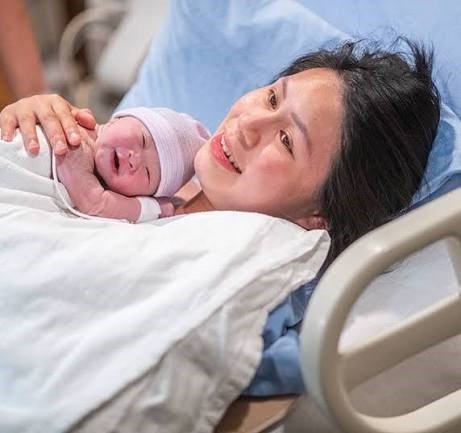
Childbirth is a major physical and emotional experience, and recovery continues long after a baby is born. Whether a woman delivers vaginally or by caesarean section, the body needs time to heal and adjust to the changes that come with the postpartum period.
Health experts say proper postpartum care is essential for preventing complications, promoting recovery, and supporting the well-being of both mother and baby.
Get Plenty of Rest
Caring for a newborn can be exhausting, making adequate rest challenging. Health experts encourage new mothers to sleep whenever possible, including when the baby is sleeping, to help the body recover.
Family members and partners can also assist with household tasks and baby care to allow the mother time to rest.

Eat a Nutritious Diet
A balanced diet rich in fruits, vegetables, whole grains, lean proteins, and healthy fats supports healing after childbirth. Women who lost blood during delivery may also need iron-rich foods or supplements if recommended by a healthcare provider.
Breastfeeding mothers should continue eating a healthy diet to support milk production.
Stay Hydrated
Drinking enough water is important, particularly for women who are breastfeeding. Proper hydration supports recovery, digestion, and breast milk production.
Care for Perineal or Surgical Wounds
Women who had a vaginal birth may experience soreness or stitches around the perineum, while those who had a caesarean section need to care for their surgical incision.
Healthcare providers may recommend:
- Keeping the area clean and dry.
- Following wound care instructions.
- Watching for signs of infection such as redness, swelling, or discharge.
- Avoiding heavy lifting until healing is complete.
Resume Physical Activity Gradually
Light walking can improve circulation and reduce the risk of blood clots after childbirth. However, strenuous exercise should only be resumed after medical clearance, especially following a caesarean section.
Attend Postnatal Check-ups
Regular postnatal appointments allow healthcare providers to assess the mother’s recovery, monitor blood pressure, evaluate healing, discuss contraception, and address breastfeeding or emotional concerns.
These visits are an important part of postpartum care and should not be skipped.
Watch for Warning Signs
New mothers should seek immediate medical attention if they experience:
- Heavy vaginal bleeding that soaks a pad within an hour.
- Fever or chills.
- Severe abdominal pain.
- Chest pain or difficulty breathing.
- Foul-smelling vaginal discharge.
- Severe headache with vision changes.
- Redness, swelling, or discharge from a surgical wound.
These symptoms may indicate serious complications requiring urgent treatment.
Care for Emotional Health
Mood changes are common after childbirth. While many women experience temporary “baby blues,” persistent sadness, anxiety, hopelessness, or difficulty bonding with the baby may indicate postpartum depression.
Seeking early support from healthcare professionals, family, or support groups can make a significant difference.
The Bottom Line
Recovering after childbirth takes time, patience, and proper care. Rest, good nutrition, hydration, wound care, postnatal check-ups, and attention to emotional well-being all play important roles in helping new mothers recover safely and care for their babies.
Disclaimer: This article is for informational purposes only and should not replace professional medical advice. Women who experience concerning symptoms after childbirth should seek prompt evaluation from a qualified healthcare professional.




