


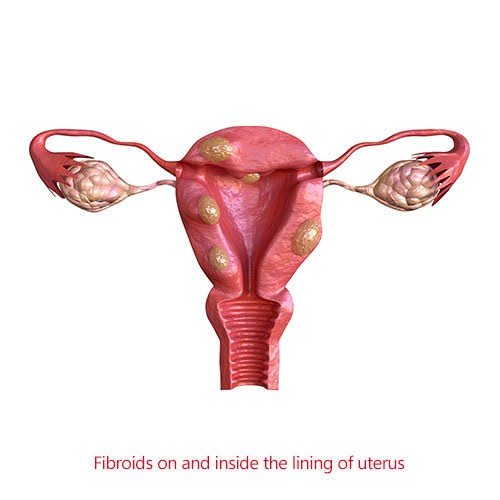
Health professionals have expressed concern over the widespread misconceptions surrounding fibroids, warning that misinformation continues to discourage many women from seeking timely medical care.
Fibroids, which are non-cancerous growths that develop in or around the uterus, are among the most common reproductive health conditions affecting women during their childbearing years. Despite their prevalence, many women still associate a fibroid diagnosis with infertility, cancer, or unavoidable surgery.
Experts say these beliefs often create unnecessary anxiety and may delay proper diagnosis and treatment.
Common Misconceptions About Fibroids
According to healthcare practitioners, one of the most persistent myths is that women with fibroids cannot become pregnant or carry a pregnancy to term.

Medical experts explain that while some fibroids can affect fertility depending on their size and location, many women with the condition conceive naturally and experience healthy pregnancies.
Another widespread misconception is that fibroids are cancerous. Specialists stress that fibroids are almost always benign and that the likelihood of them developing into cancer is extremely low.
There is also a belief that fibroids only affect older or married women. However, medical professionals note that the condition can occur in women of different ages, including younger adults, and may develop even in those with no obvious symptoms.
Factors That Increase Risk
Health experts say the exact cause of fibroids remains unclear, but research points to a combination of genetic, hormonal, and lifestyle influences.
Women with a family history of fibroids are more likely to develop the condition, suggesting that heredity plays a significant role.
Hormonal factors, particularly those involving oestrogen and progesterone, are also believed to contribute to fibroid growth.
Other factors associated with increased risk include obesity, poor dietary habits, chronic stress, and low levels of physical activity.
Medical studies have additionally shown that Black women are more likely to develop fibroids and often experience symptoms at a younger age compared to other populations.
Symptoms Can Extend Beyond Heavy Menstrual Bleeding
Although heavy or prolonged menstrual bleeding is one of the most recognised signs of fibroids, experts say the condition can manifest in several other ways.
Women may experience pelvic discomfort, lower abdominal swelling, frequent urination, constipation, lower back pain, painful sexual intercourse, and fatigue resulting from excessive blood loss.
Some women may also struggle with fertility challenges, while others may have fibroids without experiencing any symptoms.
Healthcare professionals emphasise that regular medical check-ups remain important because symptoms alone do not always reflect the severity of the condition.
Impact on Fertility and Pregnancy
The effect of fibroids on fertility varies from person to person and largely depends on where the growths are located within the uterus.
Fibroids that distort the uterine cavity may interfere with embryo implantation or increase the likelihood of pregnancy complications. In some cases, they may contribute to miscarriage or difficulty conceiving.
During pregnancy, larger fibroids can increase the risk of complications such as pelvic pain, preterm labour, abnormal fetal positioning, or the need for caesarean delivery.
However, specialists stress that many women with fibroids go on to have successful pregnancies and healthy babies.
Early Detection Improves Outcomes
Medical experts advise women not to ignore persistent menstrual abnormalities, pelvic pain, or unexplained abdominal swelling.
Fibroids are commonly detected through routine pelvic examinations and ultrasound scans, making regular gynaecological visits important for early diagnosis.
Treatment options vary depending on the woman’s age, symptoms, reproductive plans, and overall health. Management may include regular monitoring, medication to control symptoms, hormonal therapies, minimally invasive procedures, or surgery in more severe cases.
Healthy Habits May Help Reduce Risk
While fibroids cannot always be prevented, experts recommend adopting healthy lifestyle habits that may help lower the risk of developing the condition or reduce symptom severity.
Maintaining a healthy weight, eating a balanced diet rich in fruits and vegetables, exercising regularly, managing stress, and attending routine medical screenings are among the measures recommended by healthcare professionals.
Experts encourage women to seek accurate medical information and avoid making health decisions based on myths or fear.
They note that with proper diagnosis and appropriate treatment, most women with fibroids can effectively manage the condition and maintain a healthy quality of life.




