


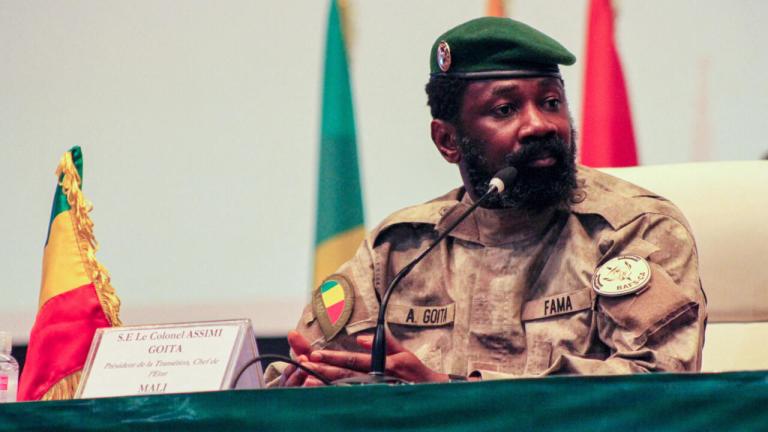
Mali has suspended all schools and universities nationwide for two weeks starting Monday due to a crippling fuel shortage caused by a militant-imposed blockade.
According to government sources, the crisis began after Jama’at Nusrat al-Islam wal-Muslimin (JNIM) an al-Qaeda-affiliated group enforced a blockade on fuel imports in early September.
The insurgents have since targeted convoys carrying petroleum products to the landlocked West African nation, severely disrupting fuel distribution and transportation.

Analysts say the blockade forms part of a broader strategy to pressure Mali’s military-led government, which seized power in 2021, by cutting off the country’s “economic oxygen.”
In the capital Bamako, several fuel stations have shut down as supplies run out.

Residents now face severe transport challenges, with many forced to walk long distances, rely on scarce motorcycle taxis, or remain at home.
The education suspension follows a weekend announcement by Russia promising to deliver between 160,000 and 200,000 metric tons of petroleum and agricultural products to Mali.
Moscow has strengthened its partnership with the junta in recent years, providing both military and economic support.
The head of the Russian delegation, Alexey Keulika, said the shipment details, including delivery timelines, would be finalized soon. He also disclosed that a Russia-backed gold refinery project is underway, with a board meeting scheduled for November to fast-track completion.
This isn’t the first time Mali’s education system has been disrupted. In 2024, authorities delayed the start of the school year following widespread flooding after heavy rains.
With the current fuel crisis adding to the country’s insecurity and economic struggles, public frustration is growing. The junta faces mounting pressure to restore normal fuel supplies, resume classes, and stabilize key sectors.