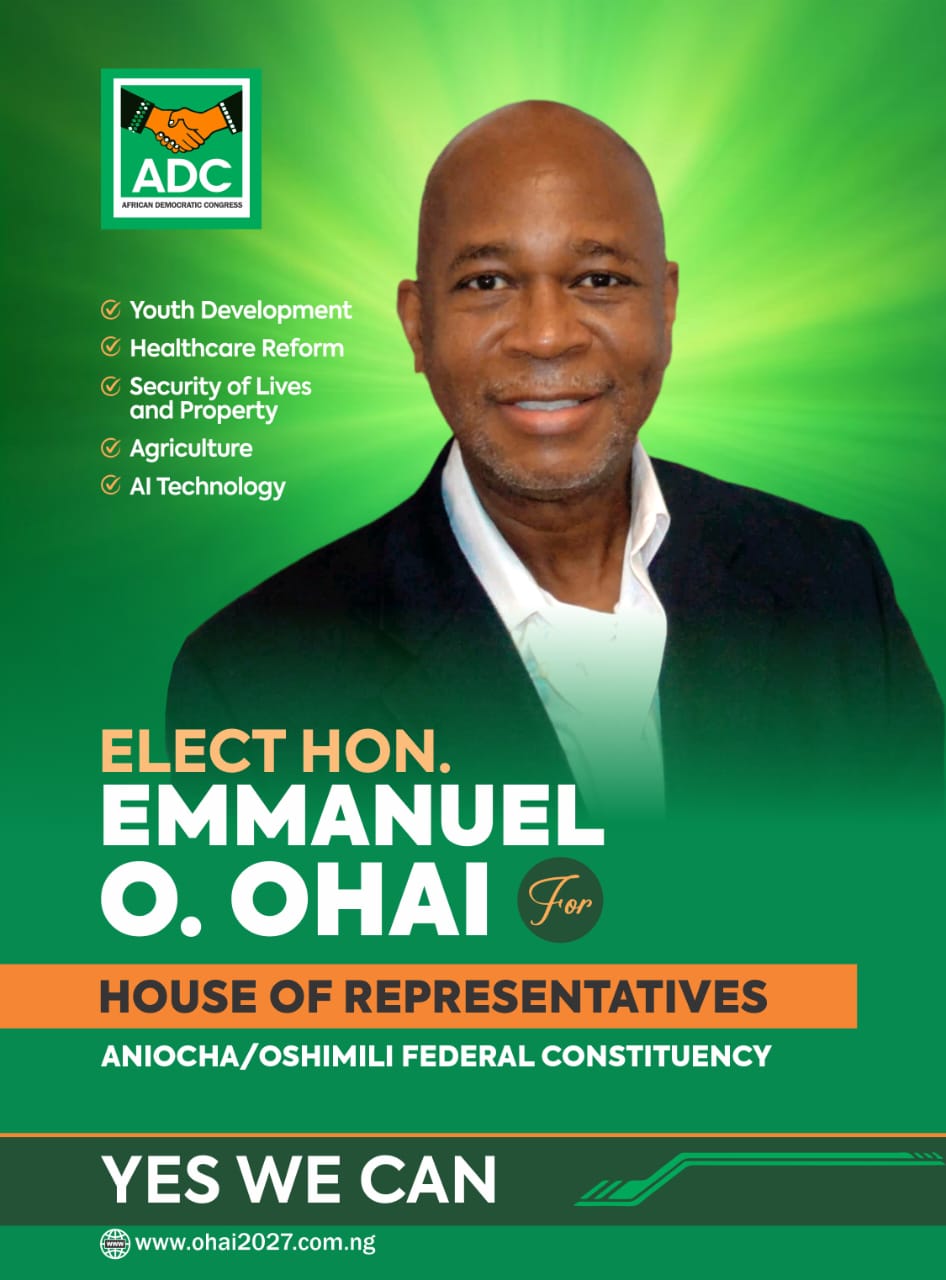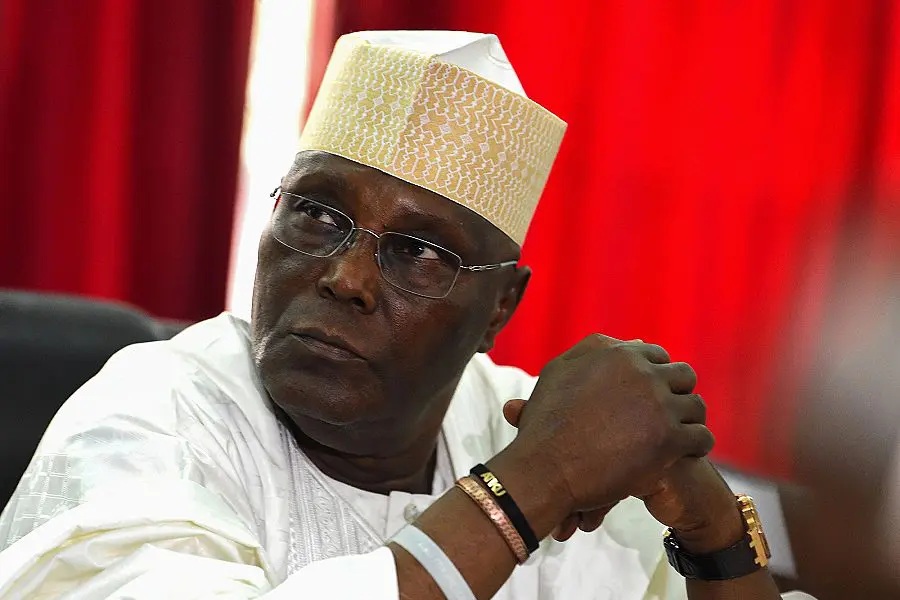
(DDM) – A fresh controversy has erupted within Nigeria’s opposition political space following claims that a son of former Vice President Atiku Abubakar has allegedly instructed his organisation to withdraw support for his father and instead align with President Bola Ahmed Tinubu.
The claim, attributed to Hon. Stephanie Onochie (Mrs), has triggered intense debate across political circles, social media platforms, and party structures, reopening questions about internal loyalty, leadership credibility, and the long-standing rivalry among Nigeria’s leading political figures.
According to the statement, Atiku’s son was said to have openly directed members of his organisation to abandon Atiku’s political ambition and work for President Tinubu, a move that, if confirmed, would represent a significant personal and symbolic blow to the former Vice President.
The development has fueled speculation that dissatisfaction with Atiku’s repeated presidential bids may now extend beyond party supporters to his immediate family, intensifying scrutiny of his leadership appeal ahead of the 2027 general elections.

Atiku Abubakar, a former Vice President from 1999 to 2007, has contested the presidency multiple times under different political parties, including the Action Congress, the Peoples Democratic Party (PDP), and most recently the PDP in the 2023 election.

Despite his long political career, business success, and national recognition, Atiku has faced persistent criticism over his inability to translate ambition into electoral victory, as well as accusations of inconsistency and weak grassroots connection in key regions.
The reported defection of support from within his family has therefore been framed by critics as evidence of declining confidence in his political relevance and capacity to lead a deeply divided nation.
Hon. Stephanie Onochie, whose statement amplified the issue, questioned why Nigerians should continue to support a politician whom even close family members allegedly consider unfit or ineffective.
Her remarks argue that leadership credibility begins at home, suggesting that internal loss of faith reflects broader national doubts about Atiku’s vision and competence.
Political analysts note that family-related political controversies often resonate strongly with voters in Nigeria, where personal loyalty, trust, and moral authority play a significant role in public perception.
The controversy also intersects with the broader political realignment already underway ahead of 2027, as President Tinubu consolidates power while opposition figures reposition themselves for relevance.
Supporters of President Tinubu have seized on the allegation as proof that the opposition remains fragmented and internally conflicted, while Atiku’s allies have either dismissed the claim as propaganda or maintained silence.
Meanwhile, the statement strongly promotes Labour Party’s 2023 presidential candidate, Peter Obi, positioning him as a credible alternative to what critics describe as recycled leadership.
Peter Obi, a former Governor of Anambra State, gained widespread youth and urban support in 2023 on the back of his message of prudence, accountability, and people-centred governance.
His supporters argue that Nigeria’s current challenges, ranging from economic hardship and insecurity to unemployment and institutional distrust, require a generational shift in leadership philosophy.
The renewed comparison between Atiku, Tinubu, and Obi underscores the unresolved political tensions left behind by the 2023 elections and highlights how personal narratives are increasingly shaping public discourse.
As Nigeria inches toward another election cycle, the alleged family rift within Atiku’s camp has added a dramatic layer to the political conversation, reinforcing the argument that credibility, unity, and public trust will be decisive factors in 2027.
Whether the claim is confirmed or denied, its impact on public perception is already evident, signaling that the battle for Nigeria’s political future has begun in earnest.